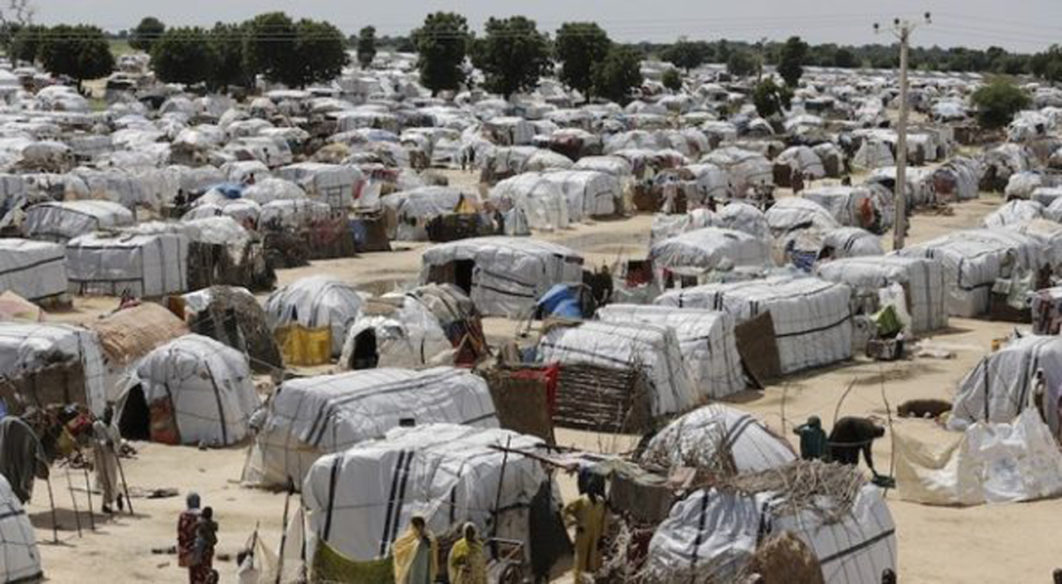
During a symposium to commemorate 70 years of the Geneva Refugee Convention in Lagos, yesterday, he identified 1.8 million of the 2.2 million as returnees.
He further stated that there were 380,000 people in North West IDP camps, 317,000 in North Central, and 67,000 refugees in South-South.
The 1951 Geneva Refugee Convention is a landmark human rights instrument and forms part of the nascent human rights framework after World War II, he added.
UN sought to formalise a minimum set of rights for men, women, and children fleeing persecution – first, the right not to be returned to the country of persecution.
The Refugee Convention, he stated, protects people who have been forced to flee their countries, or cannot return to them, owing to persecution or violence.
His words: “The convention enshrines their fundamental human right to seek protection. It aims at facilitating their integration in the country of asylum based on a number of rights, including to education, housing, work, and freedom of movement. It requires parties to protect the right of people seeking international protection, even if they cross a border irregularly or during the current pandemic.”
Human rights lawyer, Femi Falana (SAN), expressed concern about the way refugees were treated in the country, insisting that “refugees deserve better treatment.”
According to the founder, Well Being Foundation, Toyin Saraki, data is key in planning for refugees in the country, adding that there is a need for compliance and contextualised strategy to make philanthropists drive impacts in planning for refugees.