 Follow Us on Google News


 Follow Us on Google Discover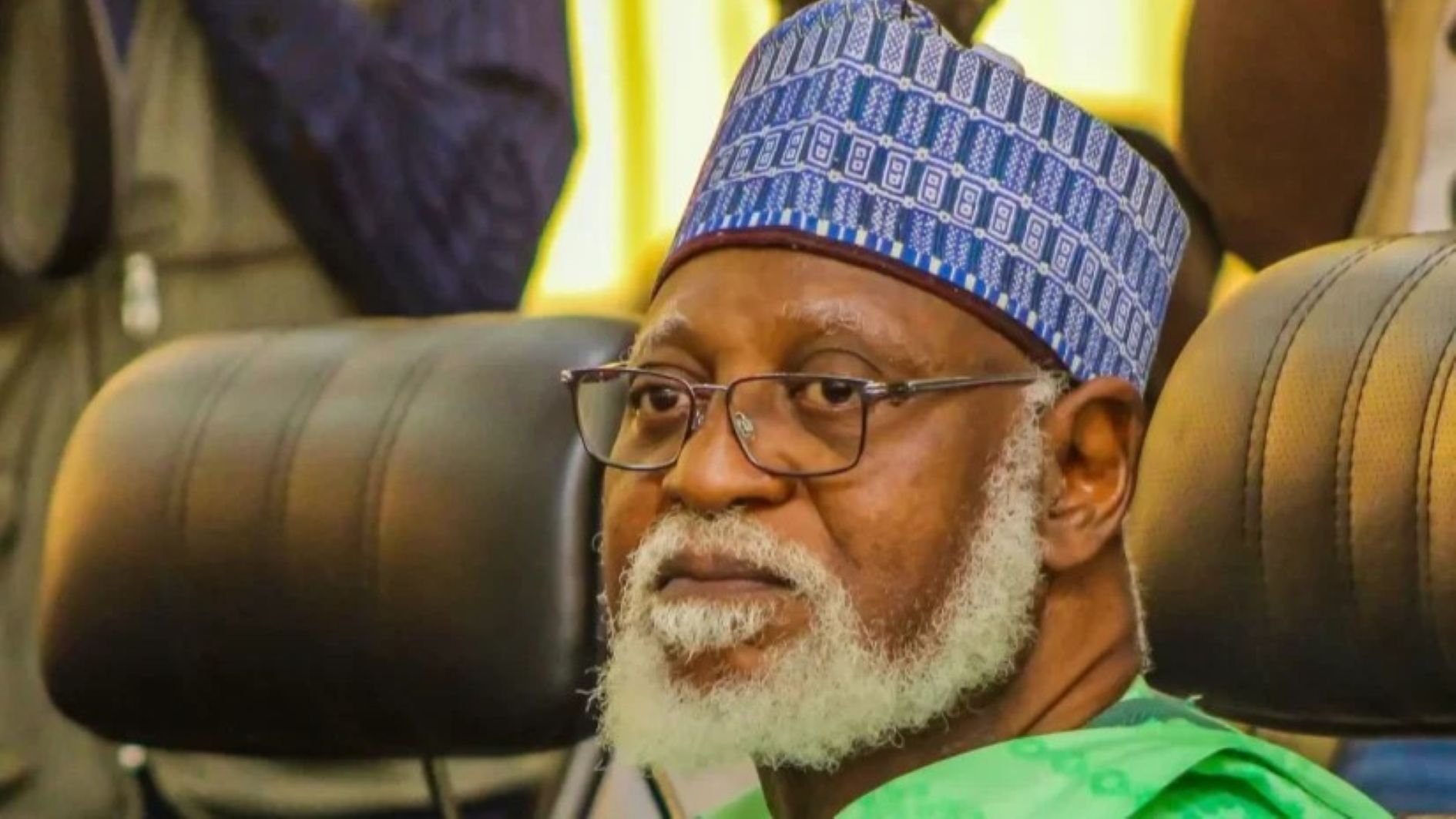
60 election-related incidents recorded already
Barely three weeks after the Independent National Electoral Commission (INEC) opened the public campaign period for the 2027 presidential and National Assembly elections, theNational Peace Committee (NPC) yesterday said it has recorded 60 election-related incidents across the country, raising concern over the conduct of political actors less than four months to the January 2027 polls.
The Rule of Law and Accountability Advocacy Centre (RULAAC) called on President Bola Tinubu, INEC, Nigeria Police Force (NPF), Department of State Services (DSS) and other security agencies to take immediate steps to prevent political violence and intimidation ahead of the 2027 general elections.
This was as Kaduna State Governor, Uba Sani, accused some politicians of instigating poor and vulnerable Nigerians to cause violence and anarchy, warning that such actions could undermine democracy and peace in the country.
The NPC, chaired by former Head of State, Gen. Abdulsalami Abubakar (rtd) and convened by Most Rev. Matthew Kukah, therefore warned Tinubu, former Vice President Atiku Abubakar, Peter Obi, and other political actors against inflammatory and inciting campaigns ahead of the 2027 general elections.
In a statement jointly signed by Abubakar and Kukah yesterday, the committee raised the alarm over 60 election-related incidents recorded across the country within one month, including political violence, intimidation, threats, attacks on political activities and misinformation.

INEC’s timetable provides for public campaigns for the presidential and National Assembly elections from September 23, 2026, with the elections scheduled for January 16, 2027.
The committee’s Election Security Information (ESI) Hub documented the incidents between August 19 and September 19, 2026, barely a month after political parties and other stakeholders signed the first National Peace Accord for the 2027 electoral cycle on August 18.
According to the NPC, misinformation and disinformation accounted for the largest share of the incidents, with 24 cases representing 40 per cent of the total.
The committee also recorded 13 incidents involving attacks and disruptions targeting political activities and assets, representing 21.7 per cent, while political intimidation and threats, including incidents involving security personnel, accounted for 10 cases (16.7 per cent), political violence and thuggery accounted for six incidents (10 per cent), while inflammatory statements made up four incidents (6.7 per cent). Restrictions on freedom of expression, intra-party conflicts and voter inducement accounted for one incident each.
The committee urged INEC to strengthen monitoring of political campaigns and enforce the Electoral Act 2026 and other regulations governing political parties.
SANI, at a Special Interfaith Dialogue with traditional rulers and Christian and Muslim religious leaders in Kaduna, yesterday, urged religious leaders to caution politicians against mobilising vulnerable people, particularly youths, to engage in violent protests and actions that could threaten peace and security.
The governor said religious leaders had a major responsibility to educate Nigerians on the need for peaceful conduct, particularly during elections.
“You have a responsibility to caution politicians because of what I’m seeing in Nigeria today. A lot of politicians are instigating the downtrodden, our children, to cause violence and anarchy, to the detriment of our democracy,” he said.
The governor said Northern Nigeria had a major responsibility to ensure that the region was not left behind or plunged into crisis during elections.
According to him, political disagreements should not be allowed to degenerate into hatred or violence, stressing that people had the right to hold different opinions.
EXECUTIVE Director of RULAAC, Okechukwu Nwanguma, said recent incidents and allegations across states were warning signs that should not be ignored until election day.
The organisation cited reports of inflammatory political rhetoric, disruption of opposition meetings, restrictions on the movement of political actors, alleged discriminatory interference with campaign materials and threats of physical violence against political opponents.
It stressed, however, that the allegations were not identical and should be independently investigated.
“Election security begins before election day,” RULAAC said, warning that credible elections could not be secured merely by deploying security personnel to polling units after months of threats, intimidation and political violence.
The organisation urged President Tinubu to publicly reaffirm the neutrality of state institutions and make it clear that no governor, minister, local council chairman, party official, candidate or political supporter would be shielded from investigation or prosecution where credible evidence of electoral offences exists.
It also called on the police and other security agencies to identify emerging political violence hotspots, investigate credible threats, trace illegal weapons and dismantle groups allegedly being mobilised to intimidate political opponents.
RULAAC maintained that individuals who threaten, organise, finance or perpetrate political violence should not be protected by political affiliation.
“Peace accords are important. But peace accords cannot substitute for law enforcement,” RULAAC said.

