
 Get Guardian on Google
No fewer than 47,000 women and girls were killed by intimate partners or family members in 2025, translating to an average of 129 deaths daily, with Africa recording the highest rate of such killings globally, a new United Nations report has revealed.
The 2026 Femicide Brief, published by the United Nations Office on Drugs and Crime (UNODC) and UN Women to mark the International Day for the Elimination of Violence against Women, disclosed that the home remained the most dangerous place for women and girls, with little change in the pattern over the years.
The report stated that 60 per cent of the 78,000 women and girls intentionally killed globally in 2025 were murdered by intimate partners or family members, representing an average of five deaths every hour.
Africa recorded the highest rate of intimate partner and family-related femicide, with 2.9 victims per 100,000 female population.
The Americas followed with 1.4 victims per 100,000 female population, while Oceania recorded 1.1, Asia 0.6 and Europe 0.5.
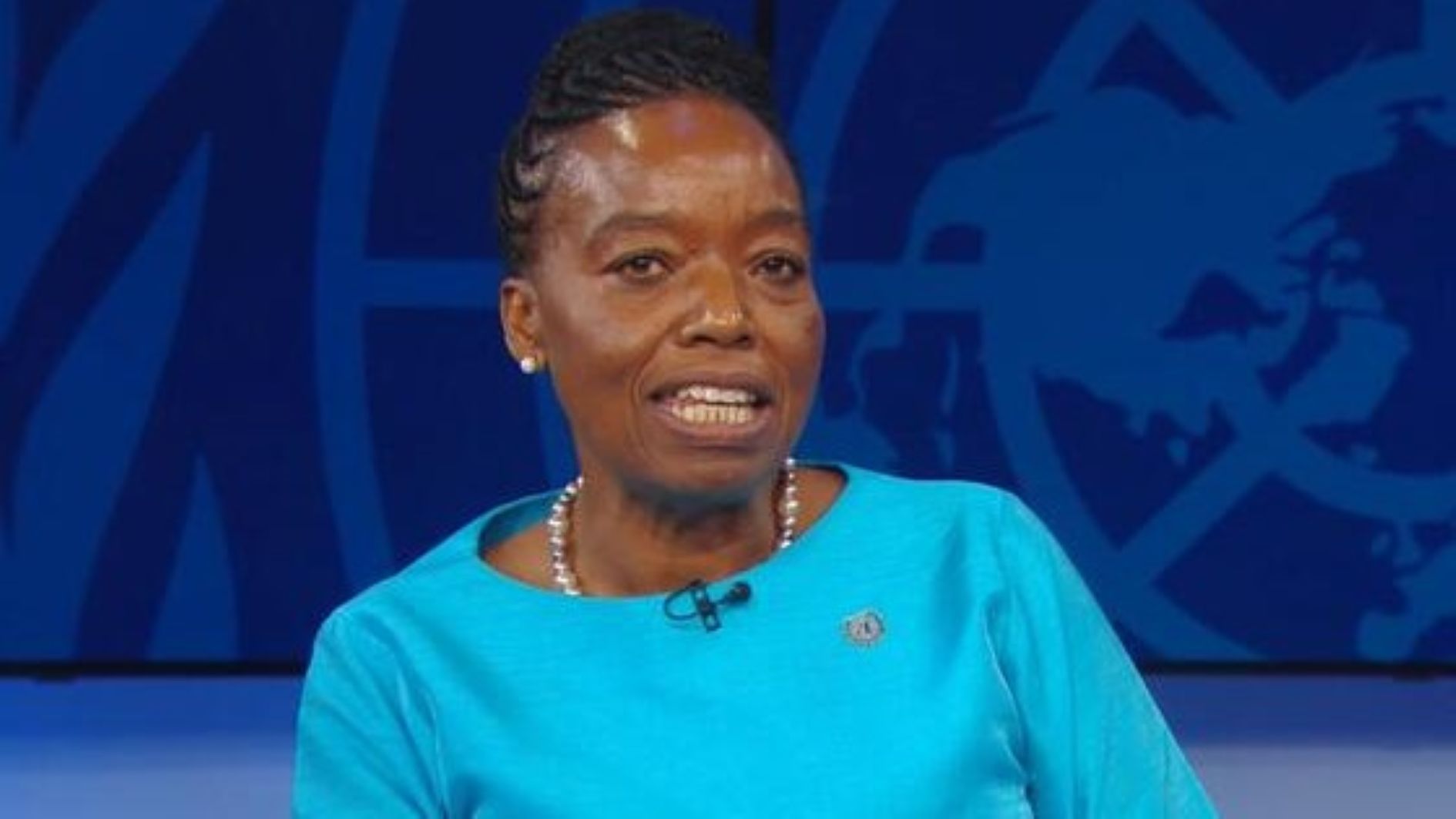
Executive Director of UNODC, Monica Juma, attributed the persistent killings to harmful social attitudes, societal norms and failures of institutional safeguards, which she said had created an environment where violence against women was tolerated.
“For far too long, we have seen alarming statistics. Frightening attitudes, social norms, and the failure of institutional safeguards create an environment in which killing a wife, daughter, mother, or sister becomes ‘tolerable’,” she said.
Juma called for sustained action across all levels of society, including prevention strategies to change harmful attitudes and specialised interventions to address perpetrators of domestic violence.
She also stressed the need for increased investment in programmes to protect women, uphold their human rights and preserve their dignity.
The report noted that femicide was rarely an isolated incident, explaining that many killings represented the culmination of prolonged patterns of violence, threats and abuse that could have been prevented.
It added that most women experiencing physical or sexual violence never seek help from family members, their communities or relevant authorities, partly because of significant barriers to reporting and accessing support.
Consequently, many victims remain without adequate protection, while perpetrators evade justice.
Executive Director of UN Women, Sima Bahous, said women must be able to report violence safely, access protection and receive support before situations escalate into fatal incidents.
She warned that failure to investigate reported cases, recognise warning signs and protect victims could have deadly consequences.
“When warning signs go unreported, cases are not properly investigated, women and girls are not protected and perpetrators are not brought to justice, the consequences can be fatal,” Bahous said.
She described every missed opportunity to protect women and girls as a failure of justice and the fundamental responsibility of the law to safeguard lives.
Bahous urged authorities to ensure that no warning sign was ignored, no survivor was left without protection and no perpetrator escaped accountability.
The report further observed that although homicide rates had declined globally, femicide rates had fallen at a slower pace.
Between 2010 and 2025, homicide rates declined almost twice as fast as femicide rates in the Americas and approximately 1.5 times as fast in Europe.
Meanwhile, UN Women and UNODC have called on governments, the private sector, the United Nations system, the media, women’s organisations and survivors to strengthen collective efforts to end violence against women and girls.
The call forms part of this year’s 16 Days of Activism campaign, scheduled to run from November 25 to December 10, under the theme, “UNiTE to End Violence Against Women and Girls: Ensure Justice, Protect Survivors, End Impunity.”
The campaign seeks to promote justice for survivors, victims and their relatives, while ensuring that perpetrators of violence are held accountable.