 Follow Us on Google News


 Follow Us on Google Discover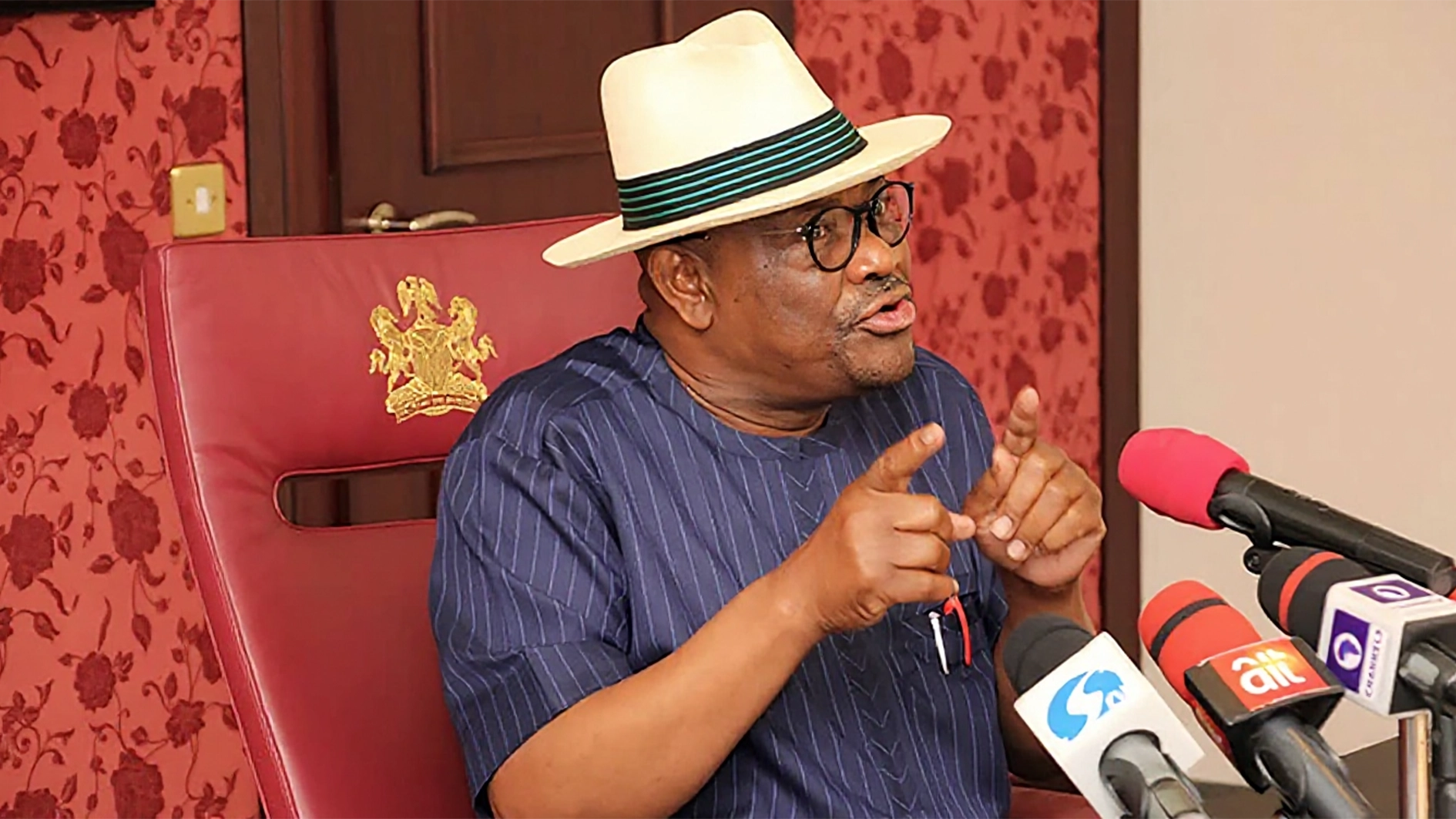
As Abuja marks its 50th anniversary on Tuesday, the Minister of the Federal Capital Territory (FCT), Nyesom Wike, has hailed what he described as a “transformed landscape” of the nation’s capital, attributing the progress to an aggressive infrastructure drive under President Bola Ahmed Tinubu’s administration.
Wike spoke after an extensive inspection tour of major road and bridge projects across the FCT, undertaken as part of activities marking the Golden Jubilee of Nigeria’s purpose-built capital.
According to the minister, the milestone provides not only an opportunity for celebration but also a moment to reflect on how far Abuja has evolved in line with its founding vision.
The inspection tour commenced in Gishiri, where Wike examined sections of an ongoing road network project. He disclosed that the project is expected to be inaugurated in the second or third year of the current administration.
From there, the minister proceeded to the Outer Southern Expressway (OSEX) and the Ring Road I corridor to assess progress on critical bridge construction, before concluding the tour at the Apo–Wassa road project. The road, he said, is a strategic corridor designed to ease movement for Apo traders and surrounding communities.
Speaking to journalists at the–Wassa site, Wike expressed satisfaction with the quality and pace of work, noting that several of the projects were nearing completion.
“I am quite impressed by this initiative. We are handling three major jobs here,” he said. “These projects are expected to be completed by August, while work in the OSEX area will be delivered as part of the third-year anniversary of this administration.”

Placing the projects within the context of Abuja’s 50-year journey, Wike stressed that the ongoing construction drive was not merely tied to the Golden Jubilee celebrations.
“Over the past three years, and this is not just about the Golden Jubilee, the President’s tenure has changed the landscape of the FCT,” he said. “What we are doing is deliberate and intentional, and all the projects strictly adhere to the Abuja Master Plan.”
He noted that adherence to the Master Plan remains critical to preserving Abuja’s identity as a planned city, especially amid rising population growth and commercial expansion.
The inspection, he said, reflects the administration’s effort to align Abuja’s golden anniversary with visible, legacy-defining projects that reinforce the ideals behind the city’s designation as Nigeria’s capital in 1976.
Wike also addressed concerns arising from the recent industrial action by the Joint Unions Action Committee (JUAC), dismissing claims that the strike had undermined the FCT administration at such a symbolic time.
“At the end of the day, there is no winner or loser; this is about the interests of the FCT and its continued progress,” he said.
He explained that engagement with union leaders, including visits to project sites, helped dispel misconceptions about stagnation, adding that conditions were now favourable for workers to resume duties.
As Abuja clocks 50, Wike said the anniversary should serve both as a reminder of the city’s founding ideals and a springboard for renewed commitment to infrastructure development, urban planning, and service delivery.
“For us, this Golden Jubilee is not just about looking back,” he said. “It is about ensuring that Abuja at 50 is better positioned for the next 50 years.”

