 Follow Us on Google News


 Follow Us on Google Discover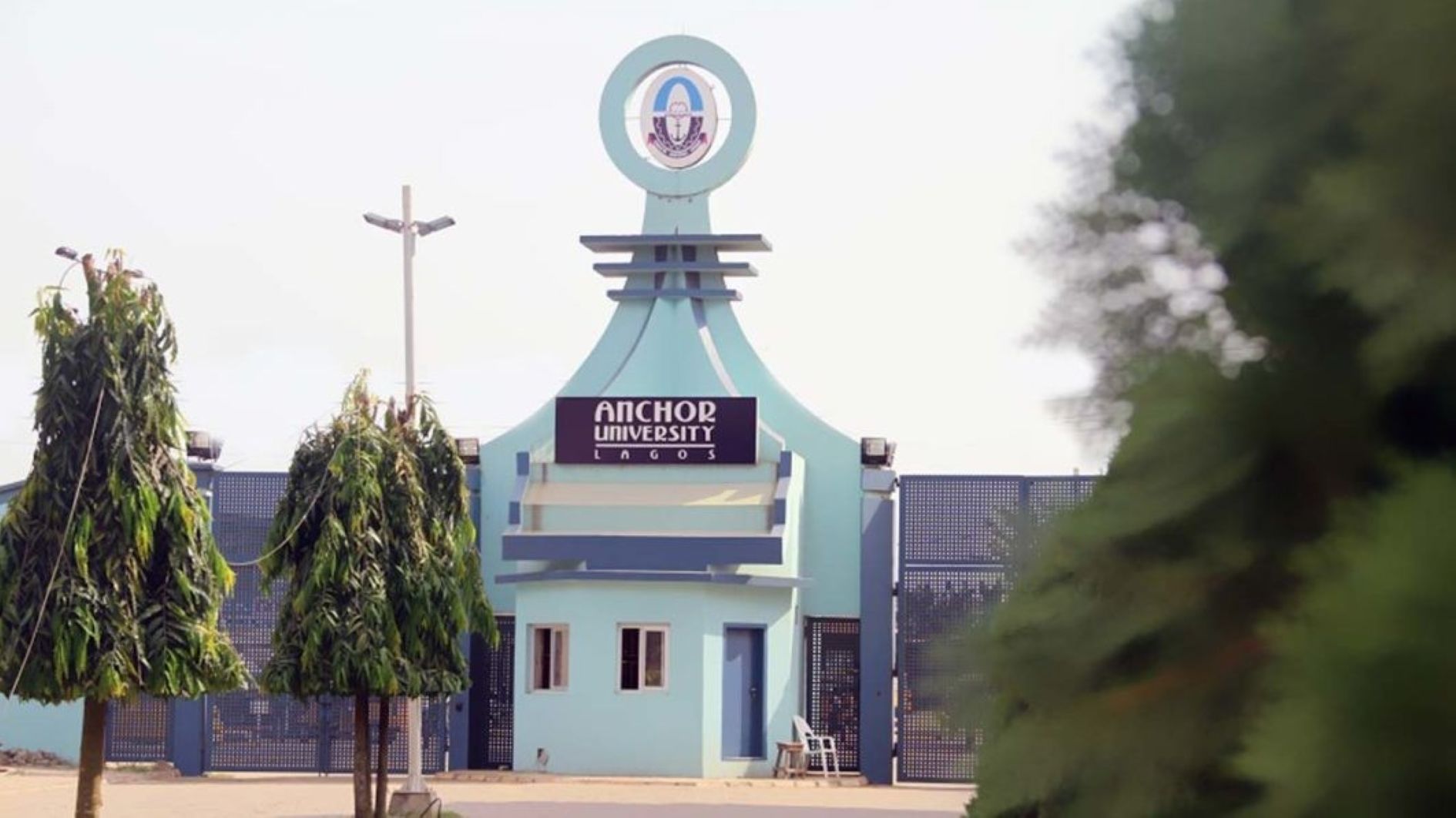
Anchor University in Lagos has urged political and economic elite in Nigeria to demonstrate greater commitment towards the development and sustainability of the country’s infrastructure to accelerate economic and industrial growth.
Vice-Chancellor of the institution, Prof. Samuel Bandele, appealed at a one-day lecture and interaction seminar organised by the university’s Faculty of Science in collaboration with the University of Applied Sciences-HTW, Dresden, Germany.
The seminar, held at the Nursing Seminar Hall, Anchor University, Ayobo, Lagos, is themed “Comparing Between The Nigerian and German Electrical Grid: Lessons and Challenges to the Nigerian University System.”
Bandele, who was represented by the Vice-Chancellor, Development, Prof. Tokunbo Ayoola, said the programme was organised under the university’s international linkages initiative aimed at strengthening partnerships with universities in Nigeria, Africa and other parts of the world.
He said Anchor University was collaborating with institutions in Germany and the United States (U.S.) to broaden its academic knowledge base and benefit from the experiences of developed countries in infrastructure development.
According to him, such collaborations would contribute to improving Nigeria’s electricity sector and other critical areas of infrastructure.

Bandele identified poor maintenance, mismanagement and corruption as some of the factors responsible for the deterioration of infrastructure in the country.
He noted that some infrastructure currently being used in Nigeria dated back to the colonial era, stressing that successive administrations had failed to adequately maintain and upgrade them.
In his lecture, Prof. Ralf-Dieter Rogler of the University of Applied Sciences-HTW, Dresden, who led the team of experts from Germany to Nigeria, said Nigeria needed increased investment to improve its electricity supply and support industrialisation.
Rogler said the country should develop a diversified energy mix, comprising gas, turbines, hydro, solar and wind, noting that existing investments were inadequate for Nigeria’s industrial potential.
He, therefore, called for the installation and proper maintenance of more electricity cables and transformers, adding that Nigeria’s large population and position as one of Africa’s leading countries provided significant opportunities for growth.

