 Follow Us on Google News


 Follow Us on Google Discover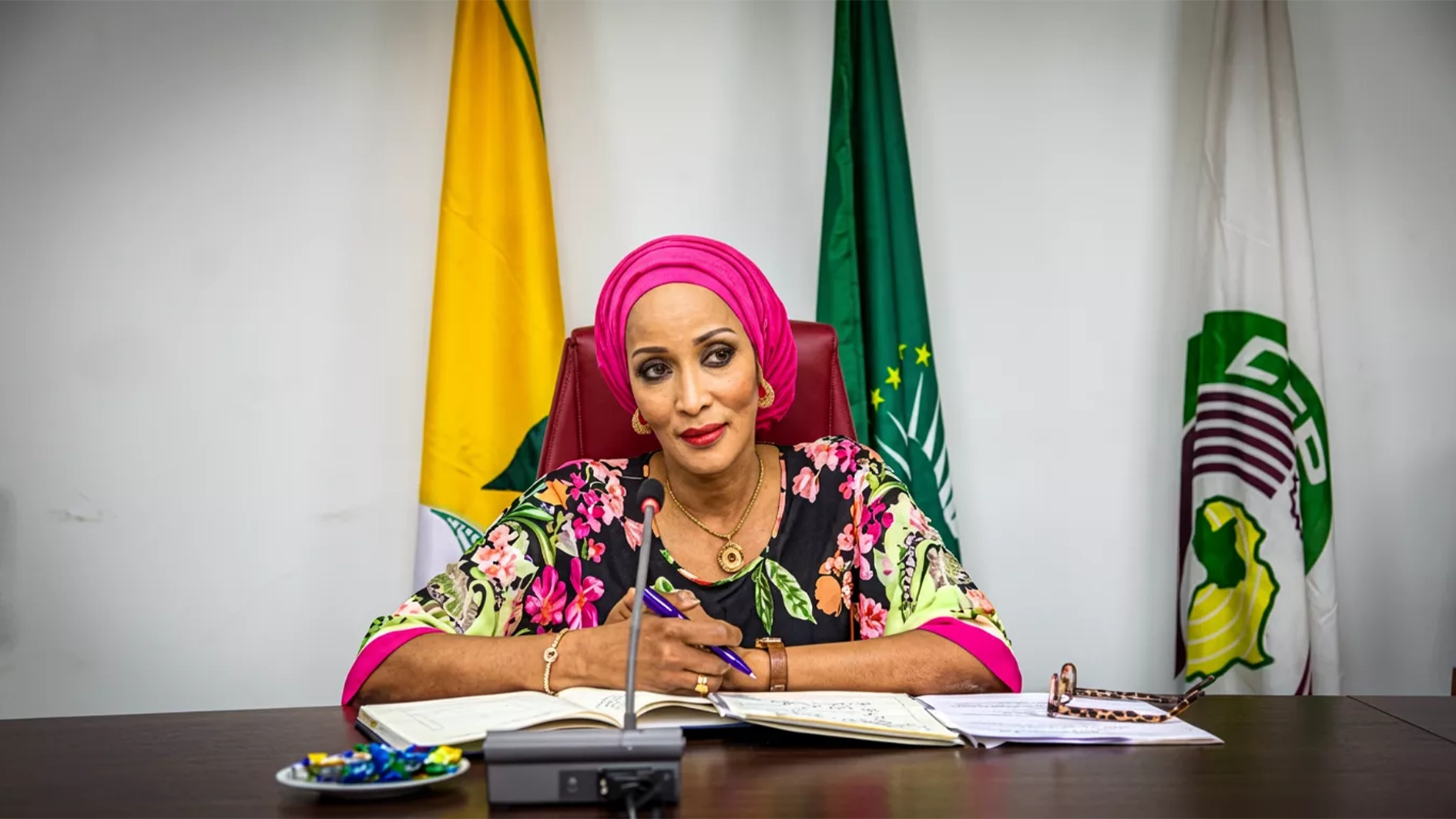
Partnership validates Tinubu’s economic reforms, says Shettima
Nigeria has formally deepened its integration into the global energy community, signing a Joint Work Programme with the International Energy Agency (IEA) to strengthen energy data, policy development and investment across the country’s energy value chain.
With the development, IEA chief, Fatih Birol, said Nigeria could double investment in its energy sector within five years.
The agreement, signed in Abuja, yesterday, is expected to provide Nigeria with greater access to IEA’s technical expertise, data, policy advice and global energy networks, with a focus on driving economic growth, attracting investment and strengthening energy security.
The signing also marks a significant milestone in Nigeria’s formal admission as an Association Country of the IEA, a move Vice President Kashim Shettima described as a validation of the policy direction and economic reforms of President Bola Tinubu’s administration.
Speaking on behalf of the President at the ceremony, Shettima said Nigeria’s entry into the Paris-based energy organisation reflected the country’s growing strategic importance in the global energy landscape and international confidence in its commitment to energy cooperation.

He said the partnership would enable Nigeria to leverage IEA’s institutional knowledge, intellectual resources and technical expertise to maximise its vast energy potential.
“Nigeria’s admission as an Association Country with the IEA is a significant milestone for our country, and it reflects Nigeria’s strategic importance in the global energy landscape and the confidence that IEA has placed in our commitment to constructive international energy cooperation,” Shettima said.
According to him, the development also provides further justification for the administration’s policy choices and its determination to reposition the economy by unlocking the value of the country’s abundant energy resources.
The VP said Nigeria’s substantial renewable and conventional energy resources, if properly harnessed, could play a critical role in accelerating economic transformation and improving citizens’ welfare.
He commended the IEA for its contribution to the global energy conversation, particularly its efforts to help countries navigate the complex challenges of energy security, affordability, sustainability and economic development.
Shettima assured the IEA delegation that Nigeria remained committed to working with international partners and other stakeholders to contribute meaningfully to the global debate on a fair and just energy transition.
Birol said Nigeria’s admission followed extensive consultations and considerations by the organisation’s governing board.
She explained that the IEA brings together governments and experts across virtually every major area of the energy sector, including oil and gas, solar energy, nuclear power, electric vehicles and emerging technologies such as artificial intelligence.
Minister of State for Petroleum Resources (Gas), Ekperikpe Ekpo, said Nigeria’s admission to the IEA reflected the performance of the Tinubu administration and the reforms it had undertaken to reposition the economy.
He said the Joint Work Programme would facilitate closer technical cooperation between Nigerian institutions and the IEA, particularly in developing reliable energy data to guide policy formulation and investment decisions across the value chain.
Ekpo said the partnership would ultimately contribute to Nigeria’s economic growth and strengthen national energy security.
Minister of State for Foreign Affairs, Amb. Sola Enikanolaiye, described the partnership as strategically important to Nigeria, noting that the Nigerian Mission in Paris played a key role in facilitating the process.
He said the Ministry of Foreign Affairs, under the leadership of Bianca Odumegwu-Ojukwu, would continue to provide the necessary diplomatic coordination to ensure that Nigeria derives maximum benefits from the partnership.
Also speaking, the Director-General of the Energy Commission of Nigeria, Dr Mustapha Abdullahi, said the Commission had maintained a longstanding working relationship with the IEA, including the organisation’s joint sponsorship of Nigeria’s last National Energy Master Plan.
He noted, however, that the relationship had previously lacked a formal institutional framework.
Abdullahi expressed optimism that Nigeria’s new status within the IEA and the Joint Work Programme would provide a stronger platform for sustained technical cooperation and deepen collaboration between the Energy Commission and the agency.
Birol said Nigeria’s new status as an associate member of the Paris-based energy watchdog would help draw investment, strengthen technical cooperation and provide Africa’s largest oil producer with a stronger voice in global energy policy discussions.
“My goal is, in a very short period of time, in five years, at least doubling the energy investments Nigeria is receiving today,” Birol said.
Nigeria needs substantial capital to develop opportunities across oil, gas and renewable energy, particularly solar power, according to Birol.
She said Nigeria’s resource base, combined with changing global energy trade patterns, could help attract capital from governments and private investors looking for reliable energy partners.
“Nations are seeking partners they can ‘trust’ after supply disruptions from the wars in Iran and Ukraine,” Birol noted.

