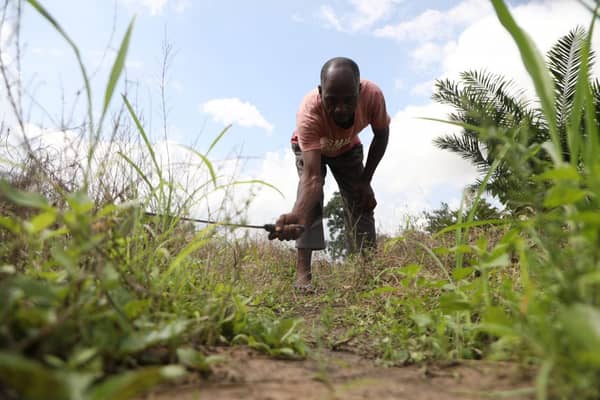

Chairman of the All Farmers Association of Nigeria (AFAN), Benue chapter, Saaku Aondongu has lamented the absence of rains in most parts of the state at the height of the cropping season.
He told The Guardian yesterday in Makurdi: “The situation is very worrisome,” advising farmers to go for drought-resistant species that could withstand long spells of rain scarcity.
It was learnt that there have been no rains from the latter part of July through this month in most parts of the state. The most affected are Benue North East and North West senatorial districts.
The situation is a bit better in the Benue South parts of the state, bordering the eastern region.
Tyokase Zungwede, a farmer in Gboko, one of the most affected local council areas, told The Guardian that most of his rice and soya beans, which had already sprouted, have withered.
A cross-section of planters fear that except for the rains, which normally terminate in late October and extend well into November, there would be poor harvest.
The farmers said crops like yams, which needed average rainfalls, had been badly affected, same with vegetables whose peak season is August.
Another farmer, Aondongu Iorliam, said only cassava was not so affected, admitting, however, that the drought would negatively affect harvests and worsen the high cost of food.