 Follow Us on Google News
 Follow Us on Google Discover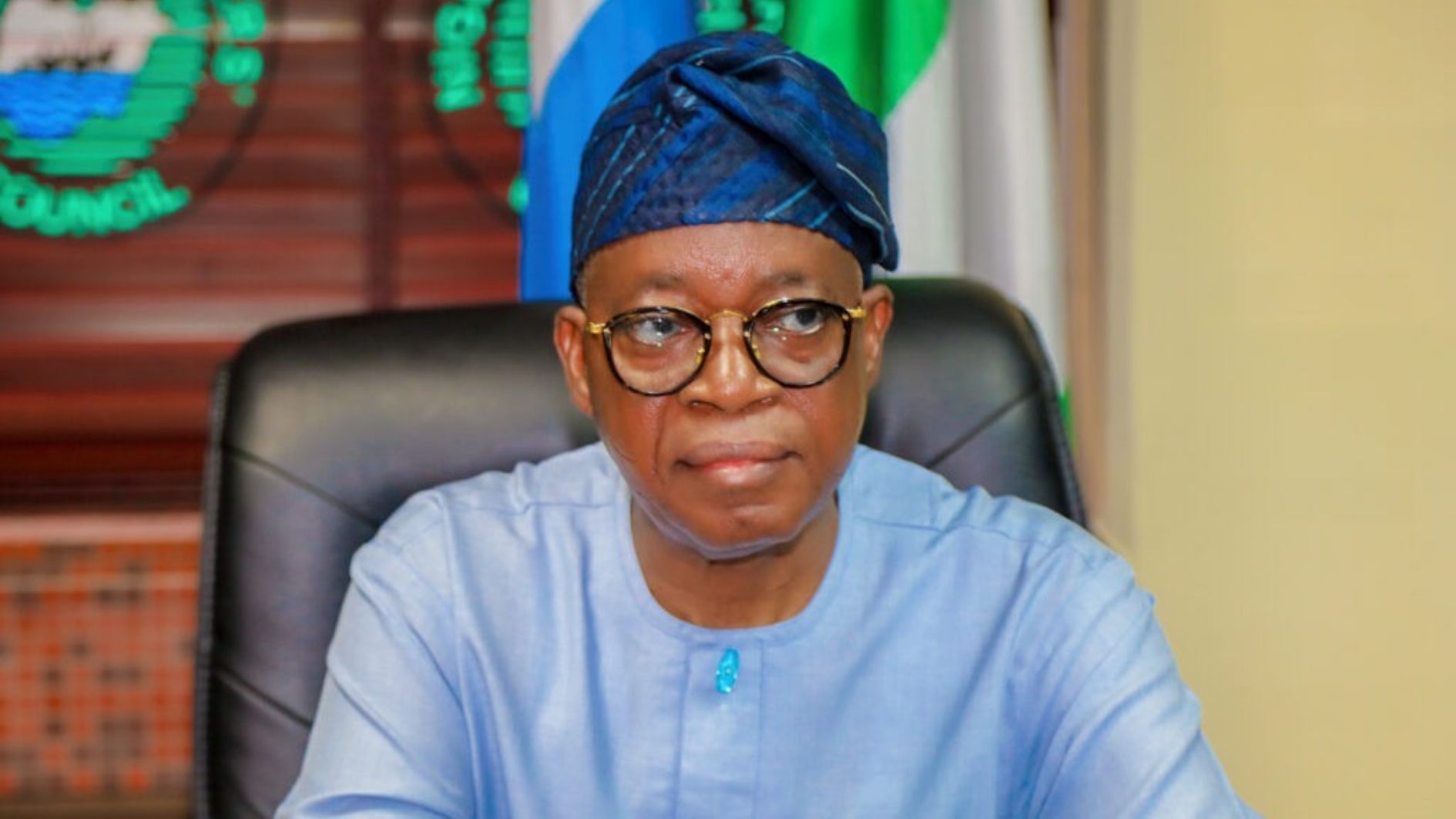
Apapa Port records six per cent export volume growth in H1, 2026
Minister of Marine and Blue Economy, Adegboyega Oyetola, has said that Nigeria’s maritime sector is undergoing far-reaching transformation, as agencies under the ministry generated N1.83 trillion in revenue in 2025.
Oyetola disclosed this while presenting the ministry’s three-year scorecard, outlining the reforms and interventions implemented since President Bola Ahmed Tinubu established the Federal Ministry of Marine and Blue Economy in August 2023.
He, however, attributed the growth to regulatory reforms, stronger revenue assurance, digitisation and measures to close financial leakages.
RELATEDLY, APM Terminals has recorded a six per cent increase in export volumes at Apapa Port in the first half of 2026, attributing the growth to the presence of the dedicated export lanes and rail connectivity to the Lagos Port Complex (LPC).
The major export commodities include soybeans, cashew nuts, cocoa, hibiscus flowers and solid minerals.

In a statement made available to journalists yesterday, Managing Director of APM Terminals in Apapa, Kamal Alhraishat, attributed the growth to the resilience of Nigerian exporters, supported by a series of operational and service improvements designed to facilitate export trade.
According to the minister, the reforms have produced gains across revenue generation, port infrastructure, maritime security, regulation, indigenous shipping, human-capital development, fisheries and inland-waterway safety.
Besides, he said the government was leveraging Nigeria’s 853-kilometre coastline and extensive inland waterways to position the marine and blue economy as a major driver of revenue, trade, investment, security and job creation.
Oyetola identified the approval of Nigeria’s first National Policy on Marine and Blue Economy in May 2025 as one of the major milestones of the administration’s reform programme.
He said the policy established a unified framework for shipping, fisheries, offshore energy, marine biotechnology and other emerging opportunities, replacing the fragmented approach that had previously characterised the management of Nigeria’s maritime resources.
Oyetola said the ministry had introduced measures to eliminate unauthorised shipping charges and strengthen freight and foreign-exchange verification in an effort to reduce leakages and curb capital flight, saying that the objective was to create a maritime business environment where legitimate operators could compete on a level playing field and businesses protected from avoidable costs.
The minister said the achievements of the past three years represented the foundation for a much larger economic opportunity.
Alhraishat said that over the past five years, the terminal had made targeted improvements to facilitate export trade, simplify cargo flows and improve access to international markets.
He said the rail connection between Lagos and Moniya (Ibadan), which operates three times a week, provides exporters with an efficient alternative to road transportation.
He said the terminal also receives export cargo through the Ebute-Metta rail corridor, which facilitates cargo movement from various parts of Lagos, helping exporters to avoid traffic congestion and reduce transit times to the port.
Head of Commercial, Kayode Olufemi-Daniel, while speaking on the significance of the Exporters Forum, said the initiative aligns with the Federal Government’s drive to build an export-led economy.

