 Follow Us on Google News


 Follow Us on Google Discover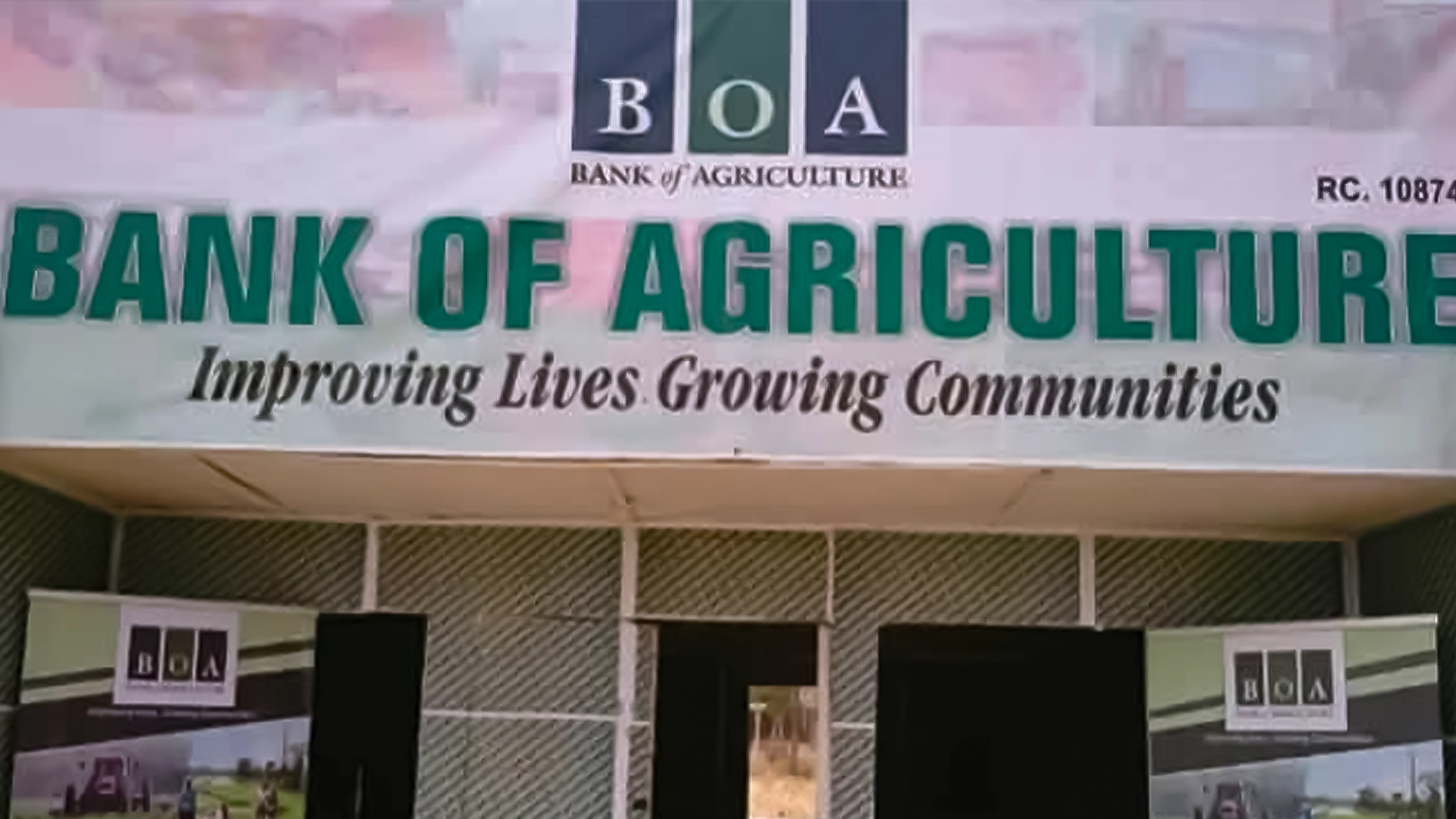
The Bank of Agriculture (BOA), in partnership with Dalahill Law Practice, has commenced the development of climate financing framework aimed at catalysing clean energy solutions across Nigeria’s agricultural value chains.
Speaking at a Clean Energy Financing Capacity Building Workshop in Abuja on Wednesday, BOA’s Executive Director of Operations, Mr. Tosin Salami, said the bank was operationalising its Clean Energy Development and Innovation Unit (CEDIU) to expand climate-smart energy solutions for farmers and reduce post-harvest losses.
Salami said the initiative would focus on developing bankable project concepts capable of attracting financing from multilateral institutions and private climate funds to address energy poverty and key challenges in the agricultural sector.
According to him, the funds will support infrastructures such as including cold chain facilities, irrigation systems and mechanisation equipment electric bikes that move harvests from farms to markets.
Also speaking, Head of BOA’s Clean Energy Delivery and Innovation Unit and Project Lead for the Clean Energy Implementation Programme, Dr. Adnan Aminu, said the unit was being funded through a grant from the Africa Climate Foundation (ACF) to Dalahlls LP which is implementing the project within the bank.
He said the programme, now in its fifth month, aims to strengthen the bank’s capacity to finance clean energy projects and improve farmers’ access to electricity and climate-smart technologies.

Aminu disclosed that the project would produce a Clean Energy Accessibility Framework to guide BOA’s financing priorities, risk assessment toolkits for evaluating clean energy investments and lending models that encourage financing for farmer clusters and cooperatives.
He explained that the risk assessment tools would help the bank evaluate projects such as solar-powered irrigation systems and cold storage facilities to ensure investments align with agricultural needs.
Aminu noted that Nigeria’s climate finance requirement exceeds $2 trillion, although specific estimates for clean energy financing in agriculture are still being compiled.
The BOA official identified post-harvest losses as a major challenge, particularly in the tomato and onion value chains, where more than half of production is lost due to inadequate storage facilities.
He said large-scale cold rooms located in farming communities could significantly reduce losses and boost farmers’ incomes.
Aminu also cited a recent Sustainable Energy for All study which found that electrification could increase agricultural profitability by more than 123 per cent.
The ACF-funded project is expected to end in July, after which BOA will begin implementing the framework and related financing programmes nationwide.

