
 Get Guardian on Google
Managing Director and Chief Executive Officer (CEO) of the Bank of Industry (BoI), Dr Olasupo Olusi, has called for stronger industry-relevant financing, improved infrastructure and coordinated policy interventions to drive productivity, create jobs and strengthen businesses in Lagos State.
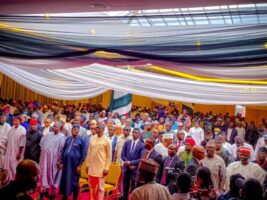
He gave the charge yesterday, during the fourth edition of the Lagos Economic Roundtable, themed “Development Pathways, Emerging Risks and Strategic Policy Priorities,” where stakeholders examined the state’s economic outlook and development priorities ahead of 2027.
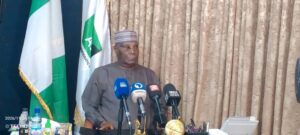
Olusi, who was represented by the General Manager, BoI MD/CEO’s Office, Dr Isa Omagu, said that Lagos State must move beyond measuring economic progress by the size of its economy and the volume of public spending to assessing improvements in business productivity, household welfare, infrastructure reliability, and employment.
According to him, economic activity alone does not adequately reflect development unless businesses and residents experience improvements in their daily lives.
Olusi stressed that the central question for Lagos was not simply whether its economy was expanding but whether it was becoming more productive, resilient and capable of delivering wider economic benefits.
He noted that improvements in electricity supply, transportation, access to finance, and institutional coordination were critical to reducing the cost of doing business and encouraging private-sector investment.

The BoI CEO identified power, mobility and financing constraints, alongside delays in regulatory approvals and weak institutional coordination, as factors that continued to undermine business productivity.
He, therefore, urged the Lagos State government to prioritise investments that reduce operating costs, strengthen local supply chains and connect businesses to markets.
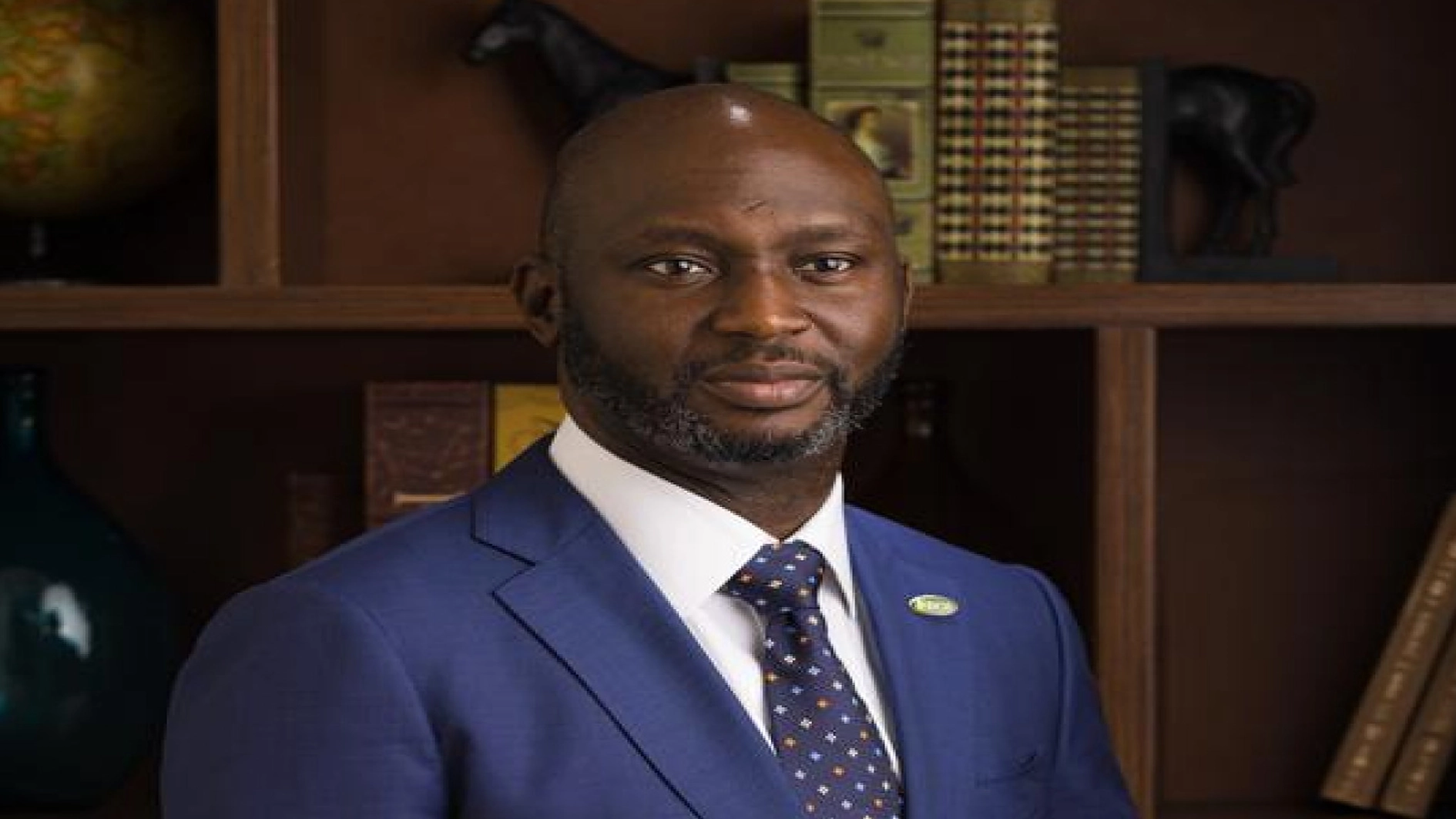
In his keynote address, Lagos State Commissioner for Economic Planning and Budget, Ope George, said the state must strengthen its economic competitiveness through strategic investments, institutional reforms and effective resource mobilisation.
George said the 2027 economic outlook presented an opportunity for the state to consolidate its achievements, address structural challenges and strengthen its position as a competitive and resilient economy.
He noted that improved tax administration, digitalisation, credible budgeting and effective project monitoring would help maximise available resources and deliver greater development impact.
The commissioner said economic growth must create decent jobs for residents, particularly young people and women, through vocational training, industry-relevant skills, entrepreneurship support and improved employability, adding that food security must remain a critical priority amid rising food costs and supply chain disruptions.