 Follow Us on Google News



 Follow Us on Google Discover
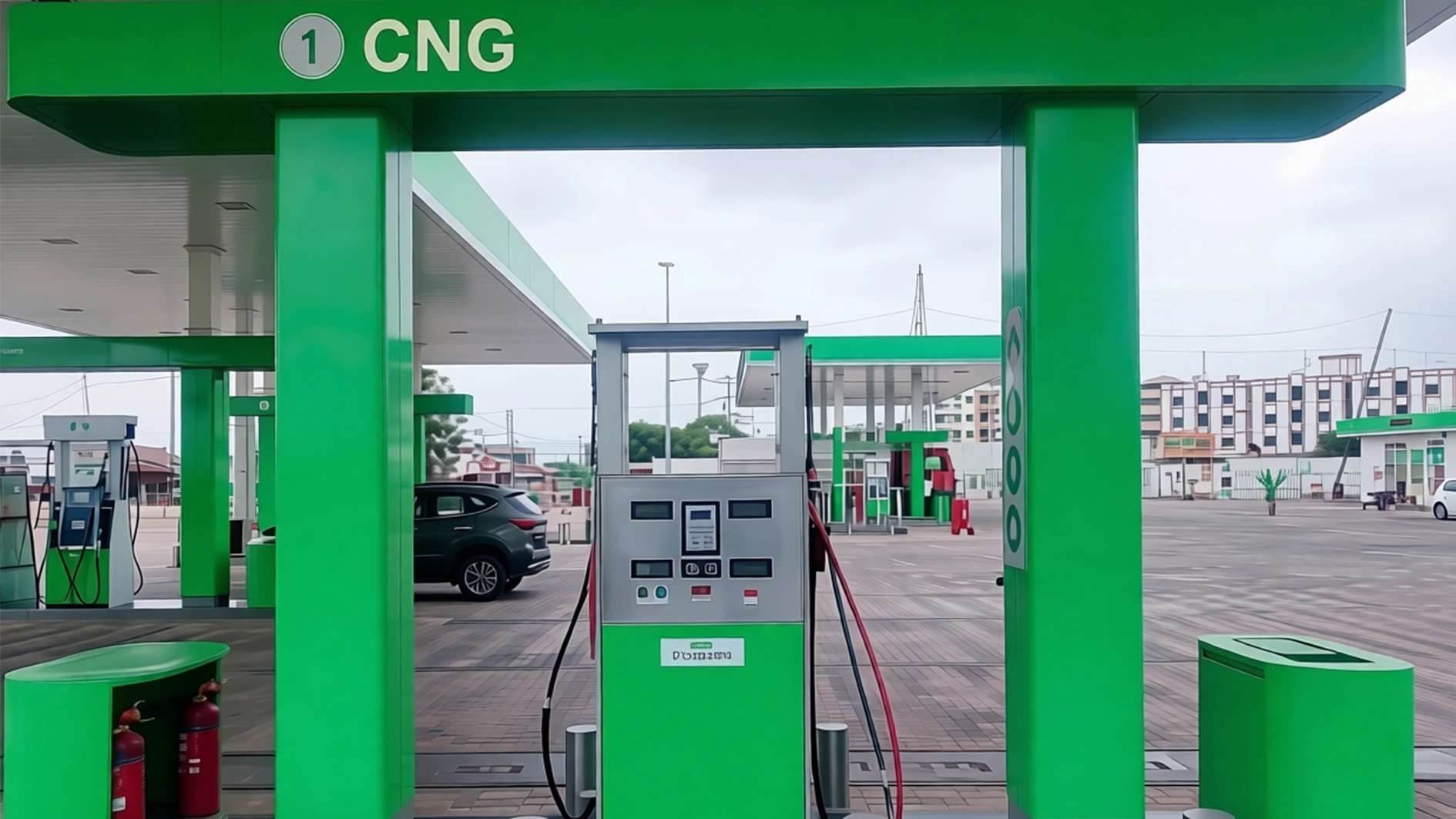
The Federal Government’s push for cheaper transportation is beginning to yield results in some parts of Nigeria, with commuters enjoying fare reductions of up to 50 per cent on selected routes served by compressed natural gas (CNG) and electric-powered vehicles.
However, the benefits remain uneven, as passengers in several states continue to pay high fares amid limited vehicle deployment, inadequate refuelling facilities and delays in implementing the government’s transport plan.
The Presidential Initiative on Compressed Natural Gas and Electric Vehicles said it was working with state governments, transport unions and commercial operators to ensure that savings from cheaper fuel translate into lower fares for commuters.
The initiative also plans to introduce stickers displaying approved routes and fares on buses deployed under its programme, allowing passengers to know how much they should pay and helping to discourage overcharging.
According to the initiative’s Head of Brand and Communications, Onyekachi Eke, CNG-converted commercial vehicles operating on selected Abuja routes through a partnership with the National Union of Road Transport Workers have introduced fare reductions of about 40 per cent.
The reductions are also being recorded in states using alternative-energy vehicles to provide public transportation.

In Adamawa State, fares on some routes have reportedly dropped from N8,000 to N4,000, while in Abia, government-supported electric buses are operating with fares subsidised by 50 per cent.
In Enugu State, the fare on the Enugu-Nsukka route has fallen from N2,500 to N1,500 following the deployment of CNG buses, while government-supported transport services in Borno have also reduced the cost of commuting on selected routes.
Despite these developments, the initiative acknowledged that not all commuters have benefited from the reductions, as the programme continues to expand to more states and transport corridors.
President Bola Tinubu had directed state governments to work with transport unions and commercial operators to reduce fares from October 1, following an agreement reached with the 36 state governors.
The government is banking on CNG and electric vehicles to reduce transport costs following the removal of the petrol subsidy, which increased operating expenses for commercial transport operators.
The initiative has attracted more than $2.5bn in private-sector investment across the CNG value chain, including refuelling infrastructure, vehicle conversion centres and assembly facilities.
The government has also expanded efforts to increase the number of CNG-powered vehicles and refuelling stations nationwide.
Nevertheless, the pace of implementation varies across the country. In some states, plans to introduce CNG buses remain at the preparatory stage, while commuters continue to face rising transport costs.
In areas where alternative-energy vehicles have been deployed, the extent of fare reductions depends on the routes covered, the availability of buses and the arrangements between governments and private operators.
The Federal Government is therefore working with state authorities and transport stakeholders to expand the programme and ensure that lower operating costs translate into affordable fares for a wider number of Nigerians.

