 Follow Us on Google News
 Follow Us on Google Discover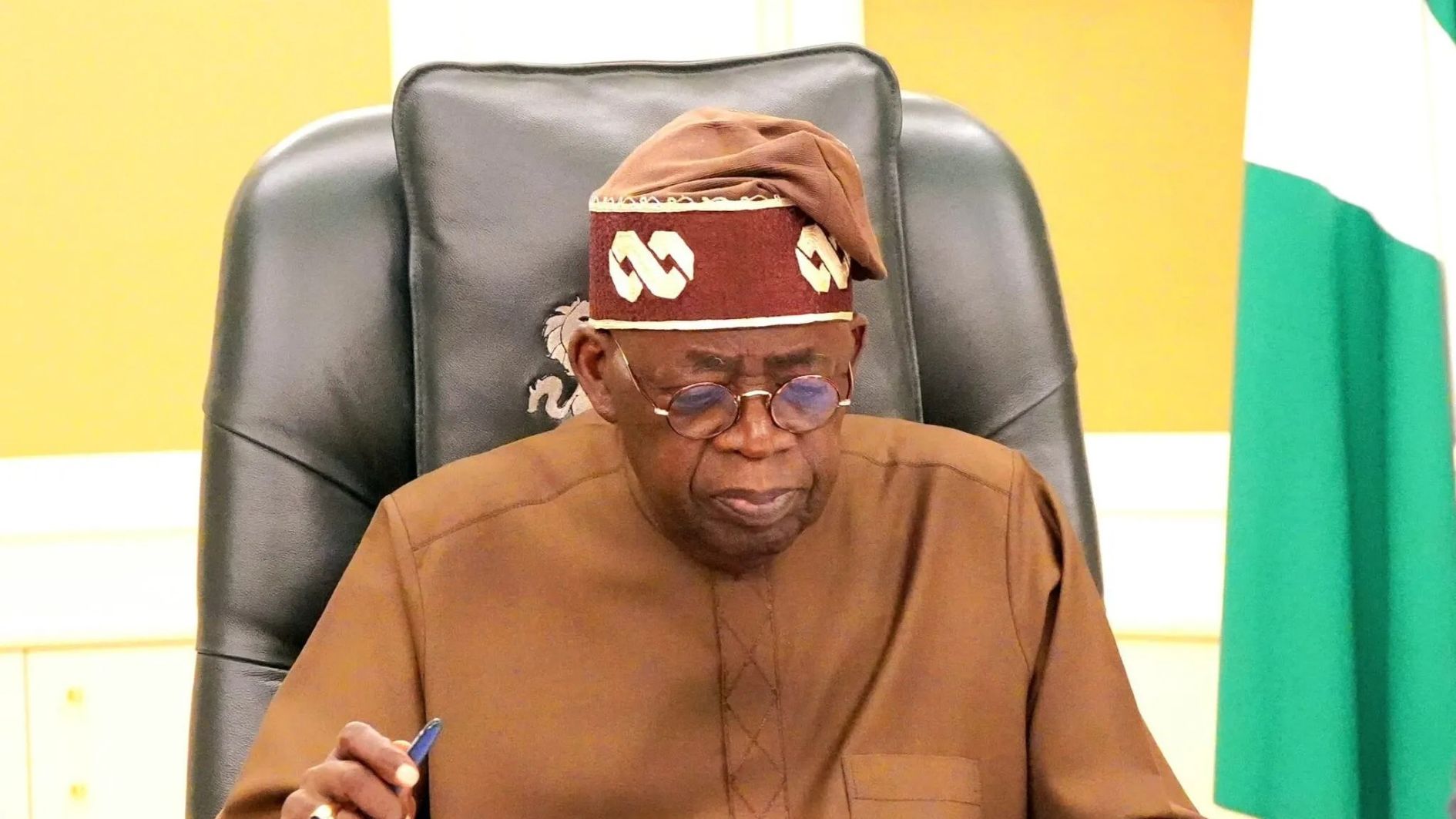
An entrepreneur and Chief Executive Officer of Datina Designs, Dr. Atinuke Smith, has urged President Bola Ahmed Tinubu to prioritise empathy, accountability and wider consultation in the formulation and implementation of government policies and empowerment programmes.
Smith, who spoke on the Nigerian and Oyo State business environment, said government initiatives would have greater impact if policymakers engaged directly with citizens and business stakeholders to understand their needs before designing programmes.
According to her, the government should establish stronger channels of engagement with communities, small and medium-sized enterprises (SMEs) and other stakeholders to ensure that policies and interventions reflect prevailing realities.
“At times, some of the things they are doing don’t really get to the people that need them. Is there accountability to ask if they put out a certain amount of money to be used for a project, can it be traced?” she asked.
Smith urged the government to organise town hall and community meetings where citizens could articulate their needs, stressing that data gathered from such engagements should guide policy formulation and implementation.
She said, “Empathy needs to be put in place, understanding what the people need. Go to the root and find out what the problem is so that they can now create an initiative that matches up with what the people’s needs are.”

The Datina Designs CEO also called for greater government engagement with SMEs, describing them as critical contributors to employment and economic activity.
She said the business climate in Oyo State had improved considerably over the past three decades, although more needed to be done to create an environment conducive to sustainable enterprise.
“The Oyo State business climate is not bad. It is better because when I started 30 years ago, it was not like this. Now, after 30 years, we have younger ones coming up with new ideas for business in all industries,” she said.
Smith, however, urged the state government to engage more closely with SMEs and business owners when developing policies that affect their operations.
“We are the ones employing people and paying salaries. We need to be encouraged, and I think the government should engage us more. They should look at what will favour us and benefit us more,” she said.
She also urged entrepreneurs to continually improve their knowledge and remain abreast of developments in the economy, government policies and trends within their industries.
According to her, business owners who operate without paying attention to changes around them risk being caught unprepared by economic and policy developments.
She urged entrepreneurs to identify market leaders, monitor industry trends and understand how changes in government policies could affect their businesses, noting that knowledge was critical to sound decision-making.
Smith also urged business owners to avoid working in isolation, urging them to build networks and collaborate with other entrepreneurs to exchange information, knowledge and opportunities.
She said stronger business ecosystems would enable entrepreneurs to learn from one another, adapt to changing circumstances and contribute to a healthier business environment.
Smith, who has operated Datina Designs for 30 years, said the fashion company was focused on promoting African culture through contemporary clothing made from indigenous fabrics such as Aso Oke and Adire.
She said the company had transformed traditional African fabrics into contemporary outfits, including jackets and trousers, making them more accessible to local and international consumers.
According to her, the approach was helping to preserve Nigeria’s cultural heritage while making African fashion more attractive to global markets.
“We are able to use the old to make the new. We are able to transport from the old way of styling Aso Oke to fit in the world we are in now and make it acceptable globally,” she said.
Smith added that Datina Designs’ broader objective was to tell the story of Africa through fashion and promote indigenous fabrics among Africans in the diaspora and international consumers.

