
 Get Guardian on Google
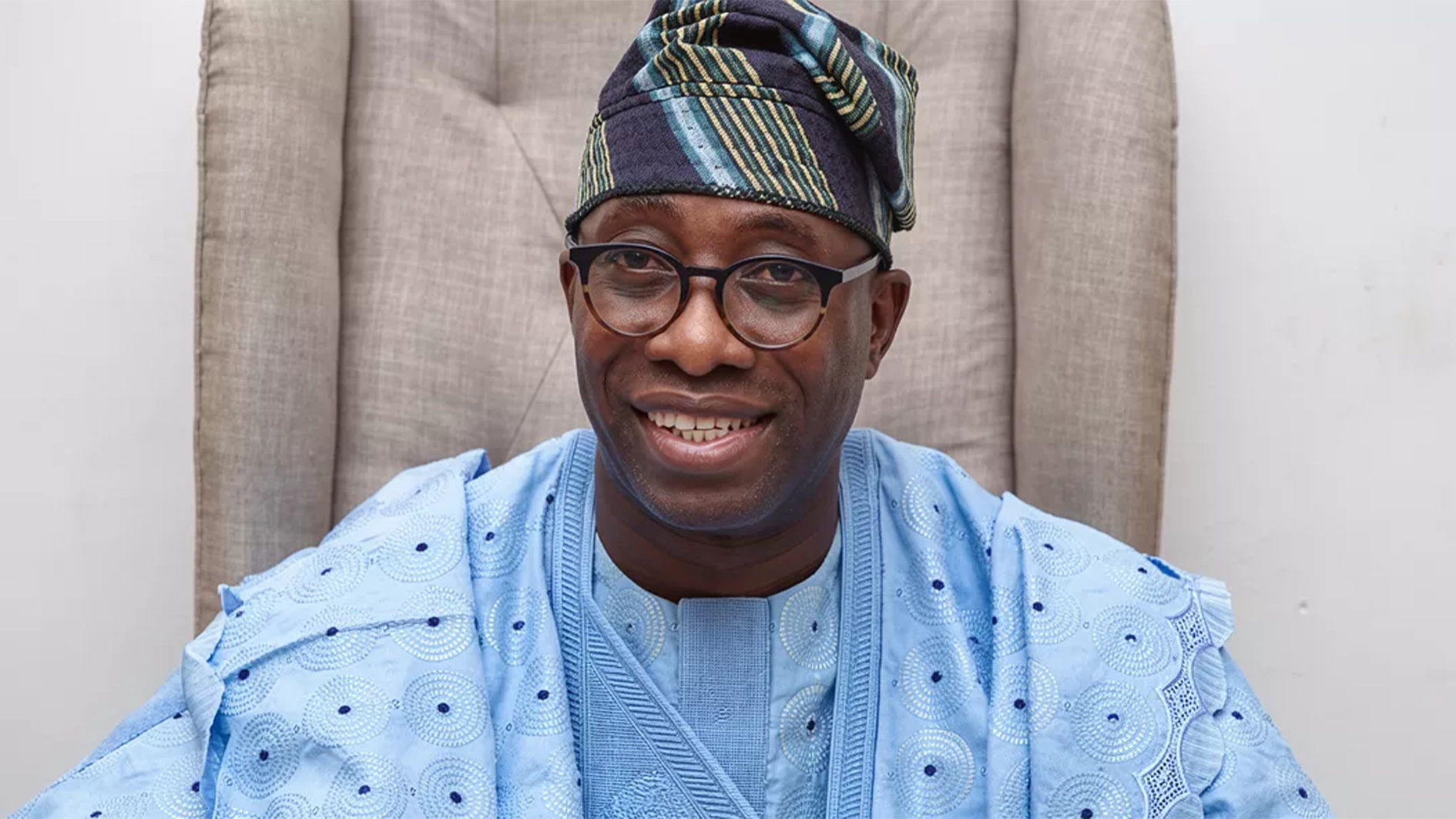
The… Convener of The Alternative Movement, Otunba Segun Showunmi, has urged the National Security Adviser (NSA), Mallam Nuhu Ribadu, to establish clear boundaries for political conduct and ensure that individuals whose actions threaten national security are held accountable, irrespective of their political status.
Showunmi, made this known in an open letter addressed to Ribadu, expressing concern over what he described as the growing toxicity of political conduct, reckless political communication and provocative statements by politicians, their supporters and other influential individuals.
He warned that such conduct could undermine national stability, particularly at a time when Nigeria was grappling with multiple security challenges.
According to him, political competition, personal ambition and partisan disagreements should not be allowed to constitute additional threats to the country’s peace and stability.
He stressed the need to distinguish between legitimate political engagement and actions capable of inciting violence, promoting ethnic or religious hostility and undermining public order.
Showunmi, who described the situation as troubling, said some politicians and influential individuals appeared to believe that their political positions and connections gave them the freedom to make inflammatory statements, mobilise supporters irresponsibly and escape the consequences of their actions.
He maintained that the right to participate in democratic politics did not confer the licence to endanger the country or threaten the safety of citizens.
The political figure therefore called on the NSA to work with relevant security and law-enforcement agencies to establish and publicly communicate clear guidelines for political conduct, especially as the country approaches an increasingly competitive political period.
He proposed six measures, including the establishment of clear national standards for political communication, impartial enforcement of the law, a coordinated mechanism for responding to political misinformation and incitement, and greater accountability for political parties and their leadership.
Others, according to him, include early intervention by security agencies against credible threats to public safety and ensuring that individuals found culpable of unlawful conduct are held accountable regardless of their political positions or influence.
He also urged political parties to take responsibility for the conduct of their members, spokespersons and supporters, stressing that they should not benefit from democratic participation while distancing themselves from actions capable of threatening public order.
Showunmi, however, clarified that his appeal was not intended to suppress legitimate opposition, silence critical voices or criminalise political disagreements.
He noted that dissent, criticism, protests and competing political ideas remained essential components of democratic governance but insisted that such freedoms must not be exploited to threaten national security.
He said any intervention by security agencies must be guided by established legal standards, credible evidence, due process and respect for fundamental human rights.
According to him, the responsibility for safeguarding Nigeria’s security should not be left exclusively to military personnel, police officers, intelligence operatives and other security agencies, as political actors also have a duty to preserve the country’s peace and stability.
He urged Ribadu to send a clear message that no individual should enjoy immunity from lawful investigation and prosecution on account of political position, financial influence, personal relationships or proximity to government.
Showunmi warned against waiting for political excesses to degenerate into violence before taking action, adding that timely intervention remained necessary to prevent avoidable security crises.
He said Nigeria’s peace, stability and security must take precedence over individual political ambitions.
The letter was copied to President Bola Tinubu; the Minister of Defence, General Christopher Musa (retd.); the Special Adviser to the President on Homeland Security, Major General Adeyinka Famadewa (retd.); the Inspector-General of Police, Olatunji Disu; the Director-General of the Department of State Services, Oluwatosin Ajayi; and the Minister of State for Defence, Bello Matawalle.