 Follow Us on Google News



 Follow Us on Google Discover
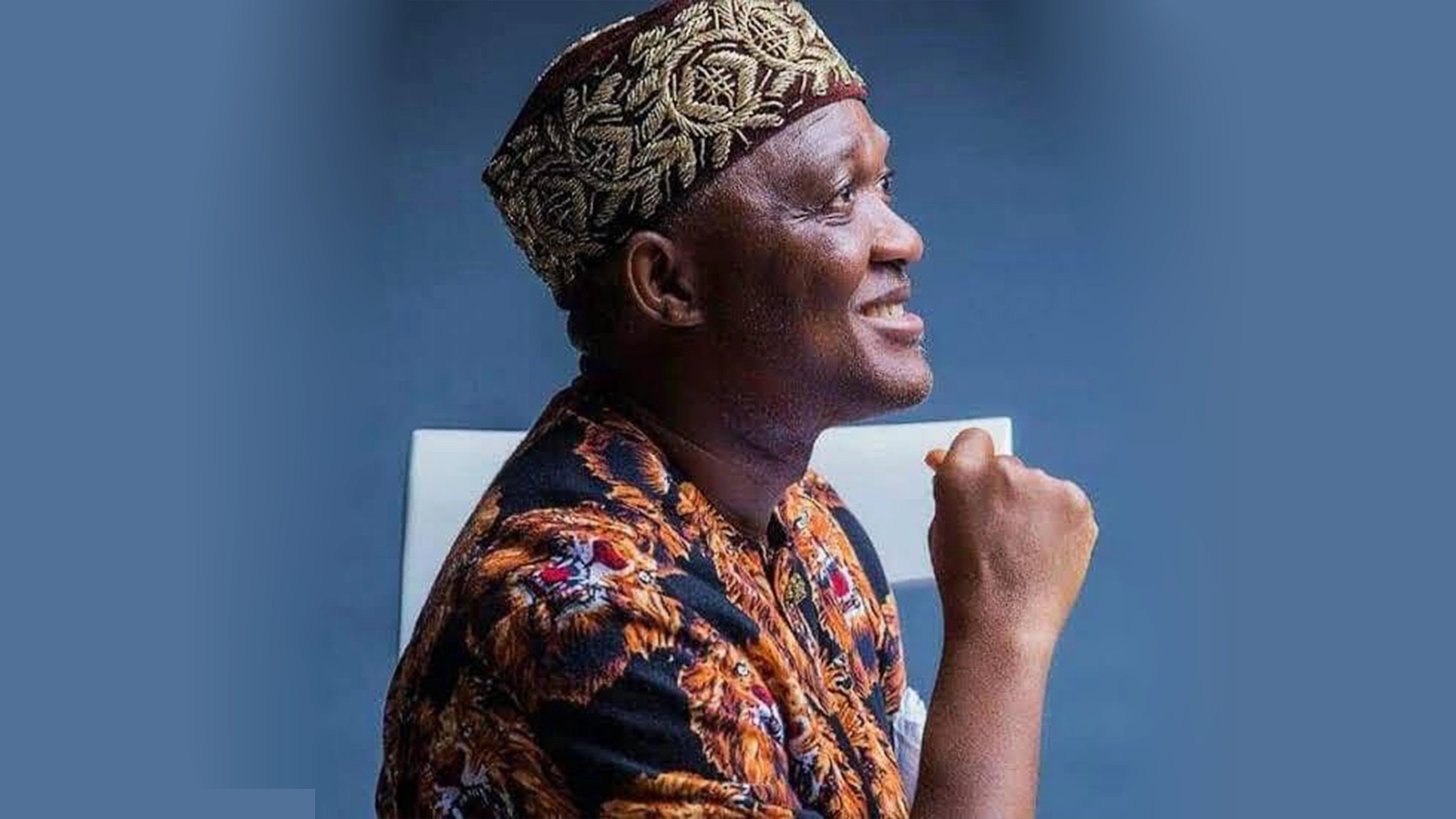
The member representing Igbo-Eze North/Udenu Federal Constituency in the House of Representatives, Dennis Nnamdi Agbo, has identified Enugu State as a model for translating increased government revenues following the removal of fuel subsidy into tangible development projects and public benefits.
Agbo, who spoke at the University of Nigeria, Nsukka, while delivering a public lecture titled Three Years of Post-Subsidy Removal: Evaluating the Socio-Economic Effects of Nigeria’s Deregulated Downstream Sector, said the success of the policy should be measured by its impact on the lives of citizens.
He argued that the responsibility of government extended beyond ending what he described as an unsustainable subsidy regime to ensuring that the resources made available by the reform translated into infrastructure, affordable transportation, education, healthcare and productive opportunities.
According to the lawmaker, Enugu State’s rising revenue receipts and substantial capital expenditure allocations demonstrate how governments can deploy available resources to address development challenges.
He disclosed that the state’s Federation Account receipts increased from N117.50 billion in 2023 to N255.67 billion in 2024 and N259.59 billion in 2025.
Similarly, its internally generated revenue rose from N37.49 billion in 2023 to N180.50 billion in 2024 and N407.76 billion in 2025.
Agbo, however, cautioned against attributing the entire increase in revenue to fuel subsidy removal, explaining that exchange-rate reforms, other federal transfers and the state’s revenue-generation initiatives also contributed to the growth.

“These gains reflect several factors, including subsidy removal, exchange-rate reforms, other federal transfers and the state’s revenue initiatives. They cannot all be classified as subsidy savings.
“Nevertheless, they demonstrate the increased resources available and the corresponding responsibility to deliver results,” he said.
The federal lawmaker also highlighted the state’s budgetary priorities, noting that capital expenditure accounted for 79.44 per cent of its budget in 2024, 86.29 per cent in 2025 and 80.13 per cent in 2026.
He said the allocations reflected the importance attached to infrastructure and development, stressing that governments must ensure that increased revenues produce measurable improvements in public services and living conditions.
Agbo particularly cited the deployment of 100 compressed natural gas-powered mass-transit buses and the provision of five modern transport terminals, including the Nsukka terminal, as examples of interventions aimed at addressing transportation challenges following the removal of fuel subsidy.
He said investments in mass transit could help ease the burden of rising transportation costs on households while improving connectivity between communities and supporting commercial activities.
“Such investments can connect communities, support businesses and ease the burden of movement when services are reliable and affordable,” he said.
The lawmaker maintained that the long-term sustainability of subsidy removal depended on the ability of governments at all levels to demonstrate that the additional resources available to them were improving the welfare of Nigerians.
He said the economic adjustments arising from the policy had placed considerable pressure on households and businesses, making it necessary for government to respond with policies and investments that would cushion the effects on vulnerable citizens.
Agbo added that support for subsidy removal should go hand in hand with demands for accountability, insisting that governments must explain how increased revenues were being utilised and the benefits citizens could expect in return.
He said poor and vulnerable Nigerians, who often bear the greatest burden of economic reforms, should be prioritised in the provision of essential services and development interventions.
“Every tier of government must demonstrate how increased revenues improve daily life, particularly for poor and vulnerable Nigerians. Enugu State provides a model worth examining and strengthening,” he said.
Agbo concluded that the removal of fuel subsidy should mark the beginning of a new phase of responsible public spending in which increased government revenues are matched by lasting improvements in infrastructure, social services and economic opportunities.
“Subsidy is gone, and gone for good. Let its departure be matched by enduring improvements in people’s lives,” he said.

