 Follow Us on Google News
 Follow Us on Google Discover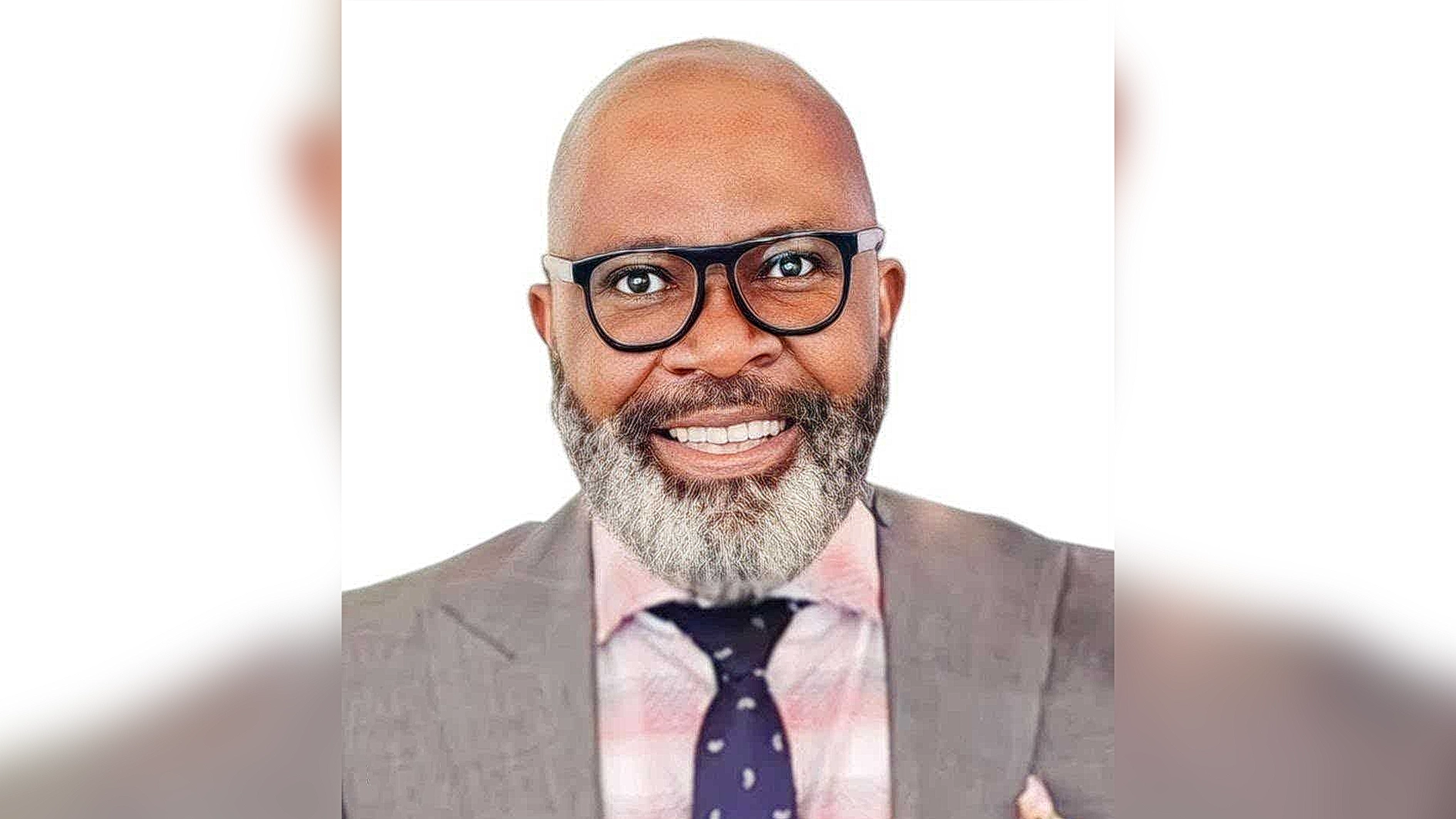
A child protection advocate, Dr. Martins Abhulimhen, has called for the establishment of an independent Children’s Commissioner in Nigeria, saying the country lacks a sufficiently independent institution to represent children’s interests, investigate systemic failures and hold public authorities accountable for protecting vulnerable children.
Abhulimhen said while public outrage often follows cases of child abuse, affected children and their families are frequently left to navigate a fragmented system involving the police, hospitals, social workers, schools, courts and community structures, with no single independent body overseeing their welfare.
According to him, the absence of such an institution, rather than a lack of concern for children, remains one of the biggest gaps in Nigeria’s child protection framework.
He argued that Nigeria should begin a serious national conversation on creating an independent Children’s Commissioner that would work alongside existing institutions rather than replace them.
Drawing from more than two decades of work through the Jose Foundation on child sexual exploitation and gender-based violence, Abhulimhen said experience had shown that goodwill alone could not replace coordinated institutions capable of ensuring effective protection for children.
He noted that child survivors of abuse are often forced to recount traumatic experiences repeatedly to different officials, while poor coordination among agencies can lead to the loss of evidence and leave families struggling to access medical, legal and psychological support.

“The deeper problem is that responsibility for protecting children is dispersed across several institutions, while no sufficiently independent national office exists with the mandate to see the entire picture and speak exclusively in the child’s interest,” he said.
He explained that the proposed office should be empowered to receive complaints directly from children, obtain relevant information from public institutions, investigate systemic failures, commission research and advise policymakers on matters affecting children’s welfare.
According to him, the commissioner should also monitor the treatment of children in schools, care homes, displaced communities, detention facilities and other vulnerable environments, while remaining sufficiently independent to speak “without fear or favour.”
Abhulimhen further stressed that child protection should move beyond reacting to individual tragedies and instead focus on identifying systemic patterns before they escalate into larger crises. He said information from schools, healthcare providers, law enforcement agencies, social services and civil society organisations should be used to identify risks and improve institutional responses.
While acknowledging Nigeria’s progress through child protection legislation and the efforts of government agencies, development partners and civil society organisations, he said the country now needed an independent accountability mechanism capable of connecting these efforts and ensuring every child has access to justice and protection.
“Protecting children is not an act of charity. It is a test of national character. Every child should know that if they speak, someone will listen; if they are harmed, someone will act; and if a system fails them, someone with authority will demand change,” he said.

