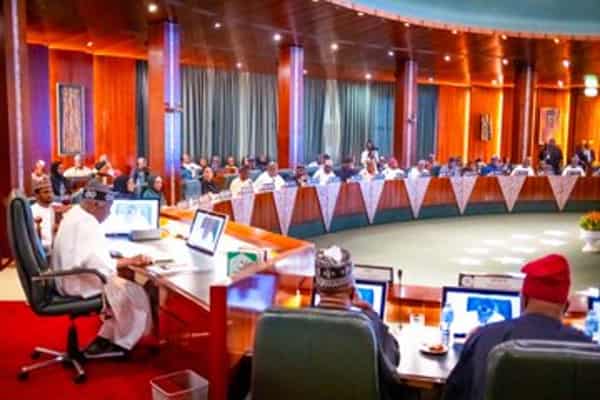
The Federal Executive Council (FEC) on Wednesday approved five major memoranda from the Ministry of Industry, Trade and Investment, including Nigeria’s long-awaited Industrial Policy 2025, the procurement of electric buses, and key infrastructure projects in Lagos.
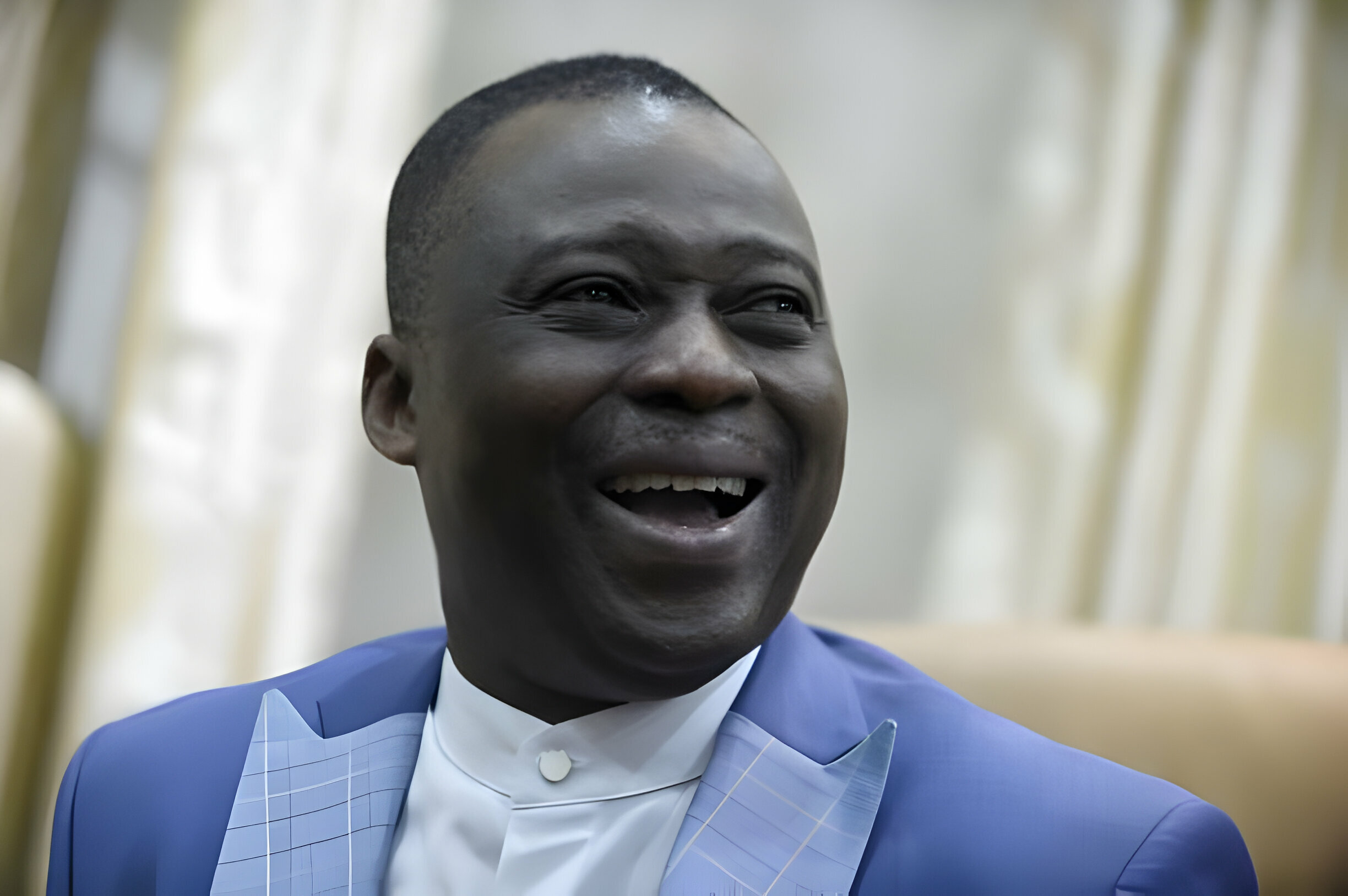
Minister of State for Industry, Trade and Investment, Senator John Owan Enoh, who briefed State House correspondents after the meeting chaired by President Bola Ahmed Tinubu, said three of the approved submissions fall under industry, while two relate to trade and investment.
One of the approvals includes the supply of 200 electric buses to the National Automotive Design and Development Council (NADDC), a move Enoh said will strengthen Nigeria’s automotive development agenda and accelerate the country’s shift to cleaner mobility.
He added that the Bureau of Public Procurement (BPP) had reviewed and approved the contract sum of N58 billion, stressing that the selected contractor has a verifiable track record in local electric vehicle assembly, consistent with the government’s Nigeria First procurement policy.
Council also approved N187.8 billion for the design and construction of the Bank of Industry (BOI) headquarters at Eko Atlantic City, Lagos.
Enoh said the project aligns with the bank’s expanding mandate in national industrialisation.
Describing it as “the most significant approval of the day,” the minister announced that FEC has formally adopted the Nigerian Industrial Policy 2025, a document developed and validated with national and international partners, including the UNDP.
“I am glad that at today’s Council meeting, the Nigerian Industrial Policy was finally approved. It now becomes a public document that will guide industrial growth and development,” he said.
The policy, he noted, aligns with President Tinubu’s Eight-Point Agenda and provides investors with a clear roadmap for Nigeria’s industrial future.
Enoh said the policy is built on five strategic pillars:
Industrial infrastructure development and competitiveness,
Sectoral diversification and value-chain development,
Investment promotion and business-environment reforms,
Innovation, technology and digital industrialisation,
Sustainability, green growth and climate resilience
He added that the document includes targeted interventions such as strengthening industrial clusters, improving infrastructure in special economic zones, supporting technology transfer, and boosting local content across manufacturing sectors.
Responding to questions on the “Nigeria First” directive mandating MDAs to patronise locally manufactured vehicles, Enoh said implementation will be gradual but is already underway.
“At the ministry, I use a Mikano vehicle; the Minister uses an Innoson vehicle,” he said, noting that compliance will continue to expand across government institutions.
Under trade and investment, Council approved the construction of internal and access roads within the Lekki Medical Tourism Park at the Lekki Free Trade Zone.
The memo originated from the Nigeria Export Processing Zones Authority (NEPZA).
Another approval confirmed Nigeria’s selection, after a competitive process conducted with Afreximbank, as host of the Intra-African Trade Fair (IATF).
Lagos will host the event, with the refurbished National Arts Theatre (now the Sunní Health Centre for Culture and Creative Arts) serving as the main venue.
“This is a huge event that positions our country strongly, especially within the African Continental Free Trade Area (AfCFTA). It reinforces Nigeria’s ambition to be the continent’s manufacturing and industrial hub,” Enoh said.
He added that the approval aligns with the Programme for Country Partnership, whose national coordination body held its inaugural meeting last week.