 Follow Us on Google News


 Follow Us on Google Discover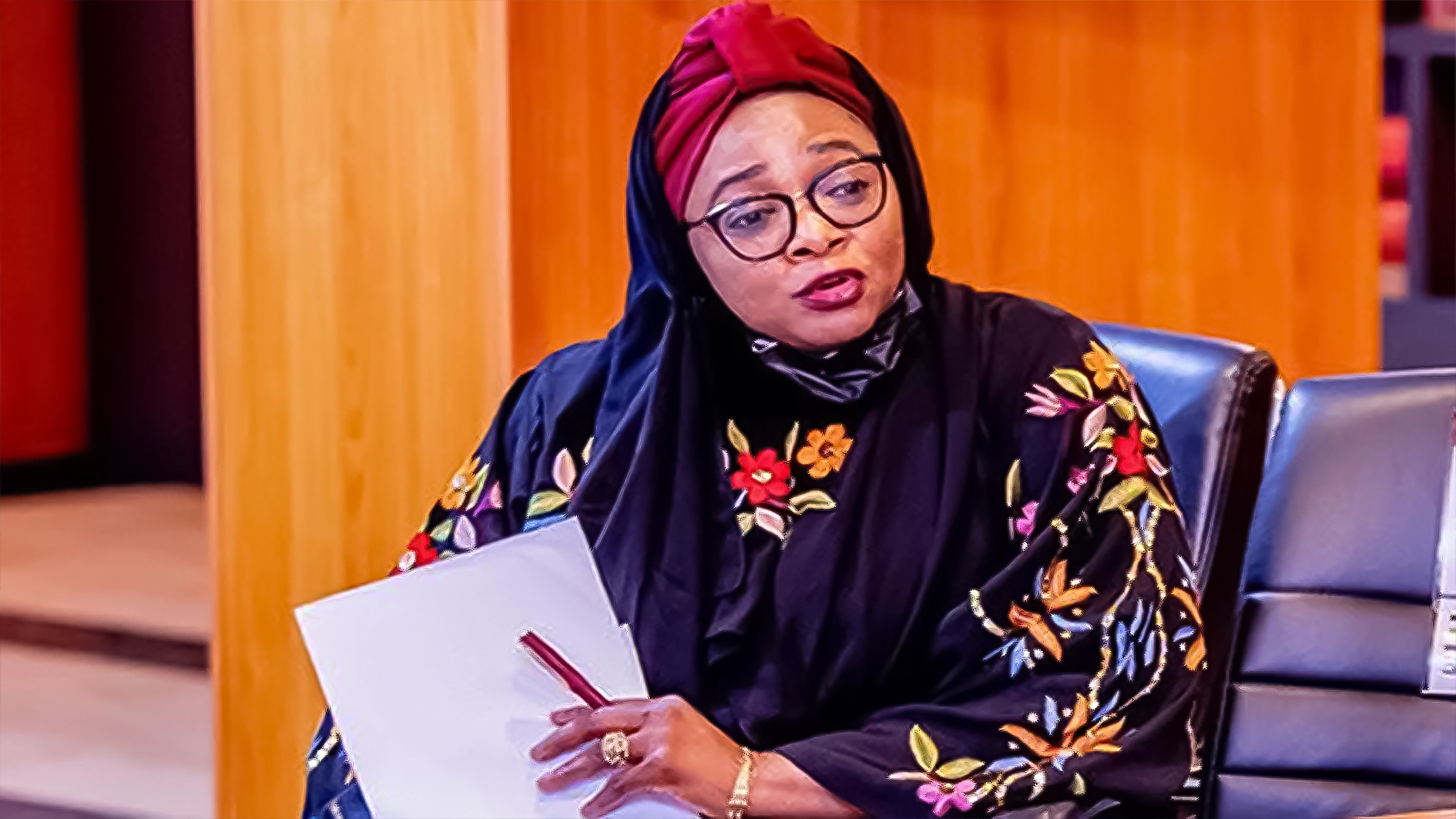
The Federal Government has intensified efforts to institutionalise gender-responsive planning and budgeting across ministries, departments and agencies (MDAs), with the Ministry of Budget and Economic Planning expressing optimism that the approach will begin to produce more practical results in the 2027 budget cycle.
The Permanent Secretary, Federal Ministry of Women Affairs and Social Development, Mrs. Esuabana Nko Asanye, said gender-responsive planning and budgeting was critical to ensuring that public resources addressed the different needs of women, men, girls, boys and other vulnerable groups, rather than treating development interventions as gender-neutral.
Asanye stated this at a two-day capacity-building programme on gender-responsive planning and budgeting, where she urged government institutions to translate the knowledge and skills acquired from the training into concrete action within their respective MDAs.
According to her, gender-responsive planning and budgeting involves mainstreaming gender considerations into decision-making throughout the annual budget cycle and other key policy processes.
She said the approach would enable government to identify existing gender inequalities, analyse their causes and design responsive programmes capable of addressing the different needs of citizens.
The Permanent Secretary, who described the family as the foundation of society, warned that when families are weakened, the consequences could manifest in poverty, insecurity, gender inequality, youth unemployment, violence and other forms of social disruption.

The call comes as the Federal Ministry of Budget and Economic Planning disclosed that gender-responsive planning and budgeting was being integrated into the national planning and budgeting process, with expectations that the 2027 budget would provide a practical test of the progress made so far.
The Permanent Secretary of the ministry, Dr. Deborah O. N. Odoh, said gender-responsive budgeting should not be treated as a standalone initiative but embedded across the entire planning and budgeting cycle, from policy formulation and resource allocation to implementation, monitoring, evaluation and reporting.
Odoh said the ministry, with support from UN Women and other partners, had developed a gender-responsive planning and budgeting framework to guide MDAs in identifying gender-related gaps, integrating appropriate interventions into sector plans, aligning resources with identified priorities and establishing measurable indicators for tracking results.
She said the Budget Office of the Federation had incorporated gender-responsive planning and budgeting into its budget circulars, although the response from MDAs had so far remained low.
“As we plan for our 2027 budget, with all the training that is being done at top level, middle level, that will cascade down, we expect that the 2027 budget will be a reflection of all the things that we have done,” Odoh said.
She also disclosed that the government’s Renewed Hope Ward Development Survey covering all 8,809 wards had generated data on the potential and development needs of communities across the country, which could help ensure that development interventions respond to realities at the grassroots.
AfDB: Gender budgeting key to inclusive growth
The African Development Bank (AfDB) also called for stronger institutionalisation of gender-responsive planning and budgeting, describing it as a strategic policy instrument for addressing inequalities in access to opportunities, resources, services and economic participation.
Speaking on behalf of the Acting Vice President, Regional Development, Integration and Business Delivery, and Director General of the AfDB Nigeria Country Department, Dr. Abdul B. Kamara, the bank’s Gender Equality and Women’s Empowerment Specialist, Mrs. Patience Ekechukwu, said gender-responsive budgeting should go beyond identifying women as beneficiaries of development programmes.
Ekechukwu said government must ask who benefits from public expenditure, who is being left behind, what barriers prevent women and girls from accessing opportunities, who participates in decision-making and whether resources are addressing identified barriers.
She said the AfDB was committed to supporting the development and institutionalisation of Nigeria’s gender-responsive planning and budgeting framework and strengthening a high-level technical working group on the issue.
UN Women: Implementation must go beyond training
The UN Women Country Representative to Nigeria and ECOWAS, Ms. Beatrice Eyong, said the organisation had moved beyond training and advocacy towards a structured process aimed at institutionalising gender-responsive planning and budgeting within Nigeria’s public service.
Eyong said UN Women had entered into a memorandum of understanding with the Civil Service of Nigeria to support the institutionalisation of gender-responsive planning and budgeting and promote inclusive working environments.
She said Permanent Secretaries from almost all ministries, alongside senior officials including representatives of the Accountant-General and National Bureau of Statistics, had already received training, which was now being cascaded to directors and other civil servants.
Eyong disclosed that UN Women was implementing a five-year plan that would include annual monitoring of the extent to which MDAs were integrating gender-responsive planning and budgeting into their operations.
She stressed that institutionalisation could not be achieved through a two-day workshop alone, noting that sustained monitoring, technical support and implementation would be required.
The real test, however, will be whether the framework translates into measurable changes in the allocation and utilisation of public resources, particularly in the 2027 budget, and whether gender-disaggregated data is consistently used to identify gaps and track outcomes.
For women and girls who continue to face structural barriers in access to economic opportunities, healthcare, education, social protection and decision-making, the effectiveness of the initiative will ultimately be measured not by the number of workshops conducted, but by whether public expenditure produces tangible and equitable improvements in their lives.

