 Follow Us on Google News



 Follow Us on Google Discover
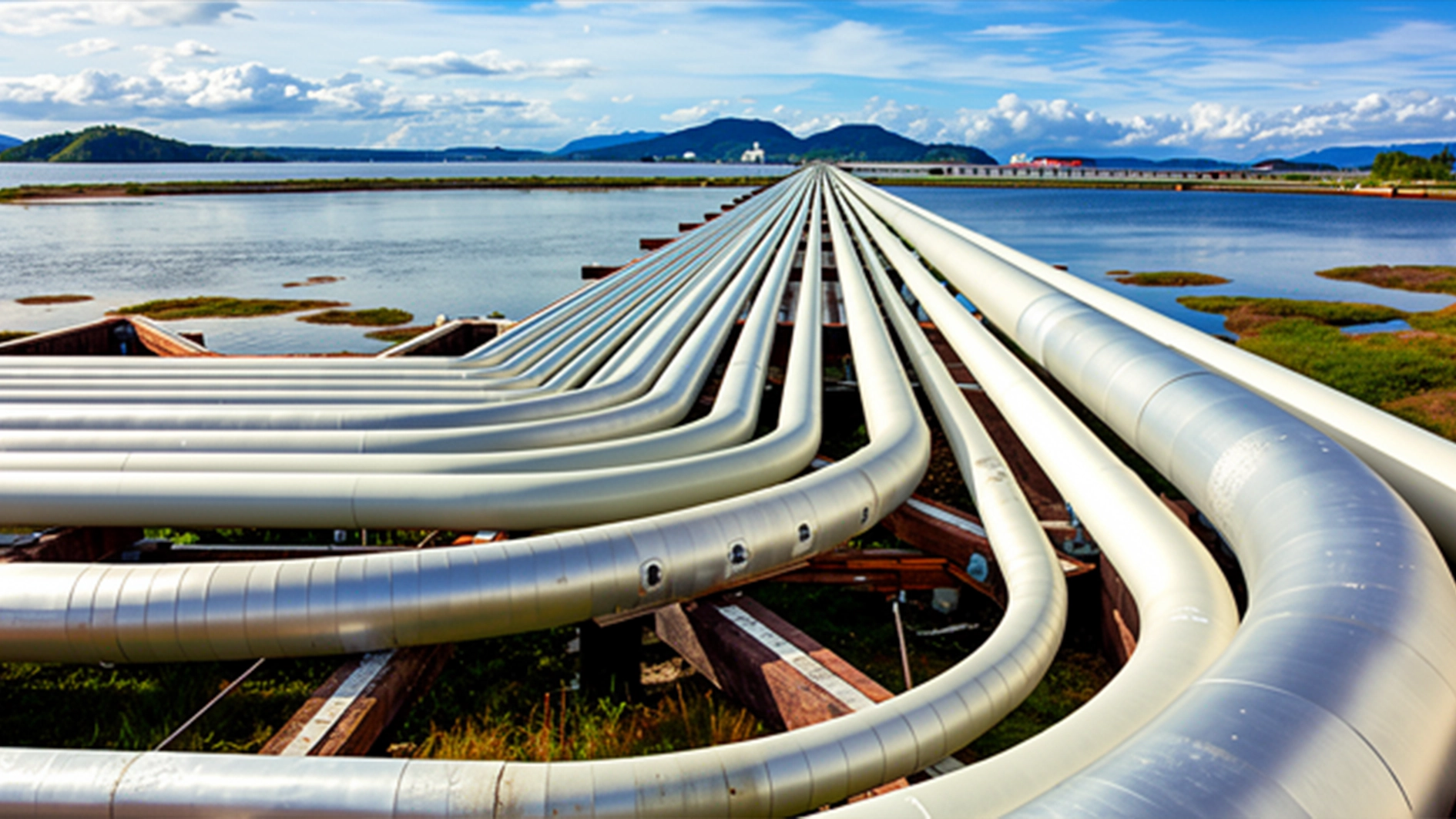
The Federal Government yesterday began its ambitious development of the South-East economy with the signing of an over-$100 million gas pipeline project in the region.
President Bola Tinubu declared that the over 400-kilometre pipeline spanning from Ohaji in Imo State, through Anambra, Abia, Enugu and Ebonyi states is part of his administration’s efforts to build an industrial economy in which affordable energy becomes a foundation for investment, competitiveness and employment.
At the signing of the project, which is a partnership between the South-East Development Commission (SEDC), Nigerian National Petroleum Company Limited (NNPCL) and Gas Syc Limited, the President declared: “Our ambition is not simply to deliver gas to existing factories. It is to make possible factories that do not yet exist, industrial parks yet to be developed, and investments that have remained on the drawing board because reliable energy was unavailable.”
Represented by the Deputy Speaker of the House of Representatives, Benjamin Kalu, he stated that the true value of the nation’s gas lies in the factories it powers, the jobs it creates, and the prosperity it brings to the people.
He said: “Gas infrastructure must therefore serve industries and markets, not stop at political boundaries. That is the economic logic of regional integration.
“Our ambition is not simply to deliver gas to existing factories. It is to make possible factories that do not yet exist, industrial parks yet to be developed, and investments that have remained on the drawing board because reliable energy was unavailable. We must build an industrial economy in which affordable energy serves as a foundation for investment, competitiveness, and employment.

“With the Assa North–Ohaji South gas processing project in Imo State achieving first gas earlier this year, we have an important opportunity to connect domestic gas resources to productive industries.”
The proposed South-East Gas Distribution Pipeline Project seeks to do precisely that. “It aims to develop a regional gas distribution network serving industrial and commercial users across Imo, Abia, Anambra, Enugu and Ebonyi States.”
He stressed that this could mean more competitive manufacturing in Aba, stronger industrial clusters in Nnewi and Onitsha. Kanu also noted this could translate into new investment and productive enterprises in Enugu, greater opportunities for agro-processing and manufacturing in Ebonyi, and a stronger connection between Imo’s gas resources and the wider regional economy. He said that “these are not five separate economies; they are parts of one interconnected economic region.”

