 Get Guardian on Google
Nigeria’s headline inflation rate decreased to 20.12 per cent in August 2025 from 21.88 per cent in July, the National Bureau of Statistics (NBS) reported on Monday. The decline of 1.76 percentage points marks the fifth consecutive monthly drop in the Consumer Price Index (CPI), continuing the trend observed since April 2025 when inflation stood at 23.71 per cent.
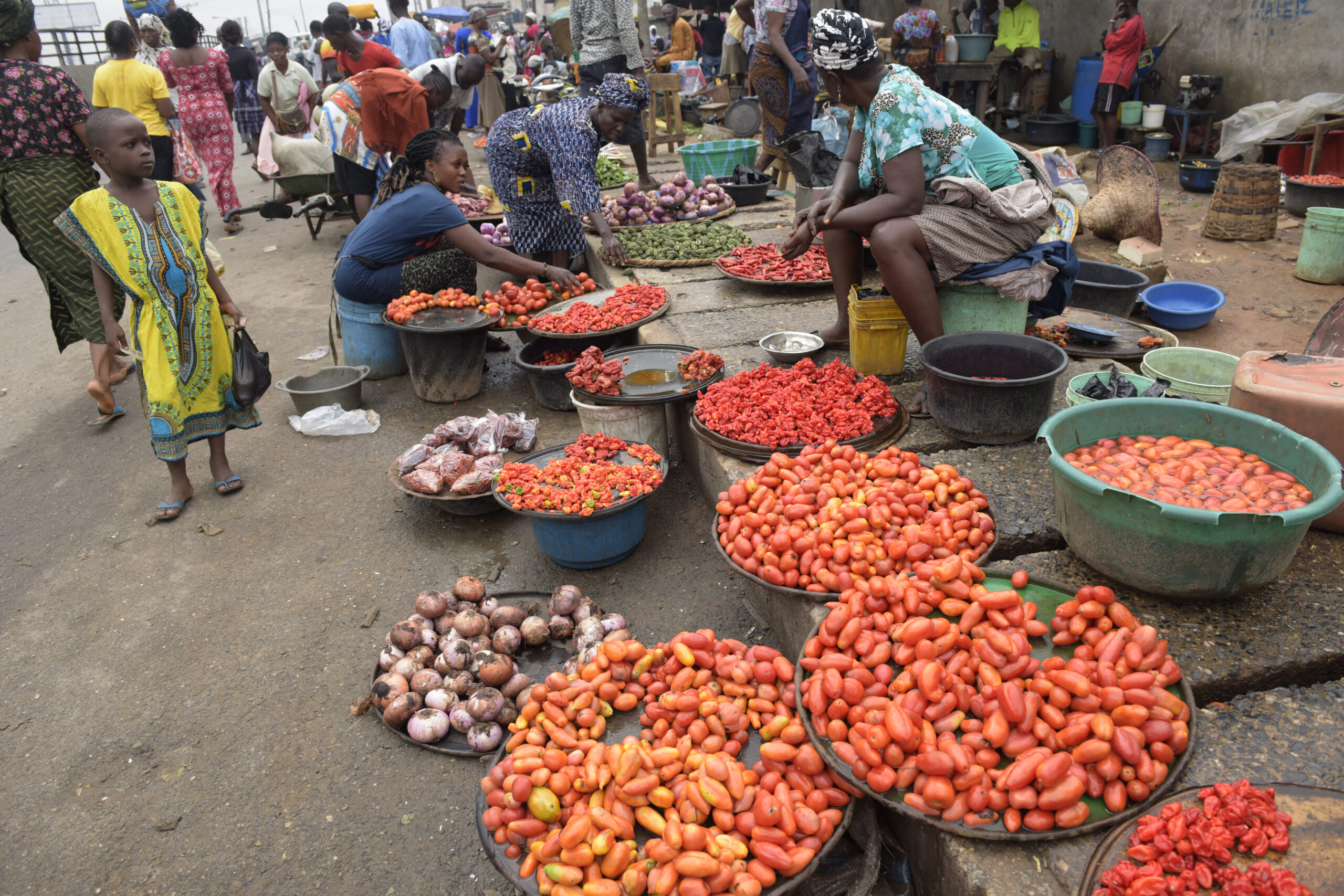
The statistics office indicated that the month-on-month headline inflation rate for August was 0.74 per cent, compared to 1.99 per cent in July. Food inflation, a major component of household expenditure, slowed to 21.87 per cent year-on-year, down from 22.70 per cent in July.
The decline in food inflation is attributed to lower average prices for staples such as imported and local rice, guinea corn flour, maize flour, sorghum, millet, semolina, and soya milk.
The NBS report highlighted that urban inflation fell to 19.75 per cent in August, slightly lower than rural inflation at 20.28 per cent, reflecting differences in price pressures between city and countryside markets.
Year-on-year, the headline inflation rate was 12.03 percentage points lower than the 32.15 per cent recorded in August 2024. The bureau noted that the decline is partly influenced by the change in the CPI base year to November 2009 = 100.
The report also revealed variations in food inflation across states. Borno recorded the highest year-on-year food inflation at 36.67 per cent, followed by Kano at 30.44 per cent and Akwa Ibom at 29.85 per cent. In contrast, Zamfara, Yobe, and Sokoto recorded the lowest rates, at 3.30 per cent, 3.60 per cent, and 6.34 per cent, respectively.

The Consumer Price Index rose to 126.8 in August from 125.9 in July, reflecting a slower rate of increase in the average price level. Analysts said the data suggest that while inflation remains high, the pace of price growth is moderating, offering potential relief for households and businesses grappling with rising costs of living.