 Follow Us on Google News


 Follow Us on Google Discover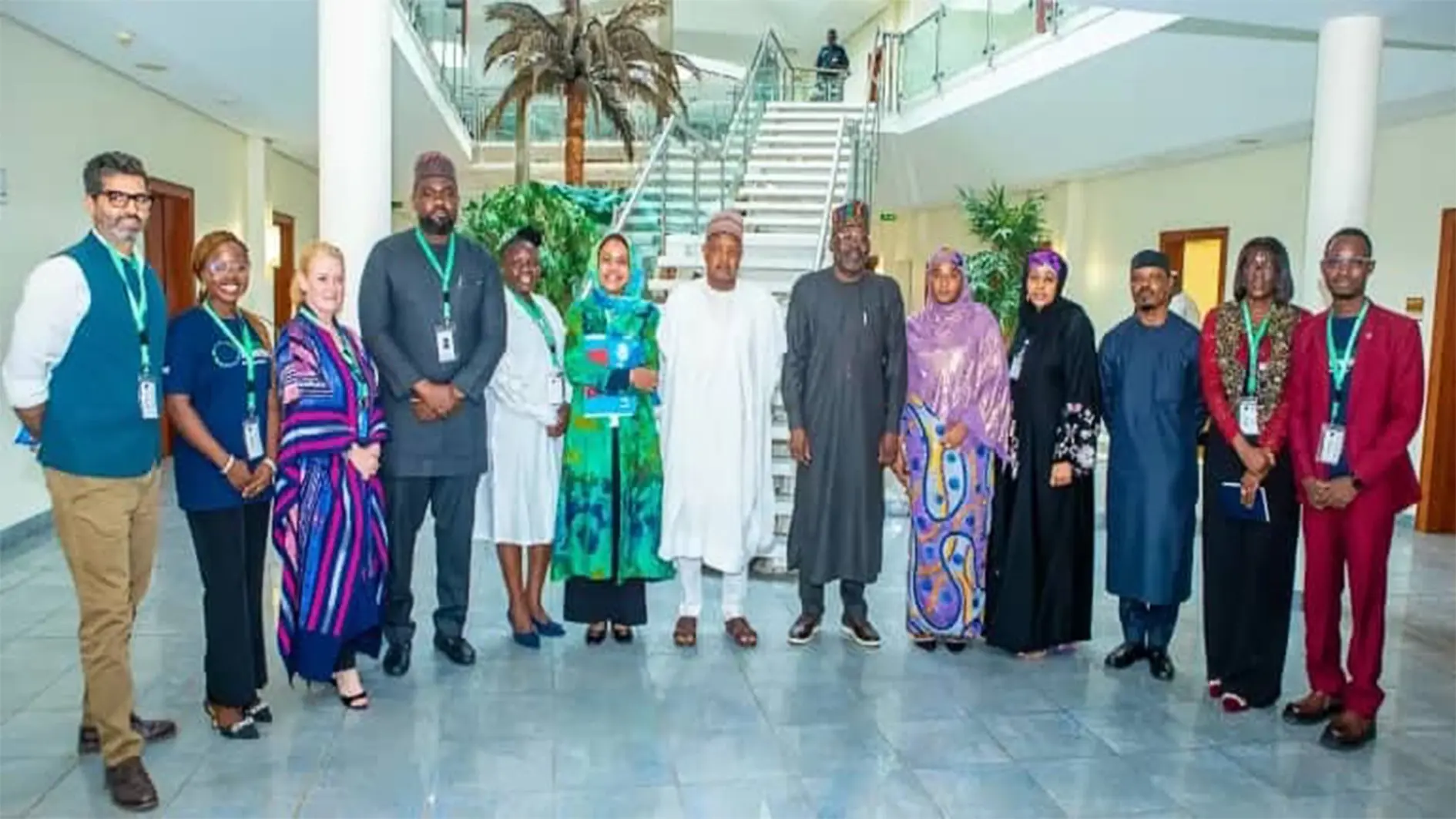
The United Nations Children’s Fund (UNICEF) has described the unveiling of the national secretariat of Generation Unlimited Nigeria (GenU 9JA) within the Office of the Vice President as a strong indication of the Federal Government’s commitment to placing young Nigerians at the centre of national development.
The secretariat, officially launched on March 31, 2026, is seen as a major milestone in efforts to connect millions of youths to education, skills acquisition, and economic opportunities.
In a statement made available to The Guardian, UNICEF noted that the establishment of the secretariat demonstrates clear government ownership and a renewed resolve to prioritise young people in national planning and resource allocation.
The agency commended the Federal Government and Nigerians, describing the development as a significant moment for the country’s youth population. It added that youth development is being elevated from a peripheral concern to a central governance priority.
According to UNICEF, since its launch in 2021, GenU 9JA has impacted over 11 million young Nigerians across the 36 states and the Federal Capital Territory, providing access to digital skills training, employment pathways, and civic engagement opportunities—particularly for young women and youths from marginalised communities.
With a target of reaching 20 million young Nigerians by 2030, UNICEF said the establishment of the national secretariat marks the next phase of the initiative’s expansion.

The secretariat will be co-led by the Office of the Vice President and UNICEF under the Generation Unlimited Nigeria Public-Private-Youth Partnership (PPYP). It is designed to serve as a high-level coordination and systems integration hub, bringing together ministries, private sector stakeholders, development partners, and young people.
Its mandate includes strengthening policies, programmes, and investments to support youth skilling, employment, entrepreneurship, and digital inclusion at scale.
UNICEF Nigeria, as co-lead of the secretariat, reaffirmed its commitment to the partnership, pledging continued technical support in designing and scaling learning-to-earning pathways. These include initiatives focused on digital skills, education, employability, and entrepreneurship, driven by data, evidence, and measurable outcomes.

