 Get Guardian on Google
The United Nations Children’s Fund (UNICEF) has called on media organisations in Sokoto, Kebbi and Zamfara states to intensify advocacy and hold governments accountable for commitments towards protecting children’s rights, warning that thousands of vulnerable children remain without access to essential services.
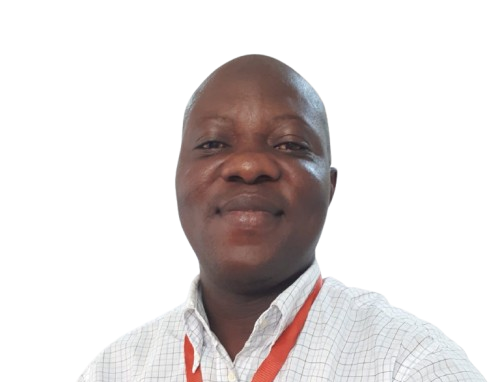
The Chief of UNICEF Sokoto Field Office, Dr Michael Juma, made the call on Friday during a media briefing to commemorate the 2026 World Children’s themed, “My Day. My Rights. My Future.”
He urged journalists to balance reporting development achievements with sustained attention to challenges affecting children’s survival, education, and wellbeing.
Juma disclosed that UNICEF had supported the identification of approximately 624,000 out-of-school children across the three states, but only about 68,000 had been reached through re-enrolment interventions.
He said the gap highlighted the urgent need for stronger government commitment, increased investment, and community mobilisation to return more children to classrooms.
He added that approximately 98,000 children had benefited from the Teaching at the Right Level (TaRL) programme, designed to improve foundational literacy and numeracy.
Other interventions include teacher training, learning materials, accelerated basic education, integrated Qur’anic education and digital and radio-based learning opportunities for children affected by insecurity and displacement.
On healthcare, the UNICEF official said approximately 7.8 million children had been reached through measles-rubella vaccination campaigns across the three states, while more than five million children received polio vaccines during the last concluded campaign.
He also disclosed that Kebbi State had recorded 148,000 children receiving the first dose of malaria vaccine, while 130,000 had received the second dose.
Juma also highlighted government investments in tackling malnutrition and improving access to healthcare, noting that Sokoto and Zamfara states committed approximately N100 million and N500 million respectively for the procurement of Ready-to-Use Therapeutic Food (RUTF) to treat children suffering from severe acute malnutrition.
He further acknowledged Kebbi State’s contribution of N540 million towards free medical care for children.
He said UNICEF-supported social health insurance initiatives had also expanded healthcare access, with approximately 86,000 beneficiaries recorded in Zamfara, 18,000 in Sokoto and 10,000 in Kebbi.
The organisation, he added, had supported child protection legislation, Family Court Rules and social protection policies, alongside interventions to improve care for premature and low-birth-weight babies.
Juma said the challenge was not peculiar to Nigeria, explaining that UNICEF was exploring additional resource mobilisation opportunities to sustain its interventions.
He, however, assured that education programmes across the three states had not been affected by the funding reductions experienced earlier in the year.
On reaching children in hard-to-reach communities, he said UNICEF is working through government structures and third-party monitoring arrangements to ensure effective service delivery and prevent vulnerable children and women from being excluded.