 Follow Us on Google News
 Follow Us on Google Discover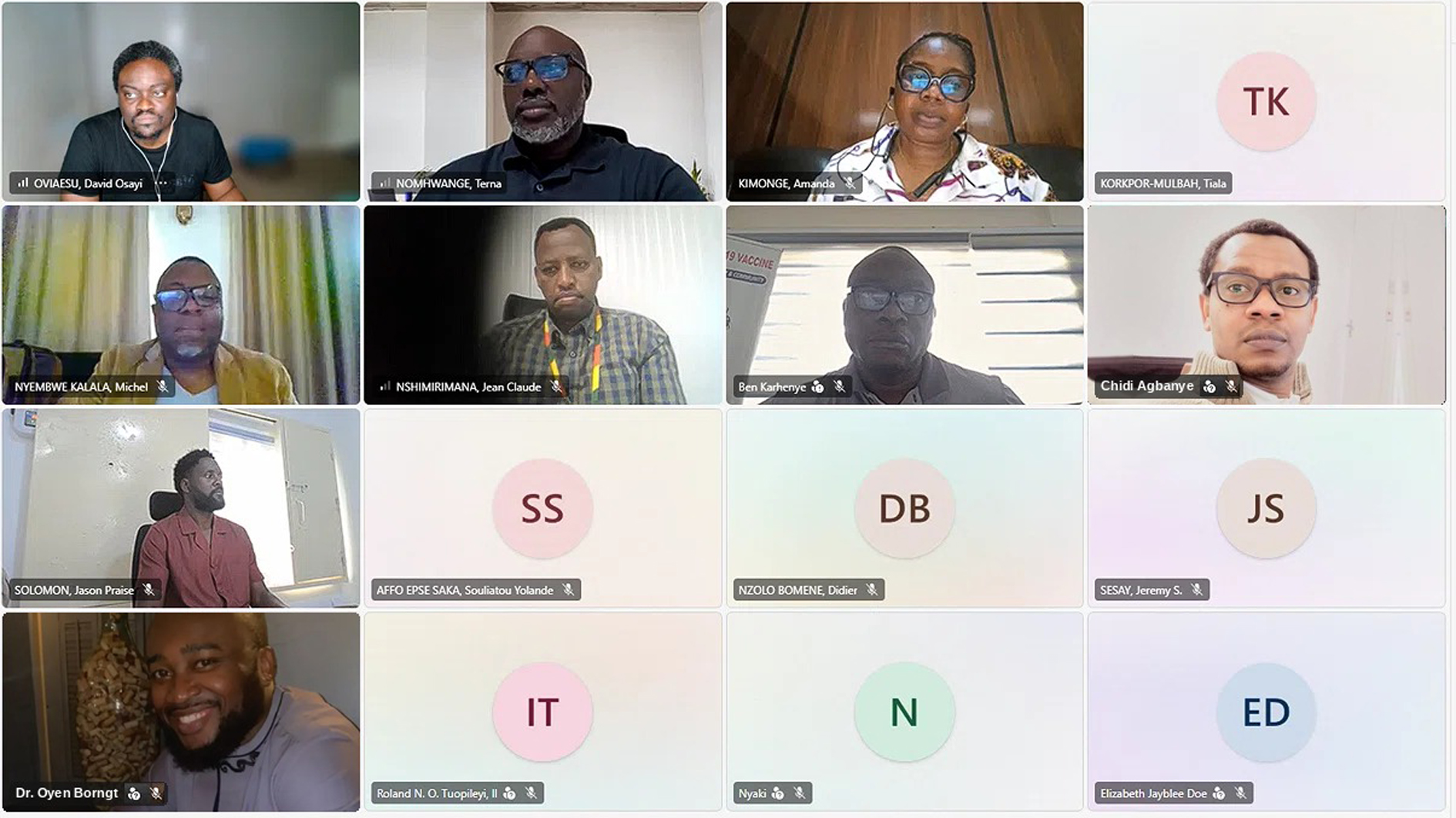
Health experts have called for stronger safeguards around the use of artificial intelligence and digital technologies in healthcare, warning that innovation must not come at the expense of patient safety, privacy, equity and human accountability.
The call was made during a virtual webinar organised by Christy Grace Health Center Inc. to mark World Patient Safety Day 2026. The event brought together professionals in healthcare, clinical research, data management and digital health to discuss the risks and opportunities presented by emerging technologies.
World Patient Safety Day, observed on September 17, focused this year on “Safe care for noncommunicable diseases,” with the slogan “Safe care for life!”
Speaking at the event, David Oviaesu, regional systems audit specialist and systems functions manager at the World Health Organization Regional Office for Africa, said AI should be judged not only by its capabilities but also by how safely and fairly it works.
He identified algorithmic fairness, data privacy and security, and the integration of technology into real clinical workflows as key patient-safety concerns.
Oviaesu added: “AI can help identify people at risk of conditions such as hypertension, diabetes, cardiovascular disease and cancer by analysing large volumes of health data.”

However, he warned that systems can perform poorly when the data used to train them do not adequately represent certain populations.
He, therefore, urged healthcare organisations to examine AI performance across factors including age, sex, disability, location and socioeconomic background, and to understand where health data come from, how they are collected and which populations may be missing.
On connected health devices, Oviaesu noted that remote-monitoring tools can help clinicians track indicators such as blood pressure, glucose and heart rate outside hospitals, but warned that the collection and transmission of sensitive health information also creates privacy and security risks.
On his part, a PharmD and clinical data-management specialist, Chidi Agbanye, said data quality is also central to patient safety.
He said healthcare decisions depend on accurate and reliable information, adding that electronic case-report forms, validation checks, audit trails and controlled access can help identify incomplete or inconsistent data.
Agbanye stressed that technology alone cannot guarantee data quality, noting that poorly designed questions, inadequate user training and systems that do not reflect clinical practice can still produce misleading information.
He called for greater collaboration among clinicians, data managers, technology teams, healthcare organisations and patients to ensure digital tools are safely implemented and monitored.
“Accurate data are essential for safe decisions,” Agbanye said, adding that accountability for the use of digital health systems must remain with people.
The discussions reflected WHO’s broader patient-safety message that safer care requires strong health systems, reliable data, supported health workers and meaningful involvement of patients in their care.

