 Follow Us on Google News


 Follow Us on Google Discover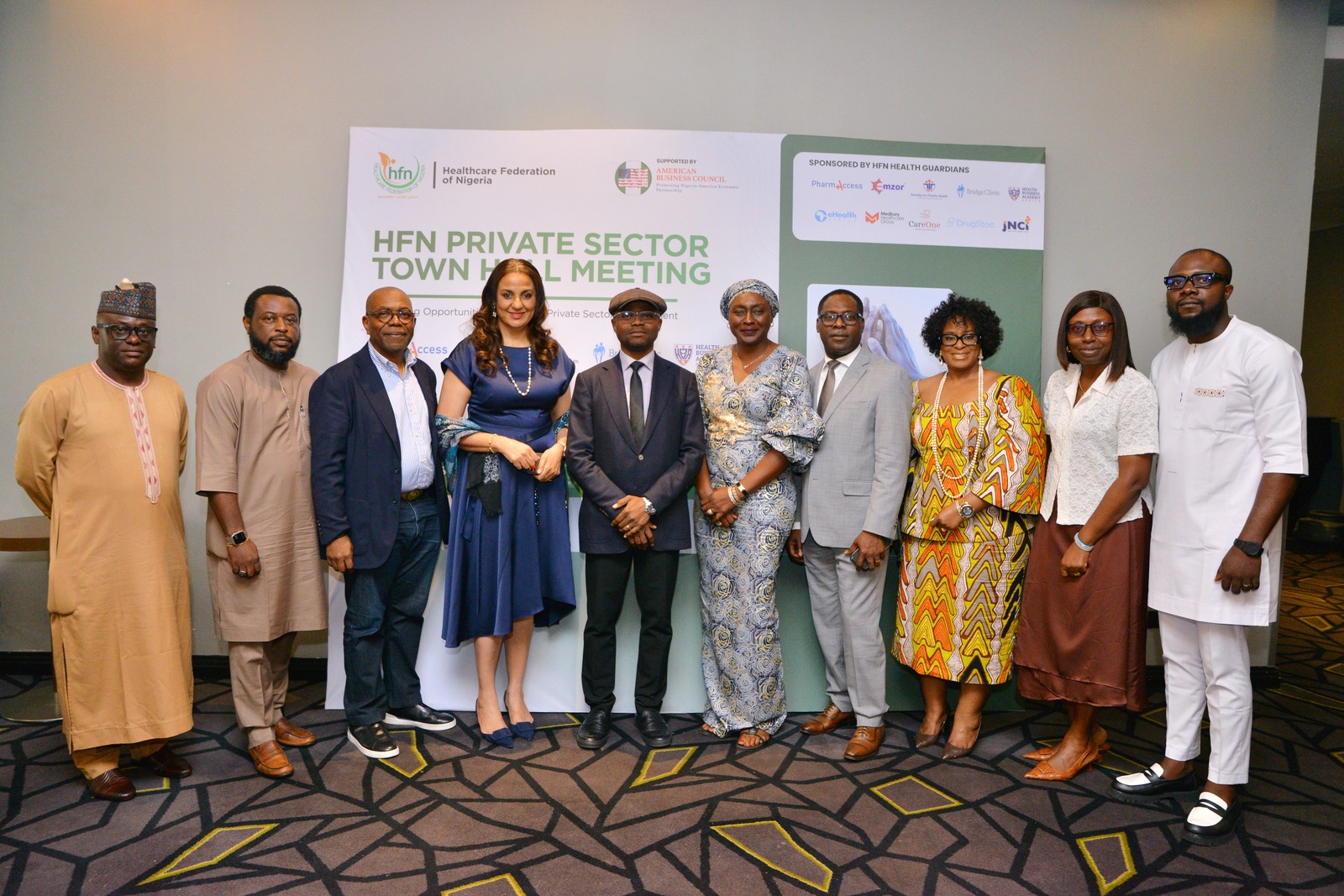
The Healthcare Federation of Nigeria (HFN) has begun talks with government officials on how private providers could deliver services funded by the Basic Healthcare Provision Fund.
The discussions followed HFN’s appointment as the private sector representative on the fund’s Ministerial Oversight Committee, according to a statement by the federation.
At an HFN town hall in Lagos on Friday, government officials, World Bank Group representatives and private healthcare stakeholders examined the conditions providers would need to meet to take part in the fund.
The statement said discussions covered accreditation, payment, quality standards, financing and the purchase of healthcare services from qualified public and private providers.
A former Chairman of the Senate Committee on Health and member of HFN’s Board of Trustees, Senator Lanre Tejuoso, called for clearer responsibilities and accountability in partnerships between government and private healthcare organisations.
“Perhaps this is one of the most important contributions the private sector can make to the BHCPF: helping government move gradually from buying things to buying results,” he said.

Tejuoso said private providers could offer expertise in technology, supply chains, diagnostics, equipment maintenance and data systems. He added that predictable government payments would be necessary to attract providers and investors.
“Government must make public-private partnerships investable, while the private sector must make it valuable,” he said.
A Senior Health Specialist at the World Bank Group, Dr Olumide Okunola, said the proposed approach would allow government to contract qualified public and private providers to deliver defined services.
“Perhaps the most fundamental reform in that guideline is moving the public finance system from a public integrated system to a public contract system,” he said.
The Lead of the BHCPF Ministerial Oversight Committee Secretariat, Dr Uzoma Nwankwo, said the immediate task was to examine how the fund currently operates and identify where private providers could contribute.
HFN President Njide Ndili said the federation’s place on the committee gave private healthcare providers a formal channel to raise issues affecting their participation.
“The BHCPF historically did not make provision for the inclusion of the private sector in healthcare service delivery. So this opens up the gateway for the private sector to actually receive funding from government to provide services, especially for those covered by the equity fund,” she said.
“HFN is not here to dominate. We’re here to organise our voices,” Ndili added.
The statement said Ndili would represent the private sector on the committee for an initial one-year period. HFN plans to submit a memo on private sector investments and activities ahead of the committee’s October 6 meeting.
Participants also discussed local pharmaceutical and medical manufacturing, technology transfer and the capacity needed to support healthcare delivery, the federation said.

