 Follow Us on Google News


 Follow Us on Google Discover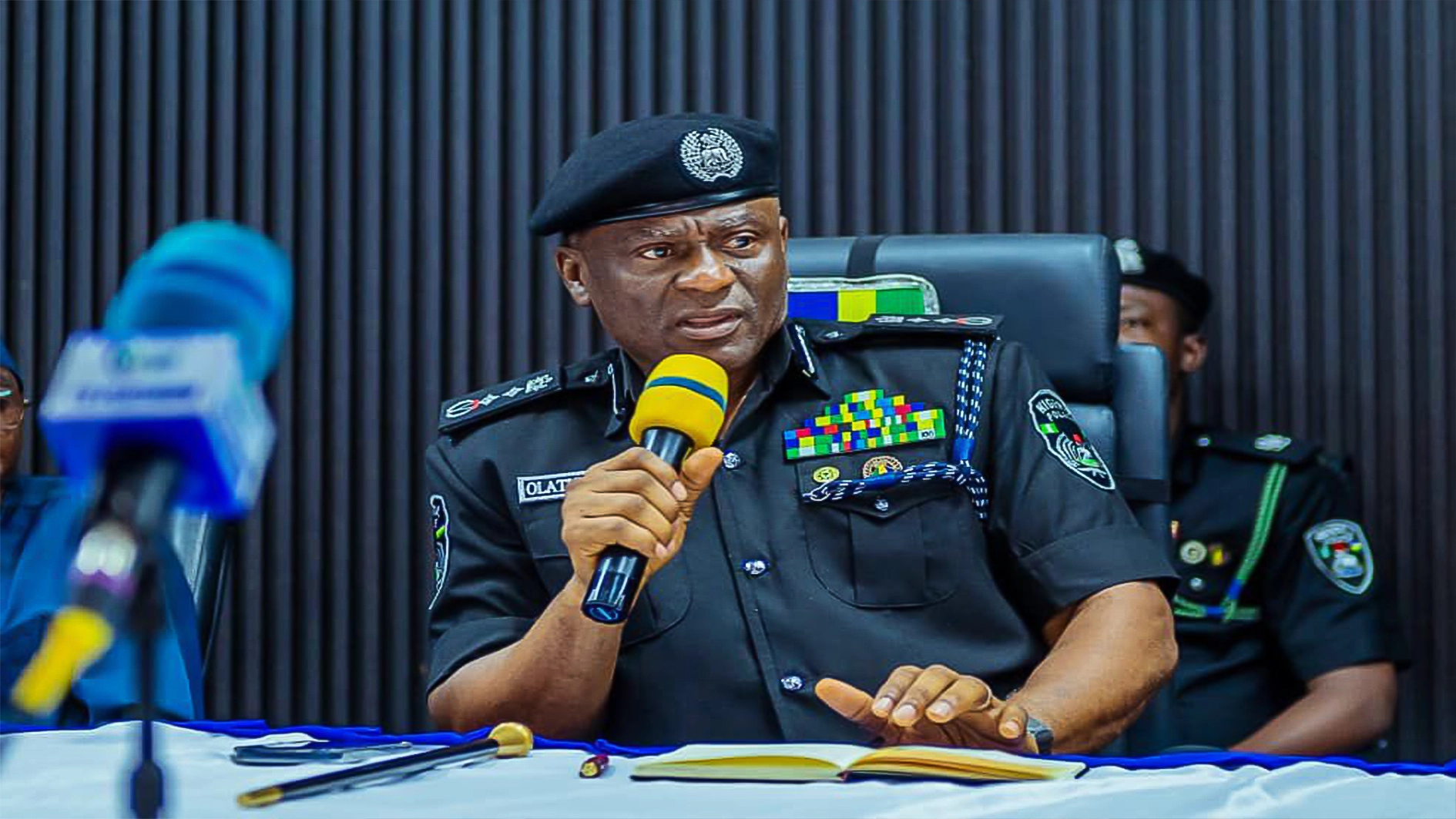
…Talks tough on violence, cyberstalking, others
The Nigerian Police Force has stated unequivocally that it will not tolerate the recruitment or mobilisation of young Nigerians for political violence before, during, or after the forthcoming general elections.
The Police also warned that it will not tolerate the possession or use of weapons for electoral purposes, attacks on political opponents, intimidation of voters, destruction of public or private property, or any other criminal conduct disguised as political participation.
The Inspector General of Police (IGP) Olatunji Disu, who made this commitment on Thursday in Abuja at the national youth leadership and security dialogue to commemorate International Youth Day 2026 with the theme:
“Different contexts, common aspirations,” emphasized that it recognises and respects the constitutional rights of Nigerians to participate in political activities, support political parties, express their opinions and campaign for candidates of their choice, provided such activities remain peaceful and lawful, but will not support lawlessness and bad behaviour.
Speaking further at the dialogue organized by the Police Force, the IGP maintained that as Nigeria approaches another important electoral season, the dialogue could not have come at a more appropriate time.
“Nigeria is a country of remarkable diversity, in ethnicity, religion, geography, culture, political affiliation and lived experience. Yet, beneath these differences, our young people share common aspirations: the desire for a secure future, meaningful opportunities, quality education, decent livelihoods, dignity, justice and the freedom to pursue their dreams. The challenge before us is how to ensure that these aspirations are not sacrificed on the altar of political expediency, criminality or violence.

” As we approach the 2027 electoral cycle, I urge you to remember a simple but profound reality: politicians contest elections, but you live with the consequences of those elections. When the campaign is over, political actors may reconcile. When political rivals disagree, they may eventually shake hands. But the young Nigerian who loses his or her life to electoral violence does not return home. The person who is arrested must face the law.
“The person permanently injured carries the scars. The family whose property is destroyed bears the loss. Do not allow anyone to use your youth to fight a battle that ultimately destroys your own future.
“Our responsibility is to create the security environment in which these democratic rights can be exercised freely and safely. We will protect citizens. We will facilitate peaceful campaigns. We will secure candidates, campaign venues and public spaces within the law. We will protect the integrity of the electoral environment.
“But let me be equally clear: We will not protect violence.
We will not tolerate the recruitment or mobilisation of young Nigerians for political violence. We will not tolerate the possession or use of weapons for electoral purposes, attacks on political opponents, intimidation of voters, destruction of public or private property, or any other criminal conduct disguised as political participation.
“The law will take its course against anyone who crosses that line. And this message is not directed at one political party or one political interest. It is directed at everyone.”
IGP appealed to political leaders and actors across the political spectrum not to recruit young people to fight their political battles.
“Do not arm them. Do not finance violence. Do not incite them against their fellow citizens. Do not encourage them to commit crimes today and promise to protect them tomorrow.
Nigeria cannot build a secure and prosperous future by destroying the generation that is expected to inherit that future.
“As the former United Nations Secretary-General, Kofi Annan, famously observed, “Young people should be at the forefront of global change and innovation. That is the role we want Nigerian youths to play, not as instruments of destruction, but as drivers of national transformation.
“Misinformation. disinformation, hate speech, cyberbullying, impersonation, deepfakes, online intimidation, coordinated digital attacks are increasingly capable of damaging reputations, inflaming communities, provoking real-world violence and undermining public confidence in democratic institutions.”
He continued: “To every young Nigerian holding a smartphone, I say: your digital footprint is part of your citizenship. Before you forward a message, verify it. Before you publish an allegation, establish the facts. Before you attack someone online, remember that a human is behind the screen. Before you share inflammatory content, ask yourself one question: “Will this build Nigeria or burn Nigeria?” Our message should therefore be simple: Think before you click, verify before you share, pause before you post; your voice matters.

