 Follow Us on Google News


 Follow Us on Google Discover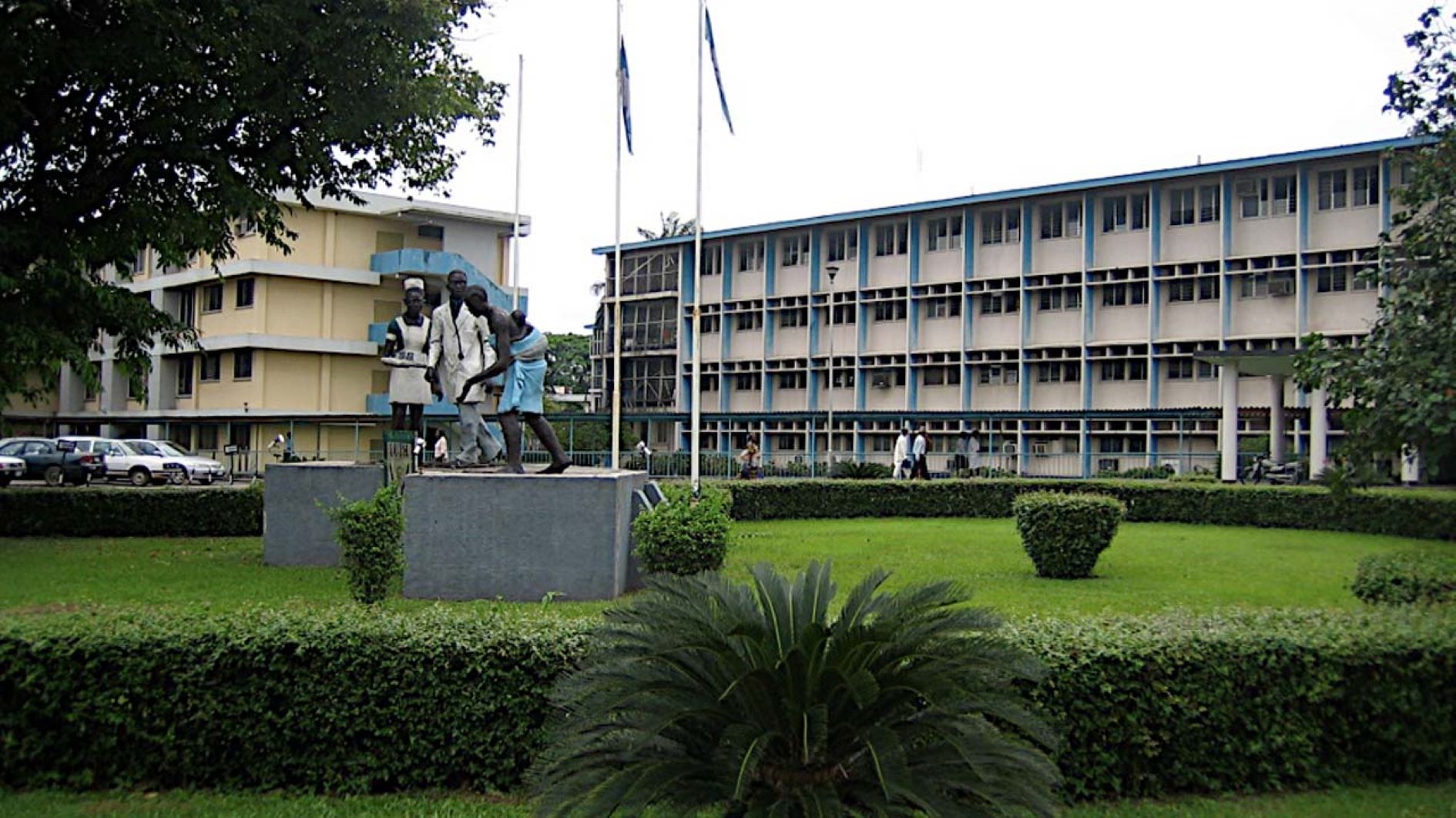
Lagos University Teaching Hospital (LUTH) has advocated sustained voluntary blood donation across the country as hospitals continue to grapple with severe blood shortages, with many blood banks holding supplies that can barely last 24 hours.
The call was made to commemorate the 2026 World Blood Donor Day, themed “One Drop of Humanity, Give Blood, Save Lives,” organised by the Department of Haematology and Blood Transfusion to create awareness on voluntary blood donation, honour regular donors and commission a new fully automated immunohaematology system aimed at improving efficiency and blood safety.
Head of the Department of Haematology and Blood Transfusion, Prof. Titi Adeyemo, said blood shortages continue to threaten patients’ care across the country.
According to her, hospitals should ideally maintain blood reserves capable of meeting demand for up to 10 days, but many facilities currently operate with supplies that can only last 24 hours.
She said that inadequate voluntary blood donation often fuels commercial blood donation practices, which she described as unsafe because donors seeking payment may conceal critical health information during screening.
Adeyemo warned that shortages of blood could force hospitals to postpone surgeries, delay dialysis treatments and struggle to respond effectively to emergencies involving accident victims, pregnant women and newborn babies.

She, therefore, urged Nigerians to embrace regular blood donation, noting that healthy individuals aged between 18 and 65 years and weighing at least 50 kilogrammes can safely donate blood every four months.
Besides, she dismissed widespread misconceptions that blood donation weakens the body, causes weight loss or leads to infections, insisting that the procedure is safe when carried out according to established guidelines.
Chairman of the Medical Advisory Committee (CMAC), Prof. Ayodeji Oluwole, who represented the Chief Medical Director of LUTH, described voluntary blood donors as the “heartbeat” behind successful surgeries, emergency resuscitations and lifesaving interventions for mothers and children.
He disclosed that the hospital requires between 20,000 and 25,000 units of blood and blood components yearly to meet patients’ needs, including trauma victims, women experiencing postpartum haemorrhage and patients with chronic anaemia requiring repeated transfusions.
Oluwole, however, acknowledged that challenges include low repeat donation rates, intermittent shortages of O-negative blood, inadequate funding for donor mobilisation activities and persistent misconceptions about blood donation.
The Coordinator of the Voluntary Blood Donor Recruitment Unit, Adeyinka Adewale, said World Blood Donor Day provides an opportunity to celebrate individuals whose donations continue to save lives.
Adewale, who lamented that only three out of every 100 eligible Nigerians donate blood regularly, describing the figure as a call to action rather than a mere statistic, noted that the hospital’s voluntary blood donation rate currently stands at only 12 per cent, stressing that paid and family replacement donation systems cannot match the safety and reliability of voluntary non-remunerated blood donation.

