 Follow Us on Google News


 Follow Us on Google Discover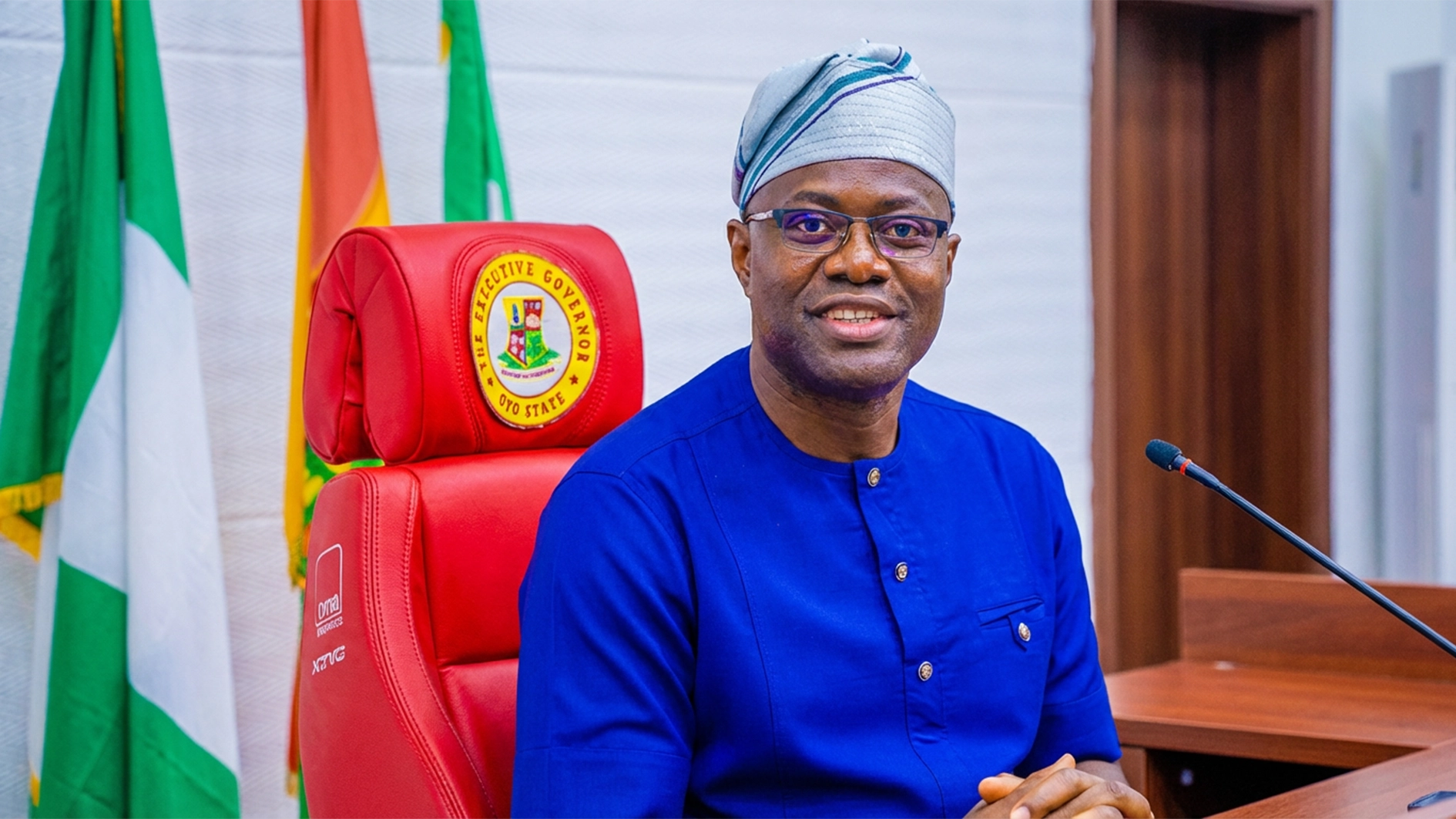
Oyo State Governor, Seyi Makinde, has questioned the petroleum pricing framework in Nigeria, arguing that the debate should go beyond whether fuel subsidy should be restored or completely removed.
Makinde, in the September 2026 edition of his newsletter, The Business of Governance, said Nigerians deserved to understand the factors determining the price of petroleum products in an oil-producing country.
The governor said the country needed to interrogate whether the existing pricing framework was appropriate and enabled Nigerians to derive fair benefits from the nation’s natural resources.
According to him, Nigerians should have access to clear information on the assumptions underpinning petroleum prices, including crude oil price benchmarks, refining costs and margins, exchange-rate assumptions, logistics and distribution costs, taxes and levies.
He said making such information publicly accessible would enable Nigerians to interrogate the basis of the prices they pay for petroleum products and compare them with available alternatives.
Makinde also rejected the argument that Nigerians should pay higher prices for petroleum products to eliminate the price differential that makes smuggling into neighbouring countries profitable.
“Nigerians should not be made to bear the cost of government’s inability to secure its borders,” he said.

The governor said the country needed to “reset” its systems and institutions rather than focus solely on individuals occupying public offices.
He noted that despite successive changes in government, new policies and promises of a new beginning, millions of Nigerians continued to grapple with poverty, insecurity, limited economic opportunities and poorly performing public institutions.
According to him, Nigeria’s challenges were therefore rooted in systems, institutions and structures that continued to reproduce outcomes that failed to serve the majority of citizens.
He said his proposed “Reset Nigeria” movement would focus on rebuilding the country’s systems and institutions to make them work for every Nigerian.
Makinde said the national reset would require accountable leadership and active citizenship, stressing that the process could not be achieved by one individual or government alone.
“This will not be an instant transformation, nor will it be the work of one person. It must be a deliberate national effort supported by a clear roadmap, measurable priorities and the sustained participation of Nigerians at home and abroad,” he said.
He disclosed that further editions of the newsletter would address his proposed approaches to resetting the economy, security architecture, education system, institutions and the nation’s social and political order.
Makinde also said he would share lessons from his public service experience and explain how they had shaped his vision for Nigeria.
He invited Nigerians to participate in the conversation by identifying the areas they believed should be prioritised in the proposed national reset.

