 Follow Us on Google News


 Follow Us on Google Discover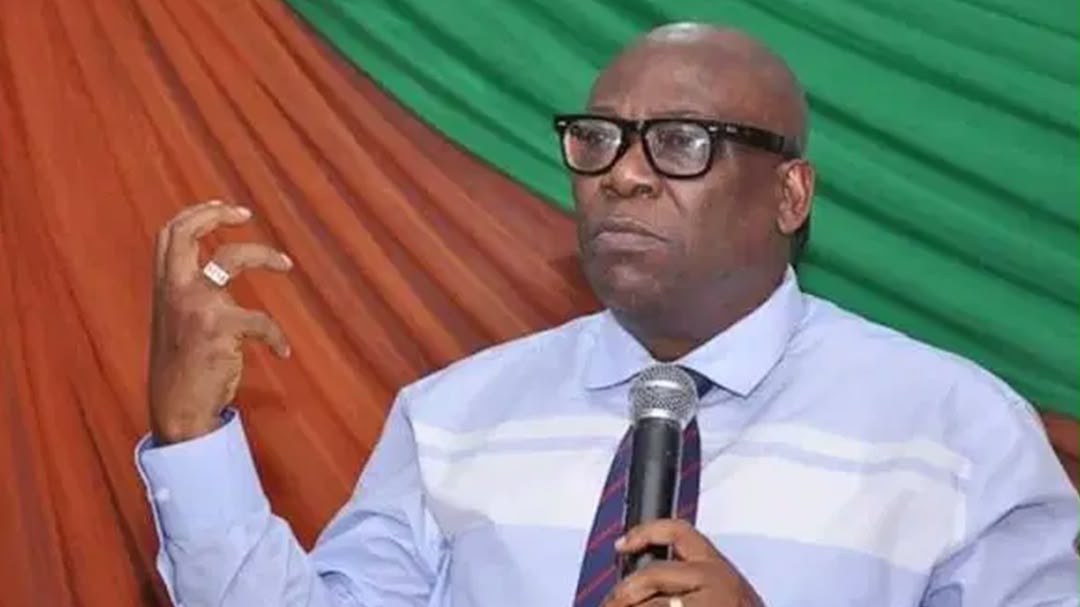
An author and lawyer, Richard Akinnola, on Friday said the judiciary under the military era was more independent and fearless than the current judiciary in the country.
He added that though there are a number of hard-working and independent-minded judges on the bench, a few judges who are politically compromised seem to be the face of the current judiciary.
The journalist-cum-activist spoke shortly after participating in Health of Mother Health Foundation, HOMEF,’s Book Day, an event that involves book reading and sharing of knowledge for the protection of the environment and protection of human rights.
Akinnola, who has authored over 18 books on media law, coup d’etat in Nigeria and other controversial issues in the country, shared excerpts from most of the books, giving perception to issues and tying past incidents to the current.
The activist, while lamenting that quite a good number of the public has lost confidence in the current judiciary, said: “I tried to make some comparison between the judiciary under the military and the judiciary under the current dispensation, unfortunately, I came to the painful conclusion that the judiciary under the military seems to be much more independent and fearless than what we have currently, which is most unfortunate. And you see, perception is critical.
“Justice is rooted in public confidence. And when you have an institution in which the public has that kind of impression that certain judicial decisions are politically motivated, it brings the whole institution to ridicule. Don’t get me wrong, we have quite a number of fantastic judges on the bench. Independent-minded, brilliant. But unfortunately, the few ones who are politically compromised seem to be the face of the current judiciary.

He continued: “For example, when there’s a perception that a public officer seems to have control over the judiciary, and cases are assigned in a particular judicial division in Abuja to a certain number of judges, when we have about 12 judges, and when you assign such sensitive cases to just about 3 or 4 such judges, it engenders suspicion.
“For example, why should one particular judge be assigned with 4 major cases by DSS? It doesn’t make any sense. It couldn’t have been by happenstance. So even when the judge rules by fact and by law in favour of the government, people will say, what do we expect? So it’s a matter of perception, which has to change.”
The lawyer, who urged the “judiciary to reinvent itself and assert its independence, fearlessness and instill public confidence,’ also called on the Chief Justice of Nigeria, who is the chairman of the NJC, “to please do more in terms of instilling public confidence in the judiciary.”
Speaking on the event, Executive Director of HOMEF, Nnimmo Bassey, said: “We want everyone to be involved in knowledge sharing for the protection of our environment, for the protection of human rights,” auging that the saying that Africans or Nigerians don’t read was not really true.
He added: “We do believe very strongly that when people have knowledge, have information, they’re able to make better decisions about how they relate to the environment.”

