 Follow Us on Google News



 Follow Us on Google Discover
…As pension reform awaits Reps nod
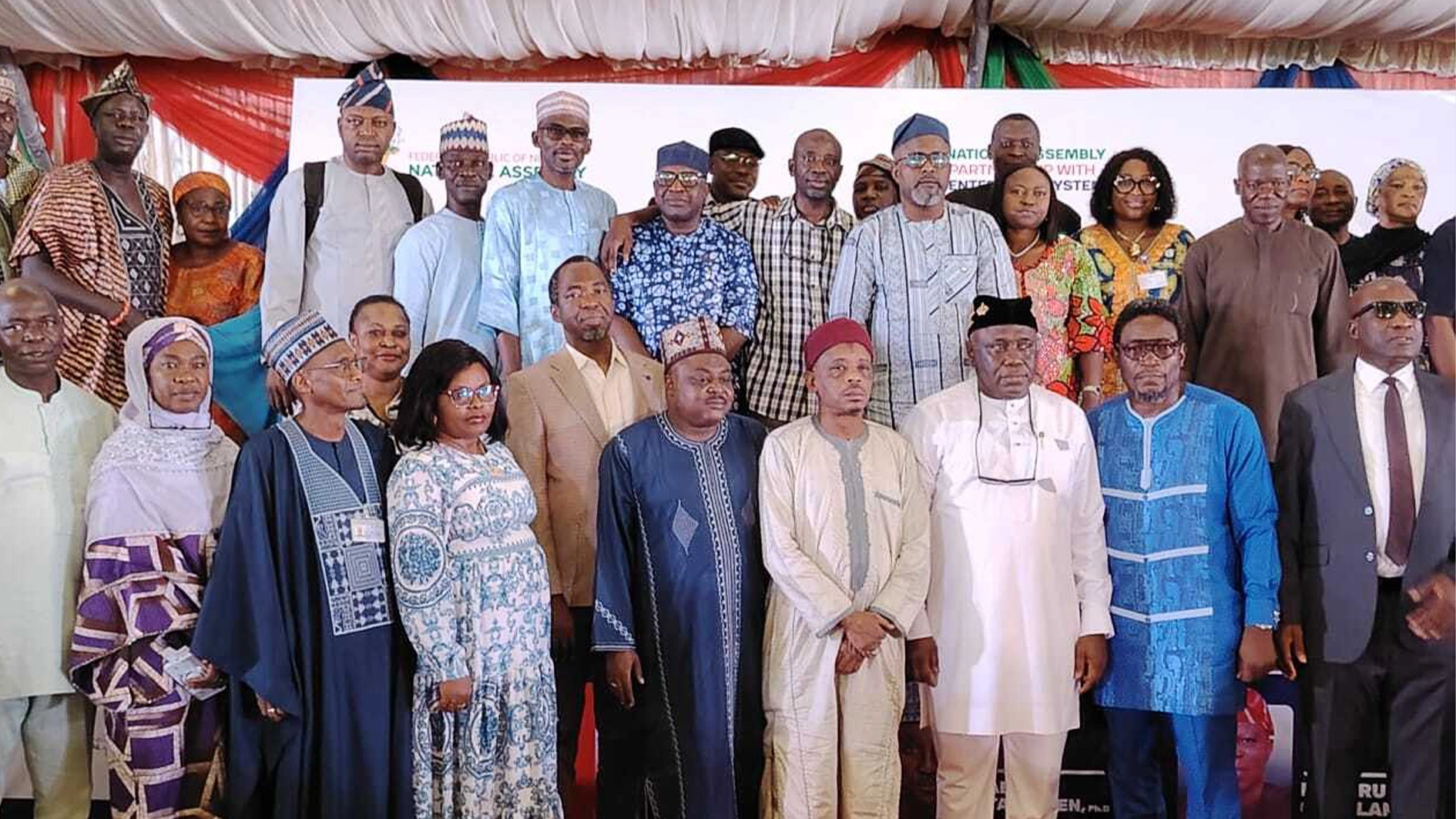
The National Assembly is introducing artificial intelligence (AI) training, among others, to improve legislative efficiency and service delivery, with 3,841 staff members targeted for capacity development as a proposed pension reform for workers awaits consideration by the House of Representatives following its passage by the Senate.
Executive Director of Research Enterprise Systems (RES), Professor Fatai Aremu, disclosed this on Tuesday in Abuja at the opening of a training programme for legislative staff themed, “Enhancing Professional Competence of Staff for Effective Legislative Support and Institutional Excellence.”
Aremu said the programme would equip participants with practical skills in artificial intelligence, team building and financial management to strengthen their capacity to support legislative activities and improve institutional performance.
He explained that AI tools could assist legislative staff in preparing bills, speeches, technical reports and research materials, potentially reducing the time required to complete assignments and improving efficiency.
He, however, cautioned that staff members must understand the limitations and risks associated with AI, particularly when using content generated by the technology for official purposes.
“Staff need to understand that, yes, you can get content from various AI platforms and AI agents, but at the same time, you also need to know that there are limits to it,” he said.

He stressed the need for participants to develop the capacity to assess AI-generated information critically rather than rely on the technology without verifying its accuracy and suitability for legislative work.
Aremu said the training would also address the tendency of officers to work in silos, noting that collaboration and teamwork were essential to achieving better institutional results.
He added that participants would receive updates on financial management instructions, which are periodically revised, to strengthen their professional competence and ensure compliance with applicable procedures.
The RES executive director emphasised that capacity development must be sustained to produce meaningful improvements in staff performance.
“It is a continuous training. When you train one-off like this, you don’t expect magic to happen. You have to build on it, keep on building on it, and it’s a continuous exercise,” he said.
In his keynote address, the Clerk to the National Assembly, Kamoru Ogunlana, said the training was designed to strengthen staff capacity, improve productivity and enhance service delivery to the legislature and the country.
Represented by the Secretary, Human Resources and Staff Development of the National Assembly, Administrator Essien Eyo Essien, Ogunlana disclosed that the exercise targeted all 3,841 staff members currently on the National Assembly’s payroll.
He said management intended to ensure that every staff member benefited from the capacity-building initiative.
According to him, the programme followed a separate training exercise for 3,050 legislative aides, which was completed in August 2026.
Ogunlana disclosed that about 750 staff members were participating in the current session, with participants distributed between two training halls at the Abuja A Class Event Centre.
On the proposed pension reform, the Clerk disclosed that the legislation had been passed by the Senate the previous week and was awaiting consideration by the House of Representatives.
“The Senate has passed it as of last week. The House is expected to pass it this week. So I don’t want to jump the gun for now,” he said.
He declined to provide further details, explaining that the legislative process had not been completed and no new pension law had taken effect.
Ogunlana stressed the importance of establishing a pension arrangement that would guarantee workers confidence and dignity in retirement, rather than leave them uncertain about their future after years of service.
“A staff member’s years of service should culminate not in anxiety about retirement, but in the confidence that their contributions have been valued and that appropriate arrangements exist to support their transition from active service,” he said.
He reaffirmed management’s commitment to staff welfare, career development and improved working conditions, while acknowledging the contributions of the National Assembly leadership and the National Assembly Service Commission to advancing workers’ interests.
The Clerk urged staff members to reciprocate management’s commitment to their welfare through professionalism, discipline, integrity and dedication to duty.
Assessing staff performance, he said personnel had made efforts to contribute to the country’s democratic process but acknowledged that there was still room for improvement.
He described capacity development as a continuous process requiring regular training, self-development and personal commitment.
According to him, the success of the programme would ultimately be measured by improvements in staff knowledge, productivity and service delivery rather than the number of training sessions conducted or certificates issued.
Earlier, the Director of Training and Staff Development, Ike-Chinwo Justina, disclosed that the National Assembly had initiated a comprehensive capacity-building programme for staff on Grade Levels 04 to 17, with the exercise scheduled for completion by the end of 2026.
She commended Ogunlana and his management team for prioritising staff development, describing the initiative as an important step towards strengthening professional competence, administrative efficiency and the quality of legislative support.
Justina said the programme would refresh participants’ knowledge of legislative procedures, sharpen their technical and administrative skills, and encourage the use of technology in discharging their responsibilities.
She described legislative staff as critical to the effective functioning of the National Assembly, stressing that the competence, professionalism, and institutional memory of the bureaucracy were as important as the work of elected lawmakers.
She urged participants to apply the knowledge acquired during the training to their daily responsibilities, reaffirming management’s commitment to sustained capacity development across all staff cadres.

