
 Get Guardian on Google
The Nigerian Copyright Commission (NCC) has begun discussions with the World Intellectual Property Organisation (WIPO) to overhaul Nigeria’s copyright registration system, a move expected to reduce administrative bottlenecks, protect creators’ commercial interests and strengthen the contribution of the creative industry to the economy.
The proposed digital transformation, which could involve the adoption of WIPO’s Intellectual Property Administration System (IPAS), is expected to make copyright registration faster, more transparent and reliable, while providing a verifiable database for establishing ownership of creative works and resolving intellectual property disputes.
The initiative could also improve the business environment for Nigeria’s creative industries, particularly the music, film, publishing and literary sectors, where weak documentation, ownership disagreements and difficulties in establishing intellectual property rights can undermine commercial opportunities and discourage investment.
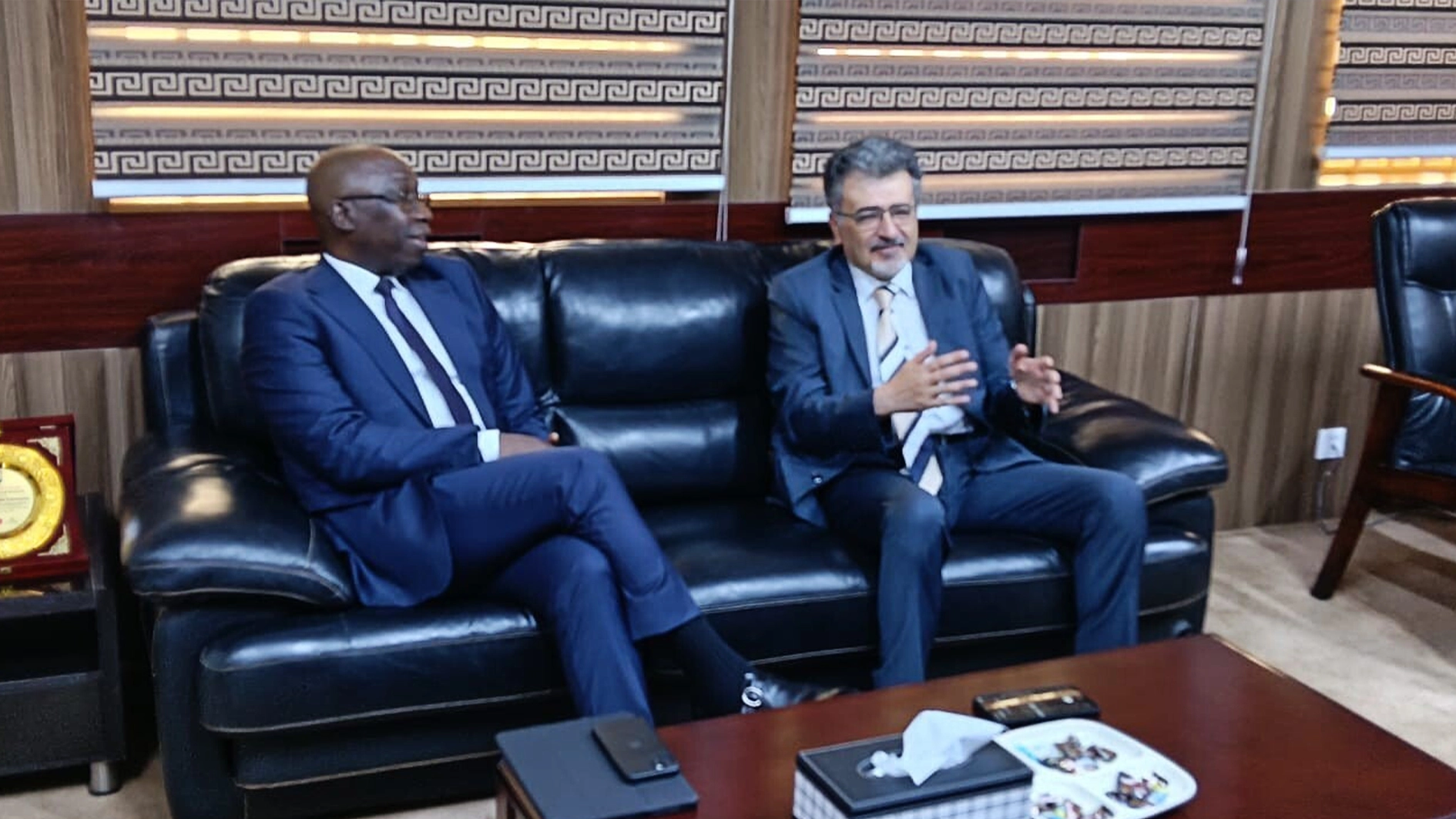
Director-General of the NCC, Dr. John Asein, disclosed the development while receiving a WIPO mission team led by Mr. Hisham Fayed, Head of Global Delivery and Support of Automation Services, at the Commission’s headquarters in Abuja.
Asein said the proposed reform was designed to align copyright administration with the Federal Government’s ease-of-doing-business agenda, particularly the objectives of the Presidential Enabling Business Environment Council (PEBEC), through improved efficiency, simplified application processes and enhanced revenue generation.
He explained that an efficient registration system would reduce the administrative burden on applicants, improve the credibility of copyright records and provide a reliable reference point for courts and district registries in resolving ownership disputes.

For Nigeria’s creative economy, the proposed reform could address one of the institutional challenges facing creators and businesses: establishing credible ownership records that support the protection, licensing, commercialisation and enforcement of intellectual property rights.
According to Asein, the Commission intends to make copyright registration more attractive through appropriate incentives, including a seamless application and processing system.
“The biggest incentive is having a seamless and efficient system to reduce the burden on applicants,” he said.
He added that the WIPO mission would conduct a comprehensive technical and operational assessment of the existing Nigeria Copyright Registration System (NCRS), identify its limitations and determine how the Commission could benefit from IPAS and other digital transformation tools.
The potential economic benefits extend beyond faster registration. A credible and accessible copyright database could strengthen confidence among investors, production companies, publishers and other businesses seeking to acquire, license or commercially exploit creative works.
It could also improve the Commission’s institutional capacity to administer copyright records, support enforcement and expand legitimate registration activities, although the actual revenue gains would depend on implementation, adoption and the effectiveness of the new system.
Speaking on the engagement, Fayed described the mission as a rapid response to the NCC’s request for technical assistance, explaining that WIPO’s Intellectual Property Office Business Solutions Division provides automation services and business solutions to intellectual property offices across its member states.
He identified Nigeria as an important partner, given its position as one of Africa’s leading economies and the strength and diversity of its creative industries.
Fayed said WIPO had expanded its automation solutions over the past two decades beyond industrial property administration to accommodate copyright services.
He disclosed that the latest version of IPAS, known as the Generic Registry, was specifically developed to accommodate copyright administration, with the flexibility to manage different categories of bibliographic information and media formats, including literature and music.
The system could also support other creative sectors, including traditional cultural expressions.
According to him, the proposed digital transformation would focus on reducing processing time, improving staff productivity, strengthening accuracy and service quality, and making copyright registration more convenient for applicants.
The four-day WIPO mission, which commenced on November 9, includes institutional engagements, preliminary and detailed technical assessments of the existing registration system, and consultations with stakeholders to evaluate user experiences and identify service delivery gaps.
It will also examine the suitability of IPAS for copyright administration in Nigeria and identify areas for technical cooperation, culminating in a practical implementation roadmap.
The outcome of the assessment will determine the appropriate digital solutions and implementation framework for modernising Nigeria’s copyright registration system.