
 Get Guardian on Google
Lawmakers divided over FCT rent regulation bill
The House of Representatives has reaffirmed its constitutional powers to summon telecommunications operators over poor service delivery, insisting that the National Assembly has the right to perform oversight functions in the sector.
Their position yesterday in Abuja followed some legal opinions that the National Assembly lacked the power to summon telcos because the NCC regulates the industry.
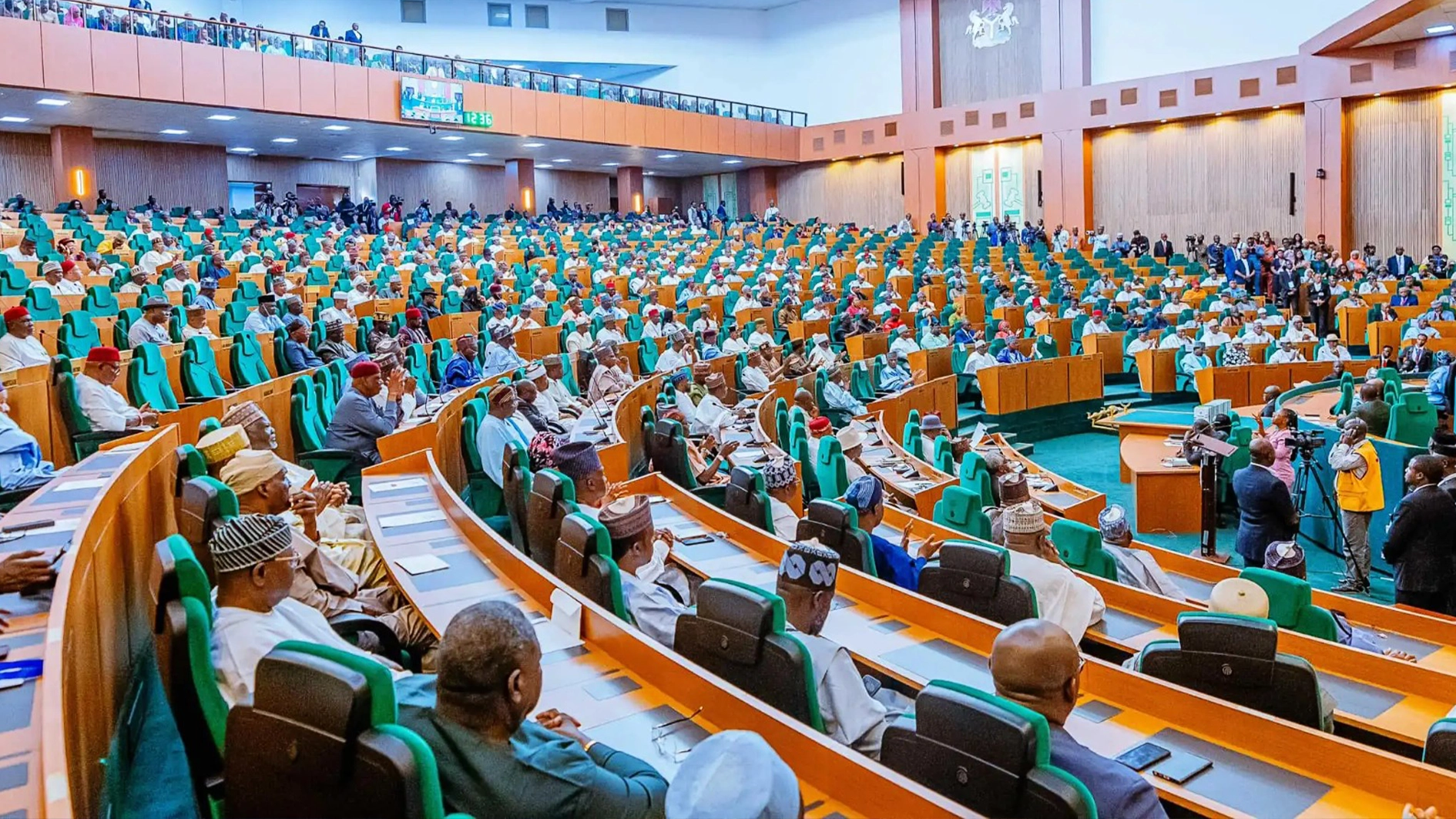
This comes as the House of Representatives yesterday passed a bill for second reading seeking to regulate rental transactions in the Federal Capital Territory (FCT), amid disagreements over its proposed restrictions on multi-year rent payments.
While supporters described the legislation as necessary to protect tenants from exploitation, some lawmakers cautioned against an outright prohibition, arguing that the government should regulate rental arrangements rather than restrict landlords’ choices.
DISPLEASED that the chief executives of telecommunications companies (telcos), who had been summoned to explain the persistent complaints about poor network services, again sent the Licensed Telecommunications Operators of Nigeria (ALTON) to represent them, the lawmakers ordered the association out of the meeting of its Ad Hoc Committee on Telecommunications Service Quality.
The ALTON representatives had also informed the lawmakers that the operators had instituted a court action challenging the summons but decided to attend out of respect for the National Assembly.
However, the committee rejected their request to appear, maintaining that it had specifically invited the individual telecommunications companies as separate corporate entities, not their industry association.
Chairman of the committee, Olumide Osoba, represented by his deputy, Sunday Umeha, insisted that the companies have separate licences and were expected to account individually for their operations.
The lawmakers accused ALTON of interfering with the legislative process by repeatedly appearing despite the committee’s earlier directive that it was not invited. They warned that any further unauthorised appearance could attract detention.
Speaking with newsmen afterwards, Osoba said the investigation was prompted by widespread complaints from subscribers about deteriorating network services and operators’ failure to deliver value for money.
He also identified the 2027 general elections as another reason for the investigation, given the dependence of some electoral processes and devices on telecommunications networks.
SPONSORED by the member representing Enugu East/Isi-Uzo Federal Constituency of Enugu State, Paul Nnamchi, the bill seeks to regulate advance rent payments, control arbitrary rent increases and agency charges, and establish a digital register for housing agents.
Leading the debate, Nnamchi said excessive rental demands had placed enormous financial pressure on residents, which affects household savings, businesses and employment opportunities.
He explained that the proposed legislation would promote transparency and accountability while protecting the interests of landlords, tenants and estate agents.
However, some lawmakers questioned the proposed restrictions on multi-year rent arrangements, insisting that the legislation should accommodate reasonable agreements between landlords and tenants.
In his closing remarks, Deputy Speaker Benjamin Kalu acknowledged the constitutional concerns but cited Section 16 of the Constitution, which provides for citizens’ welfare and adequate shelter. He argued that housing, as an essential need, justified the government’s intervention in the market.
The House subsequently passed the bill to a second reading, paving the way for further legislative scrutiny and stakeholder input.