 Follow Us on Google News


 Follow Us on Google Discover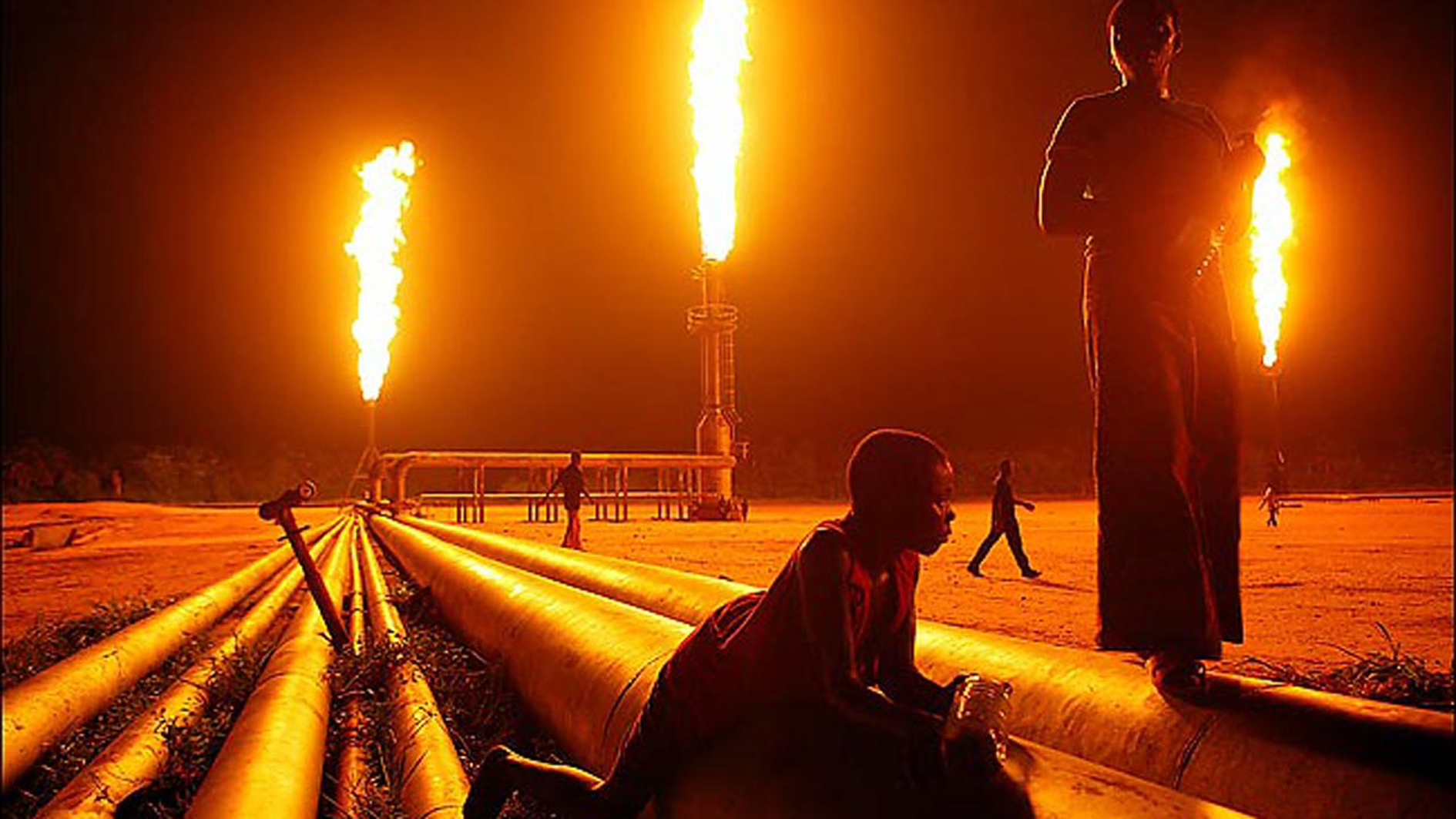
Stakeholders in the Niger Delta have insisted that 2027 election campaigns should prioritise environmental concerns and the restoration of the region’s degraded ecosystem.
They urged political aspirants seeking elective offices to make clear commitments on how they intend to address decades of oil pollution, gas flaring, environmental degradation and the loss of livelihoods across the region.
The stakeholders spoke in Port Harcourt yesterday during a regional dialogue on Niger Delta Environmental Clean-up: Issues and Way Forward, organised by the Miideekor Environmental Development Initiative (MEDI).
Executive Director of MEDI and frontline environmentalist, Celestine Akpobari, said the people of the Niger Delta should use their votes to demand concrete commitments from politicians on environmental restoration.
He said: “Who will solve our problem should have our vote. Our vote should not just be as we used to give. People must make commitments.
“Like late former President Muhammadu Buhari told the Ogoni people, saying: ‘If I win, I will do the clean-up,’ and he won and showed commitment by starting the process “
Akpobari said politicians seeking the votes of Niger Delta residents must explain what they would do to restore the environment and improve infrastructure in oil-producing communities.
He criticised the Federal Government’s approach to development in the region, noting that “difficult terrain” was often cited as an excuse when communities demanded infrastructure, even though the same challenge did not prevent oil exploration and production.
According to him, a journey from Warri to Benin that should take about 20 minutes can take several hours because of poor infrastructure.
He urged the Federal Government to give the Niger Delta the same attention being given to development projects in other parts of the country.
Meanwhile, the Bayelsa governorship aspirant for the All Progressive Grand Alliance (APGA), Dr Domor Mienye, has called for what he describes as “industrial justice” for the Niger Delta, saying the region’s next phase of development must focus on building industries, creating jobs and expanding economic opportunities after 70 years of commercial oil production.
Mienye’s remarks followed recent reflections by former President Goodluck Jonathan and Bayelsa State Governor, Douye Diri, on 70 years of oil exploration in the Niger Delta, a discussion that has renewed attention on the region’s development and future.
According to him, the Niger Delta’s struggle has rightly centred on environmental justice and fair resource allocation, but noted that the time has come to add a third objective—industrial justice.
“Environmental justice addresses what oil has taken from us. Fiscal justice ensures we receive our fair share. Industrial justice is about what oil should build for us. After 70 years, the Niger Delta deserves industries, not just oil wells; sustainable jobs, not just monthly allocations.”
Mienye said the region should continue demanding environmental remediation, fairness and accountability from the Federal Government and oil companies, but insisted that Niger Delta states must also take greater responsibility for transforming the revenues already received into lasting economic opportunities.
“Bayelsa and other Niger Delta states have received substantial revenues through FAAC and the 13 per cent derivation over the years. Those resources should have laid the foundation for industrial estates, gas processing, petrochemicals, agro-processing, technology hubs and thousands of sustainable jobs. While we continue to demand what is rightfully ours, we must also ask ourselves whether we have done enough with what we have already received.”
He identified the Brass Industrial Corridor, Agge Deep Seaport, gas-based industries, the blue economy, commercial agriculture and technology-driven enterprises as strategic projects capable of transforming Bayelsa into an industrial hub if pursued through disciplined leadership, long-term planning and stronger partnerships with the private sector.
Mienye maintained that the next chapter of the Niger Delta should not be defined only by crude oil production or environmental challenges, but by the industries built, investments attracted and opportunities created for future generations.

