 Follow Us on Google News


 Follow Us on Google Discover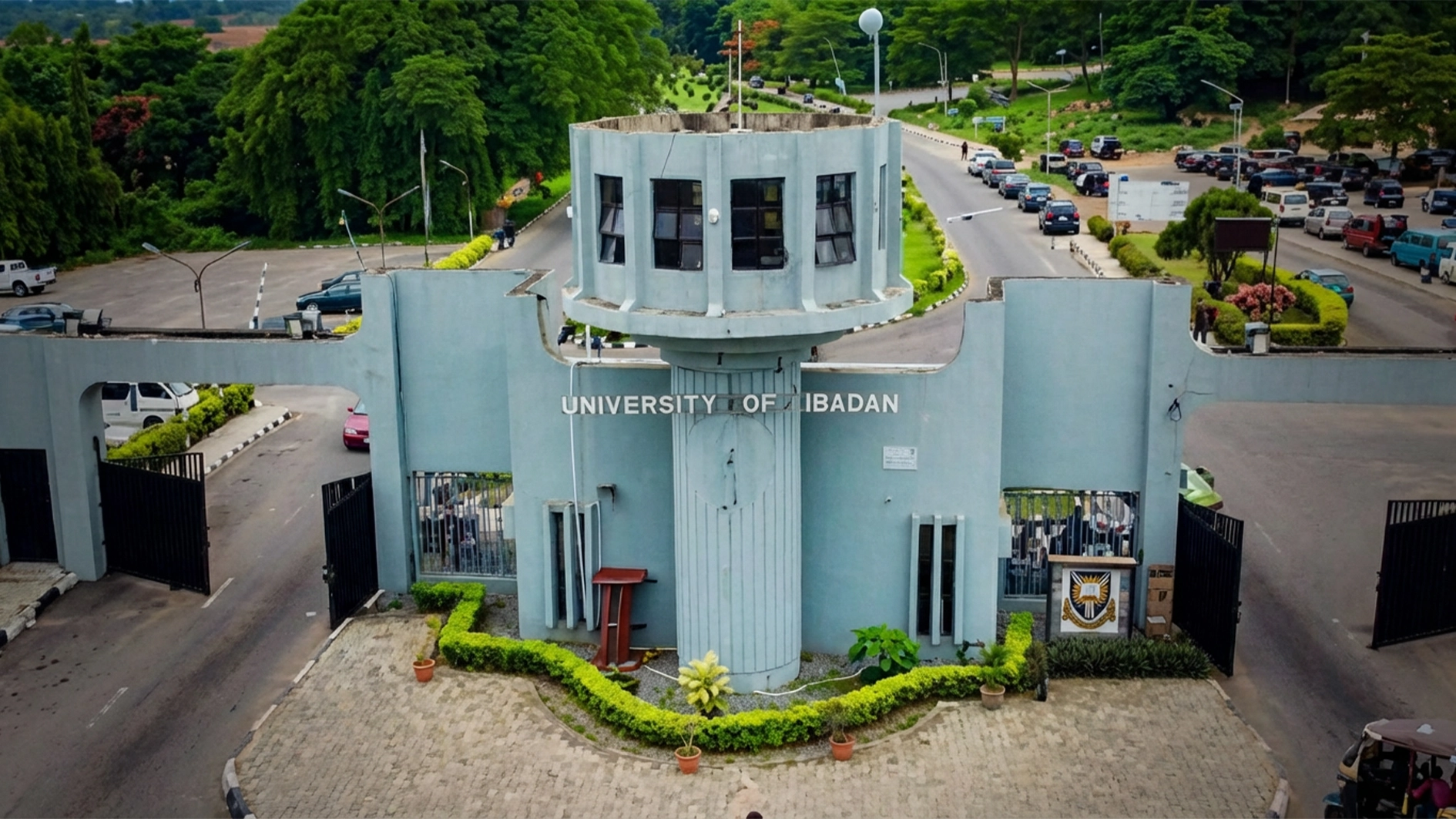
Nigeria’s quest for sustainable economic growth may remain elusive unless universities deliberately translate research findings into commercially viable products and innovations, the Vice Chancellor of the University of Ibadan, Professor Kayode Adebowale, has warned.
Adebowale, who was represented by the Deputy Vice-Chancellor (Administration), Prof. Peter Olapegba, spoke at the 2026 Facilitators’ Retreat of the University of Ibadan School of Business (UISB), where he stressed that academic research must move beyond journals and departmental shelves to become drivers of industrial transformation.
The two-day retreat, organised by the Department of Business, Entrepreneurship and Executive Education, was held at the Redemptorist Spirituality/Retreat Centre, Liguori House, Ibadan, with the theme: “Driving Excellence, Relevance and Impact of Business Education at UISB.”
According to the Vice Chancellor, research that fails to impact industry and society cannot catalyse meaningful national development.
“Research must not end in departments. We must turn our research into products and innovations that can be taken up by industry. That is how growth happens,” he said.
He acknowledged that universities often lack the financial muscle to commercialise research outputs but noted that strategic partnerships with industry players could bridge the funding gap.

“The university may not have the funds to transform research into finished products. But when industry sees what has been developed, they can show interest, take it up and make it commercially viable,” Adebowale added.
Describing a business school as “an unusual school,” the Vice Chancellor emphasised that unconventional results require innovative teaching methodologies and industry-driven programmes. He called for curriculum reforms that reflect real-time industry challenges and prepare graduates to address both immediate and emerging economic realities.
“We are training people for the business world. We must go to the industry, ask them their problems and use those problems to shape our curriculum. By the time we turn out our students, they should be equipped to solve those challenges,” he said.
Also speaking, the Provost of the Postgraduate College, Prof. Ayodeji Ogunjuyigbe, underscored the need for stronger collaboration among academia, industry, and government to achieve meaningful commercialisation of research in Nigeria. He observed that many industries operating in the country are foreign-driven, with research centres located abroad, limiting opportunities for local innovation uptake.
“If there is no commitment from the major stakeholders, we cannot go anywhere. Academia produces ideas consistently, but industry must believe in the academic system and take up those ideas,” Ogunjuyigbe said.
Former Vice-Chancellor of UI, Prof. Olufemi Bamiro, lamented that many Nigerian research outputs remain underutilised, urging industry players to invest in local innovations.
“It is painful to see researchers wasting away. What moves a nation is when people come in to capitalise and commercialise research outputs,” Bamiro said.
Earlier, the Head of the Department of Business, Entrepreneurship and Executive Education, Dr Omitoyin Siyanbola,
said the retreat was convened to reassess the direction of the School of Business in a rapidly evolving global environment. She disclosed that the MBA curriculum is undergoing review to align with emerging industry trends and global standards, with greater emphasis on research commercialisation.
She also called on the government to ensure policy consistency and create a conducive environment to support innovation and business education.

