 Follow Us on Google News
 Follow Us on Google Discover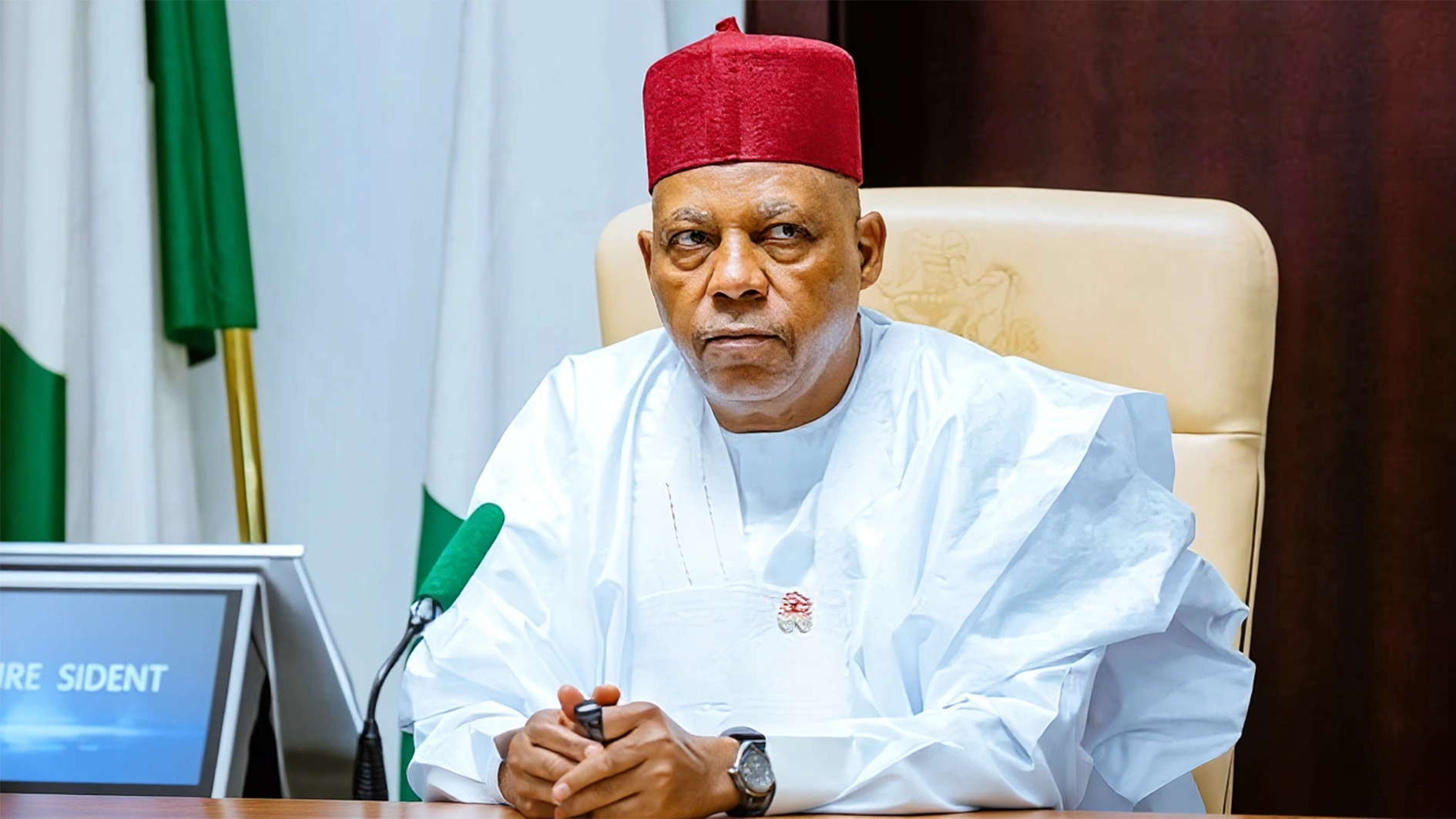
* Shettima: Food dependency threatens sovereignty, Nigeria, Ethiopia can feed Africa
* VP targets 20b trees, adopts Ethiopia’s farm transformation model
Nigeria is stepping up efforts to transform agriculture into a major engine of economic growth, with the Federal Government focusing on infrastructure, mechanisation, improved seeds and climate-smart farming to unlock the country’s vast agrifood potential.
The government also plans to draw extensively from Ethiopia’s agricultural transformation experience, particularly the Oromia model, which Vice President Kashim Shettima described as a template for Africa’s drive towards food self-sufficiency.
Shettima spoke yesterday while leading the Nigerian delegation on a tour of farms and agricultural facilities in Ethiopia’s Oromia Regional State as part of the Ethiopia-Nigeria Leadership Exchange.
The Vice President said Nigeria’s agricultural strategy would increasingly focus on eliminating supply-chain and logistics bottlenecks, reducing investment risks and creating the infrastructure needed to support large-scale commercial farming and agro-processing.
He said the ultimate objective was not merely to increase food production but to achieve food sovereignty, warning that excessive dependence on imported food could undermine a nation’s independence.

He identified Ethiopia’s progress in wheat production as a major lesson for Nigeria, noting that the country had moved from spending about $1 billion yearly on wheat imports to achieving self-sufficiency and generating surpluses for export to neighbouring countries, including Djibouti and Kenya.
He also cited Ethiopia’s progress in rice production, describing the country’s growing self-sufficiency as evidence that sustained investment in modern agriculture could rapidly transform food systems.
According to him, Nigeria intends to adapt the Ethiopian experience through the deployment of improved seeds, mechanisation, climate-smart agriculture and modern production techniques.
Shettima said stronger agricultural cooperation between Nigeria and Ethiopia could have implications far beyond the two countries, given their combined population of more than 400 million people.
The Vice President expressed optimism that the agricultural transformation underway in Ethiopia could mark the beginning of a broader economic renaissance across Africa.
Shettima also disclosed that Nigeria would launch a massive tree-planting campaign from the next rainy season, targeting 20 billion trees, in an effort to strengthen environmental restoration while generating economic and livelihood opportunities.
He said the initiative would draw lessons from Ethiopia’s Green Legacy Initiative, which has mobilised citizens around large-scale tree planting and environmental restoration.
He said Nigeria would seek to adapt elements of Ethiopia’s experience to its own environmental and agricultural circumstances.
Earlier, the President of the Oromia Regional State, Shimelis Abdisa, outlined the region’s agricultural transformation and its growing contribution to Ethiopia’s economy.
Abdisa said more than 200 crop varieties were cultivated across Ethiopia, while the country had expanded agricultural exports, including bananas, avocados and coffee.
According to him, wheat production alone generates more than $3.1 billion yearly for Ethiopia, adding that the country’s wheat was increasingly competitive in the international market.
The Vice President said Nigeria would continue to deepen cooperation with Ethiopia, particularly in areas where the two countries could leverage their respective agricultural strengths to improve food security, create jobs and strengthen economic resilience across Africa.

