 Follow Us on Google News


 Follow Us on Google Discover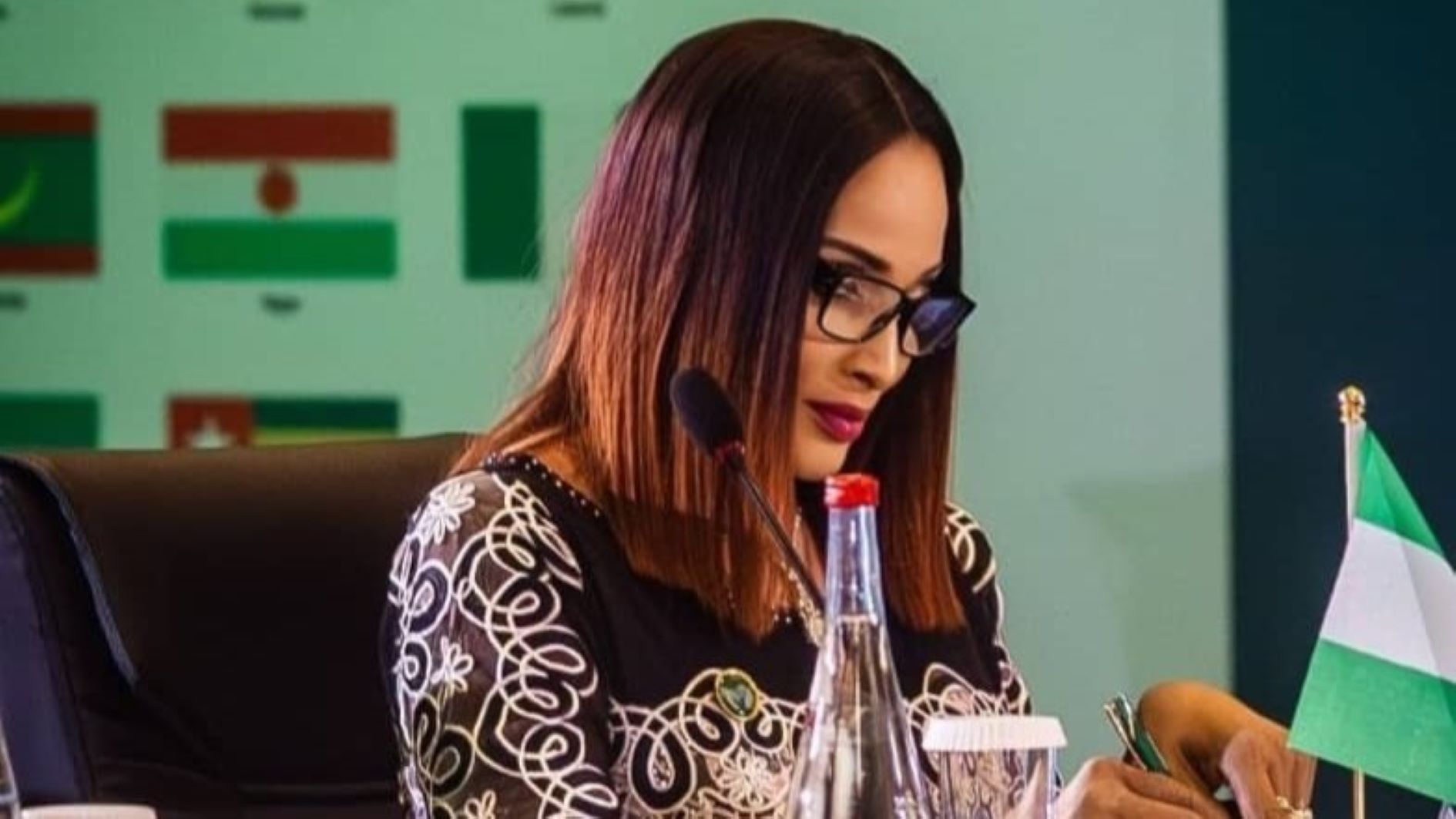
Nigeria has called for greater investment by German businesses in renewable energy, digital technology, manufacturing, critical minerals and other priority sectors as both countries moved to deepen their long-standing strategic partnership.
The appeal came on Wednesday during a bilateral meeting between the Minister of Foreign Affairs, Ambassador Bianca Odumegwu-Ojukwu, and Germany’s Federal Minister for Foreign Affairs, Johann Wadephul, in Abuja.
The meeting focused on expanding cooperation in trade, investment, infrastructure, security, education, technology and regional stability, with both ministers reaffirming their commitment to strengthening ties between the two countries.
Welcoming the German delegation, Odumegwu-Ojukwu described Germany as one of Nigeria’s most important strategic partners in Europe, noting that relations between both countries have continued to grow beyond diplomacy to encompass trade and investment, renewable energy, education, vocational training, science and technology, migration, culture, peace and security.
“The partnership had become even more important at a time when the world faces terrorism, violent extremism, climate change, irregular migration, food insecurity and economic uncertainty,” Odumegwu-Ojukwu said.
The minister said Nigeria remained committed to building a stronger relationship with Germany that would deliver tangible benefits to both countries while promoting regional peace, security and sustainable development.

She identified renewable energy, digital innovation, artificial intelligence, critical minerals, manufacturing, agriculture, healthcare, infrastructure development and the green economy as sectors with enormous opportunities for expanded collaboration.
Highlighting President Bola Tinubu’s economic reform agenda, Odumegwu-Ojukwu urged German investors to take advantage of the opportunities available in Nigeria.
“Economic diplomacy remains a key pillar of Nigeria’s foreign policy. We therefore encourage greater participation by German businesses in Nigeria’s priority sectors, including renewable energy, manufacturing, critical minerals, transport infrastructure, agriculture, digital technology and industrial development,” she said.
The minister also noted the importance of strengthening cooperation in education and skills development, describing Germany’s expertise in vocational education as an area Nigeria hopes to leverage.
“Germany’s global reputation for excellence in technical and vocational education presents significant opportunities for collaboration that will equip our young people with the skills required to compete successfully in an increasingly knowledge-driven global economy,” she said.
Odumegwu-Ojukwu praised the Nigeria-Germany Bi-national Commission, describing it as the cornerstone of bilateral engagement.
She also expressed appreciation for Germany’s longstanding support for the Economic Community of West African States (ECOWAS), particularly in promoting regional integration, democratic governance, conflict prevention and humanitarian assistance.
According to her, Nigeria looks forward to even closer collaboration with Germany in tackling terrorism, violent extremism and transnational organised crime across West Africa.
In his remarks, Wadephul reaffirmed Germany’s commitment to strengthening relations with Nigeria, recalling that Germany opened its embassy in Lagos just three days after Nigeria gained independence in 1960, marking more than 65 years of diplomatic relations.
He noted that Nigeria remains Germany’s largest bilateral trading partner in Africa and disclosed that trade between the two countries grew by 10 per cent last year.
“The Nigeria-Germany Business Forum will continue to deepen trade between our countries,” Wadephul said, adding that he expected “many more German investors” to invest in Nigeria following his visit.
The German foreign minister, who was accompanied by senior government officials and business leaders, also expressed Germany’s interest in Nigeria’s energy sector and commended the Nigeria-Germany Bi-national Commission for strengthening bilateral cooperation.
He further reaffirmed Germany’s commitment to supporting ECOWAS in addressing insecurity, terrorism and violent extremism in the Sahel and across West Africa.
Wadephul said he looked forward to working closely with Odumegwu-Ojukwu to further deepen the strategic partnership between both countries, describing Nigeria as a key partner in Africa.

