
 Get Guardian on Google
The Human Rights Writers Association of Nigeria (HURIWA) has condemned the multiple toll gates on the Keffi–Lafia–Makurdi highway, warning that repeated charges could push up transportation costs, increase food prices and worsen the economic hardship facing millions of Nigerians.
The association said the tolling arrangement was placing additional financial pressure on motorists, commercial transport operators, farmers, traders and businesses already struggling with high fuel prices, rising operating costs and declining purchasing power.
It warned that the consequences would extend beyond road users in Nasarawa and Benue states, as higher costs of transporting agricultural produce along the corridor could eventually translate into more expensive food items in markets across the country.
In a statement issued yesterday and signed by its National Coordinator, Emmanuel Nnadozie Onwubiko, HURIWA described the arrangement as burdensome, particularly because motorists are required to make payments at multiple points along the same highway.
The association called on President Bola Tinubu and the Federal Ministry of Works to immediately suspend toll collection pending an independent review of the policy, the condition of the road and the payment system.
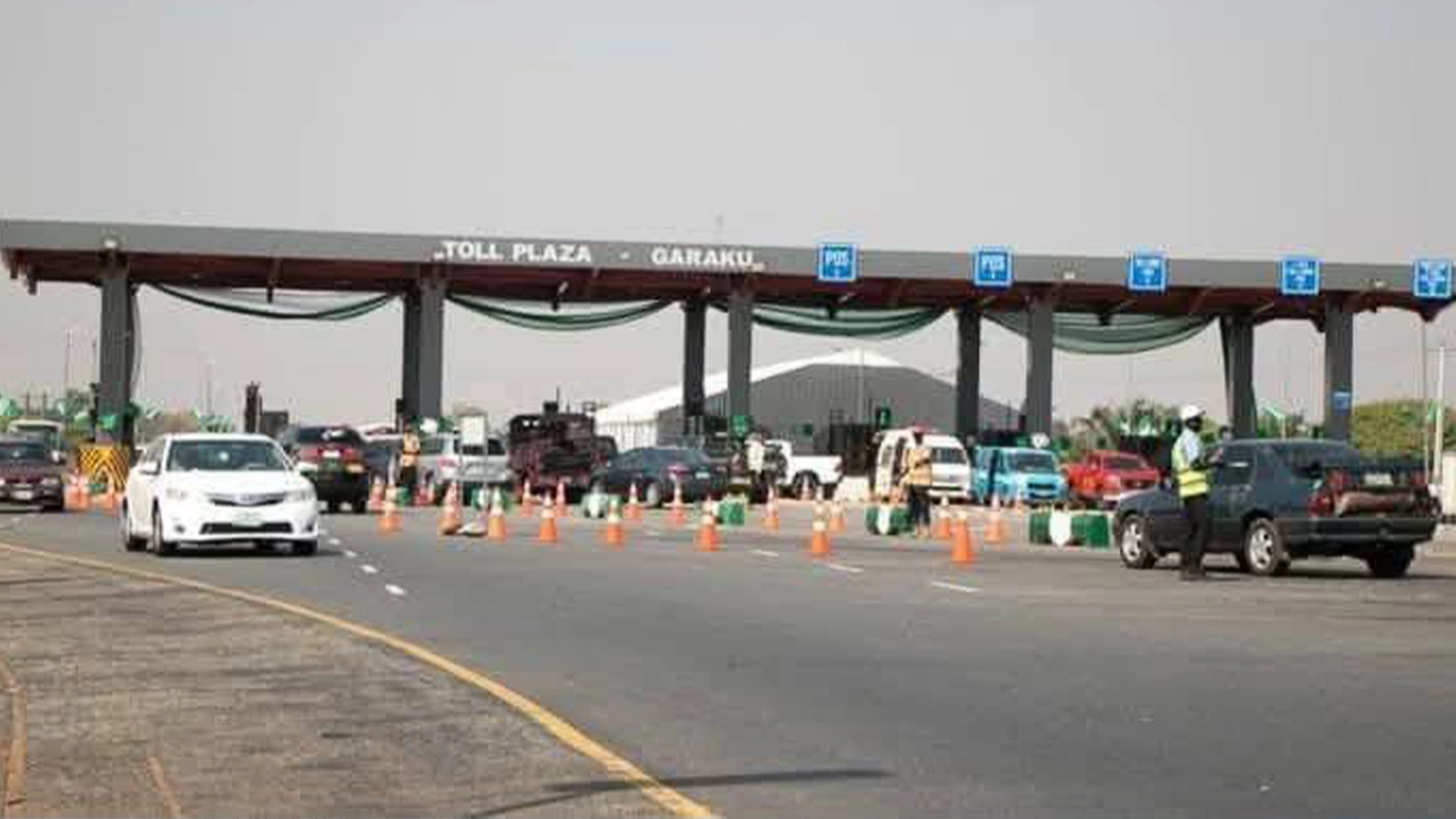
According to HURIWA, the Federal Government commenced toll operations on February 4, 2025, along the 227.2-kilometre Abuja–Keffi–Akwanga–Lafia–Makurdi highway, with four principal toll locations covering Keffi, including Garaku, Akwanga, Lafia and Makurdi.

Under the approved fee structure, saloon cars pay N500 at each toll point, SUVs and jeeps N800, minibuses and light buses N1,000, while trucks, buses and multi-axle vehicles pay N1,600.
The association observed that a motorist driving a saloon car through all four toll points could spend N2,000 on a one-way journey and N4,000 on a return trip, assuming payment is required at every plaza in both directions.
For commercial operators and heavy-duty vehicles, it said, the cumulative charges could be substantially higher.
HURIWA argued that transport operators would inevitably pass the additional expenses to passengers and consumers through increased fares and the prices of goods and services.
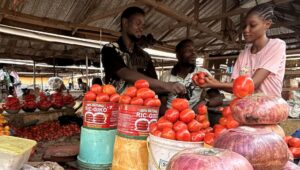
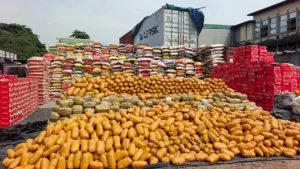
It expressed particular concern about the implications for food prices, noting that the highway serves as a major transportation link connecting farming communities, agricultural markets and distribution centres in Nasarawa and Benue, two important food-producing states in the North-Central region.
The association said farmers, produce merchants, wholesalers and transporters depend on the route to move agricultural commodities to different parts of the country, warning that additional toll charges could increase the cost of moving food from farms to consumers.
It added that small-scale traders and transport businesses, which operate on relatively narrow profit margins, could suffer further losses as operating expenses continue to rise.
Beyond the financial burden, HURIWA questioned the quality of the highway, citing complaints by road users about peeling road surfaces, deteriorating sections and poorly constructed culverts and drainage structures.
It alleged that some sections began showing signs of deterioration even before toll collection commenced, while certain drainage structures reportedly failed within the road’s first year of use, leaving parts of the highway impassable for weeks.
The association said the complaints, if substantiated, raised questions about construction quality, project supervision, contractual compliance and maintenance arrangements.
It insisted that motorists should not be made to pay for the use of infrastructure whose durability and maintenance standards remain questionable.