 Follow Us on Google News


 Follow Us on Google Discover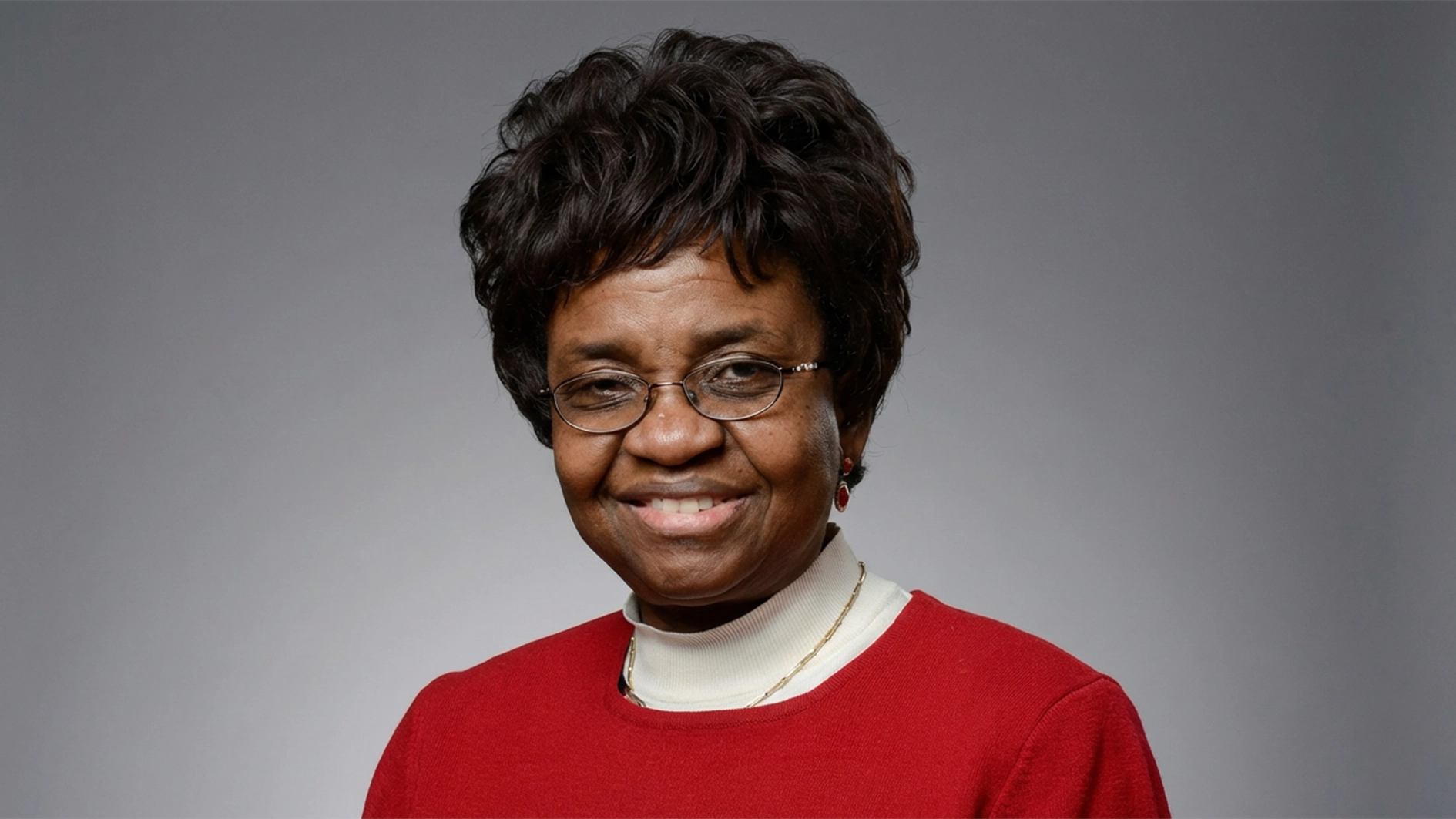
…Describes social media videos, claims as fake, overly sensational
…Our mandate is only for semi-processed, processed foods’
DIRECTOR-GENERAL, National Agency for Food and Drug Administration and Control (NAFDAC), Professor Mojisola Adeyeye, has described as fake and overly-sensational, videos making the rounds on social media from Nigerians calling out fake and substandard foods and products.
Speaking as a special guest of honour at the Nigerian Institute of Food, Science and Technology (NIFST) 50th conference and Annual General Meeting held in Lagos yesterday, the DG dismissed the videos, noting that they are untrue and lack substance.
“Many of those videos seen on social media are untrue. Nigerians have to be careful regarding what they see posted on social media because many are simply posting untrue things there.”
Speaking further at the conference themed, Transforming Food Research into Enterprise through Innovation and Commercialisation, the DG stressed that NAFDAC’s activities are strictly for semi-processed and fully processed foods.
“Nigerians think we are in charge of everything from amala, pounded yam, fufu and so on but we are not. Our mandate is only for semi-processed and processed foods.
“Even processed food that is sold in the supermarkets, if the manufacturers do not come through us, the tendency of getting a bad product is very high. A manufacturer in Abuja for instance was given three NAFDAC numbers for there products he presented to us. After getting approved for the three products, he went and made six products and used the three numbers for the six. Nigerians are the ones making bad food and products for ourselves and we start calling NAFDAC after. How can you use three approved numbers for six products?”
“Even for processed foods, we work day and night to ensure that what is being sold to Nigerians meets the right standards and is safe.
“From farm to fork, there are many players in the food chain. Ministry of Agriculture and Nigerian Quarantine Service are supposed to take care of the early parts before we come in.
“However, we need more collaboration in Nigeria. No single agency can do it all and we need to collaborate amongst ourselves. Those supposed to take care of produce should do so. They should be active in making sure that our foods come out right for our people.”
She urged Nigerians to be more vigilant and work with them to eradicate fake and substandard goods and food in the market. “If you see anyone doing something questionable, call us so that the again charge can do their work. It is a collective responsibility that needs all hands on deck. Nigerians must understand that each agency has its mandate and we have too much on our hands already to start doing somebody else’s job,” she said.
Lamenting that the agency is understaffed and overworked, she said their staff strength is just slightly over 2000 people serving 240 million Nigerians. “The number is insufficient to cater to everyone. Divide 240 million by 2000, you can see it’s not sufficient. Nigerians should call our call centre and report irregularities in the markets or anywhere. Whatever you see on social media is usually blown out of proportion. You know whatever gets there is taken out of context and is rapidly shared.”
Speaking on local foods, she said Nigerian foods are medicinal and impact life quality. “Nigerians, especially Yorubas, use a lot of oil in their soups. This is dangerous and cause fatty acid to build up, which leads to cardiovascular problems later on. We must reduce salt intake in food, excess sugar and additives.
“We are working round the clock for Nigerians and public health. I tell my staff that Nigerians lives are in their hands. I tell them that when they go for inspection or in the laboratory, they must do the right thing. We know and understand we are dealing with life and death and that is how we approach Nigerians’ health and safety.”


