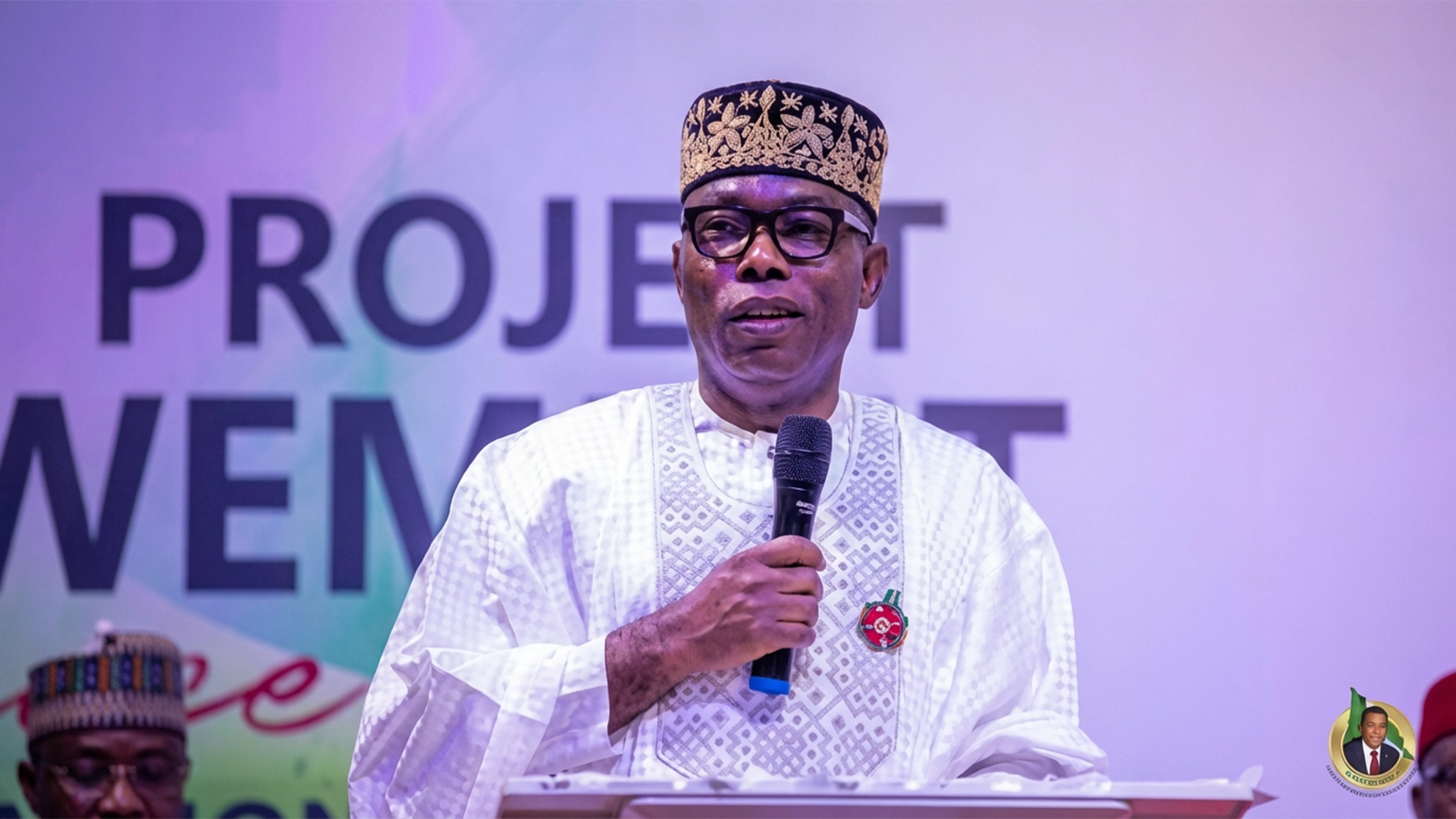
The African Centre for Justice and Human Rights (ACJHR) has commended President Bola Ahmed Tinubu and the Chairman of the Federal Inland Revenue Service (FIRS), Mr Zacch Adedeji, for the successful implementation of Nigeria’s new tax reform bills, describing the initiative as one of the country’s most significant economic achievements in recent history.
In a statement issued by ACJHR Director of Policy and Strategy, Iloabuchi Mirabel Chinenye, the Centre said the reforms reflect “bold leadership, strategic thinking, and a genuine commitment to addressing Nigeria’s long-standing fiscal challenges.” It added that the measures mark a decisive move away from an inefficient, leak-prone tax system towards a transparent, growth-driven framework capable of repositioning the national economy.
“For decades, Nigeria’s economic development has been hindered by weak revenue mobilisation, tax evasion, multiple taxation, and overdependence on oil revenues,” the statement said. “The new tax regime directly confronts these challenges by widening the tax net, improving compliance, and ensuring fairness without placing undue burden on ordinary Nigerians.”
ACJHR praised President Tinubu for demonstrating “uncommon political will by driving a reform that previous administrations avoided,” adding that “the courage to implement these tax bills, despite initial resistance, shows a deep understanding that sustainable economic growth must be built on strong domestic revenue generation.”
The Centre also singled out Zacch Adedeji for “exceptional technocratic leadership” at FIRS, noting his critical role in translating policy into effective implementation.
“Under the leadership of Mr Zacch Adedeji, the FIRS has shown professionalism, transparency, and efficiency. The clarity in implementation and engagement with stakeholders has helped build confidence in the new tax framework,” ACJHR said.
According to the Centre, the reforms are expected to deliver far-reaching benefits, including increased government revenue to fund infrastructure, healthcare, education, and social welfare, while also boosting investor confidence and strengthening Nigeria’s fiscal sovereignty.
The group called on Nigerians to exercise patience and support the reforms, stressing that short-term adjustments are necessary for long-term economic stability and national prosperity.
“No great economy is built without sacrifice. Nigerians must see this reform not as a burden, but as a collective investment in a stronger, fairer, and more prosperous nation,” the statement added.
ACJHR further urged relevant government agencies to maintain transparency, accountability, and continuous public sensitisation to ensure that the gains of the tax reforms are fully realised and equitably distributed.