The United States has partially suspended the issuance of immigrant and non-immigrant visas to Nigeria and 14 other countries, citing concerns on radical Islamic terrorist groups such as Boko Haram and the Islamic State operating freely in certain parts of the West African country.
Specifically, the classes of visas affected include the B-1, B-2, B-1/B-2, F, M, and J Visas.
President Donald J. Trump, on Monday, signed a proclamation expanding and strengthening entry restrictions on nationals from countries with demonstrated, persistent, and severe deficiencies in screening, vetting, and information-sharing to protect the country from national security and public safety threats.
The United States also cited the Overstay Report, noting that Nigeria had a B-1/B-2 visa overstay rate of 5.56 per cent and an F, M, and J visa overstay rate of 11.90 per cent.
The Proclamation includes exceptions for lawful permanent residents, existing visa holders, certain visa categories like athletes and diplomats, and individuals whose entry serves U.S. national interests. It narrows broad family-based immigrant visa carve-outs that carry demonstrated fraud risks, while preserving case-by-case waivers.
While the proclamation continues the full restrictions and entry limitations of nationals from the original 12 high-risk countries established under Proclamation 10949: Afghanistan, Burma, Chad, Republic of the Congo, Equatorial Guinea, Eritrea, Haiti, Iran, Libya, Somalia, Sudan, and Yemen, it adds full restrictions and entry limitations on 5 additional countries based on recent analysis: Burkina Faso, Mali, Niger, South Sudan, and Syria.
On October 31, the U.S. President Trump redesignated Nigeria as a “Country of Particular Concern (CPC)” for the persecution of Christians by violent Islamic groups.
In a Truth Social post, Trump hinted that the US will immediately stop all aid and assistance to Nigeria and may very well go into the country, “guns-a-blazing,” and that the military intervention “will be fast, vicious, and sweet, just like the terrorist thugs attack our cherished Christians.”
In his first term, President Trump imposed travel restrictions that restricted entry from several countries with inadequate vetting processes or that posed significant security risks.
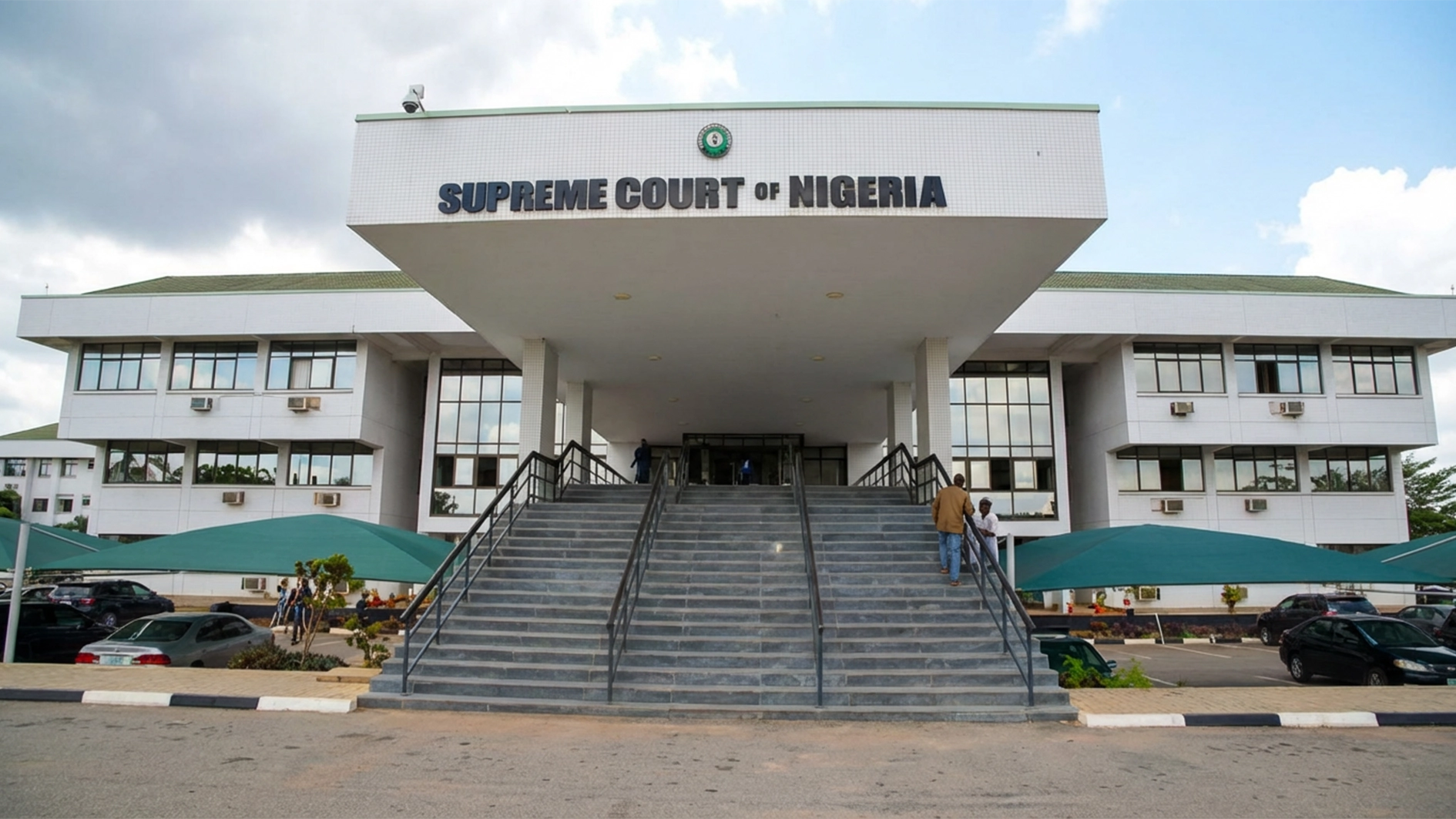
The Supreme Court upheld the travel restrictions put in place in the prior Administration, ruling that it “is squarely within the scope of Presidential authority” and noting that it is “expressly premised on legitimate purposes”—namely, “preventing entry of nationals who cannot be adequately vetted and inducing other nations to improve their practices.”
Trump in recent weeks has used increasingly loaded languages in denouncing African-origin immigrants.
At a rally last week he said that the United States was only taking people from “shithole countries” and instead should seek immigrants from Norway and Sweden.
In June 2025, President Trump restored the travel restrictions from his first term, incorporating an updated assessment of current global screening, vetting, and security risks.