 Follow Us on Google News


 Follow Us on Google Discover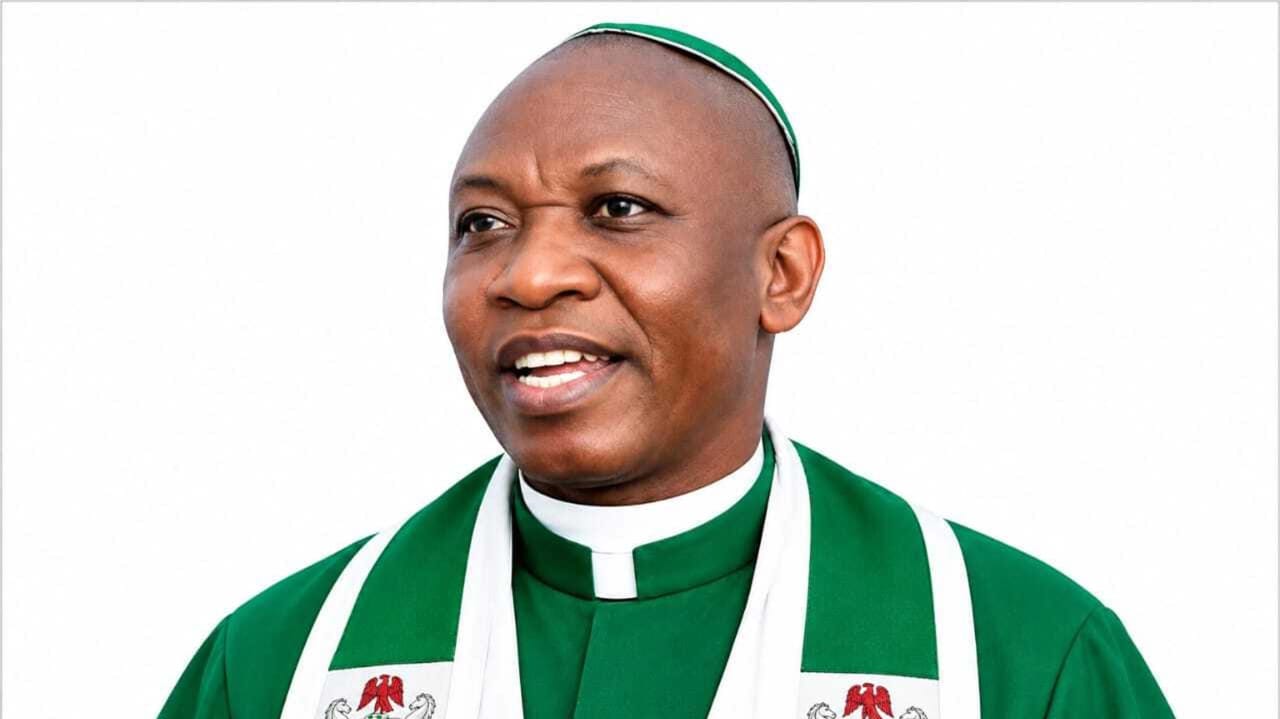
As Nigeria marks its 66th Independence anniversary, the President of the International Fellowship of Ecumenical Ministries, Archbishop Osazee Williams, has called for the national anthem to be used more deliberately in schools to teach national unity, civic responsibility and peaceful coexistence.
Williams, in a statement on Thursday, said the words of Nigeria, We Hail Thee should go beyond routine recitation at school assemblies and be explained to pupils and students as part of civic education.
He said the anthem contained important messages about unity, service, responsibility and shared national identity that could help young Nigerians appreciate the country’s ethnic, religious and regional diversity.
According to him, the line, “Though tribe and tongue may differ, in brotherhood we stand,” offers an important lesson for a country with diverse identities.
Williams said pupils should be taught that brotherhood goes beyond acknowledging differences, stressing that it requires citizens to recognise one another as fellow Nigerians and work together despite their differences.
“We are teaching them to sing a song of hope without understanding the weight of its promise,” he said, arguing that reducing the anthem to memorisation without understanding its message undermined its potential as a tool for nation-building.

The cleric described the anthem as “a national covenant” containing a prayer for Nigeria, a commitment to fellow citizens and an expression of the country’s aspirations.
He said the opening line, “Nigeria, we hail thee, our own dear native land,” could be used to encourage pupils to learn about the country’s history and develop a deeper appreciation of their national identity.
Williams also drew attention to the line, “Nigerians all, and proud to serve our sovereign Motherland,” saying it could provide a basis for teaching young Nigerians the meaning of service and civic responsibility.
“Service is not just a career, but a character. Pride is not just a feeling, but a responsibility,” he said.
The IFEM president further called for the history of the anthem to be taught alongside its lyrics, noting that Nigeria, We Hail Thee was adopted at independence in 1960, replaced in 1978 and restored in 2024.
He said understanding the anthem’s history would enable students to appreciate why it was adopted, why it was replaced and the significance of its restoration.
Williams advocated the integration of the anthem’s themes into subjects including history, civic education and literature across primary, secondary and tertiary institutions.
He said literature teachers could examine the language and imagery of the anthem, while civic education could use its messages to teach citizenship, responsibility and national unity.
According to him, the anthem should also provide an opportunity for students to discuss the meaning of a nation where “no man is oppressed” and where “peace and plenty” are desired for all citizens.
“Teaching the anthem is not about rote memorisation. It is about nation-building,” Williams said.
He argued that children who understood the ideals contained in the anthem would be better positioned to appreciate national identity and the responsibilities associated with citizenship.
Williams urged schools, parents, religious organisations and other stakeholders to make the anthem part of broader efforts to promote unity, peaceful coexistence and responsible citizenship.
He said the Independence anniversary provided an opportunity for Nigerians to reflect on whether they were merely singing the anthem or genuinely understanding and living out the values it represents.

