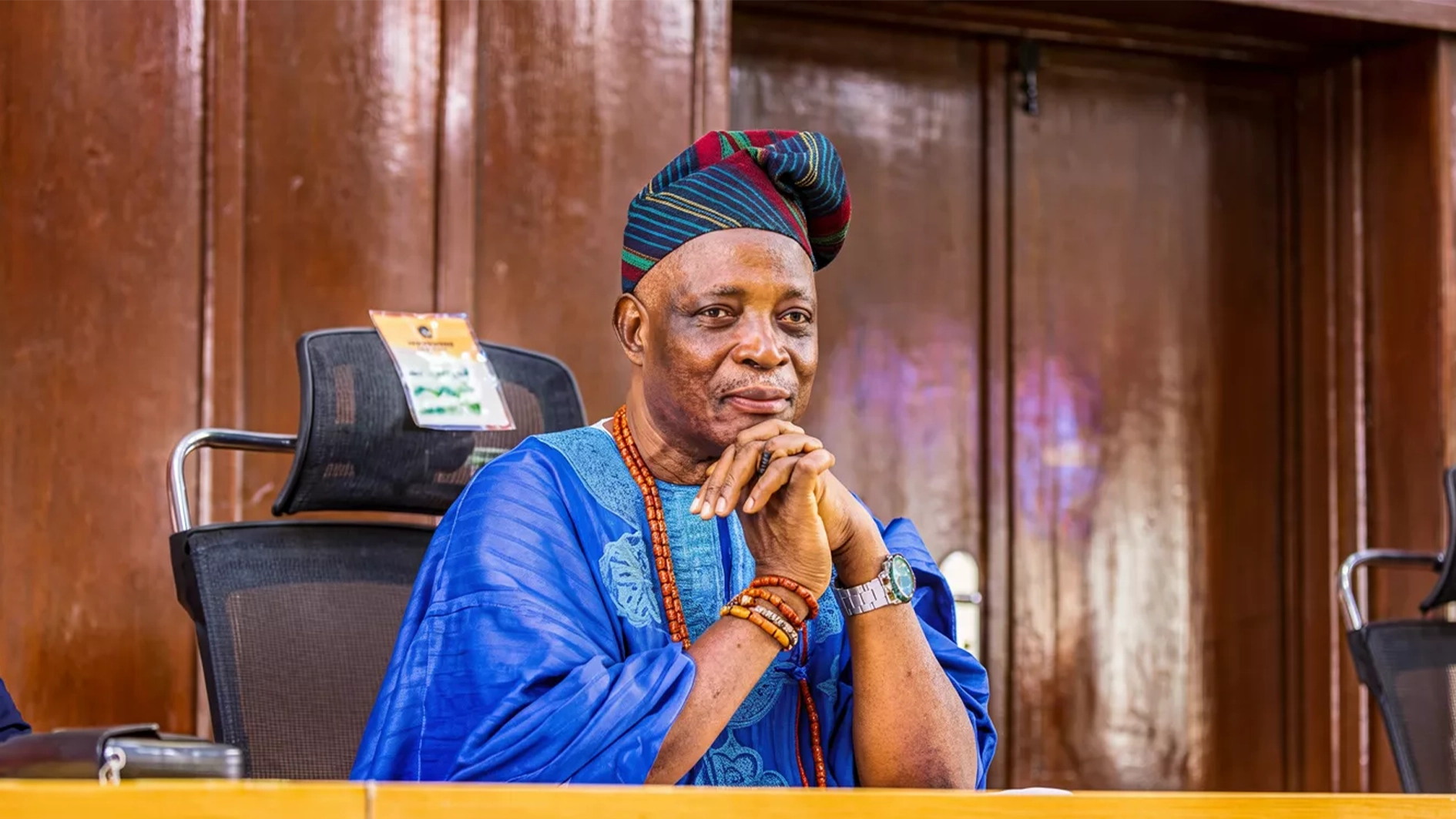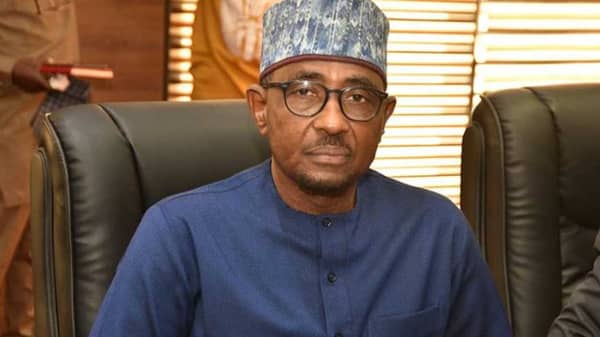
The Authority Chief Executive of the Nigerian Midstream and Downstream Petroleum Regulatory Authority (NMDPRA), Engr Farouk Ahmed, has formally disowned a detailed statement circulating in the public space and attributed to him in response to recent corruption allegations, insisting that it did not emanate from him.
Ahmed, in a disclaimer made available to The Guardian, distanced himself from the lengthy narrative, which sought to explain his career trajectory, financial standing, regulatory decisions and the funding of his children’s education abroad.
“My attention has been drawn to a purported response I was said to have made on the recent allegations against my person. I hereby state categorically that the so-called statement did not emanate from me,” he stated.
The NMDPRA boss acknowledged awareness of the allegations and the intense public debate they have generated but said he deliberately chose not to engage in public exchanges.
“While I am aware of the wild and spurious allegations made against me and my family and the frenzy it has generated, as a regulator of a sensitive industry, I have opted not to engage in public brickbat,” Ahmed said.
He added that the individual behind the allegations had taken the matter to a formal investigative institution, which he believes provides an appropriate platform for an objective examination of the issues and an opportunity to clear his name.
The disclaimed statement, which circulated widely on social media and some online platforms, ran into several pages and presented itself as a formal response by the NMDPRA chief. It attempted to address allegations relating to the source of funds used to pay for the overseas education of Ahmed’s children, detailed his decades-long career in
Nigeria’s petroleum regulatory space, and defended regulatory decisions taken under his leadership, particularly on import licensing and supply security.
It also contained extensive commentary on regulatory independence, the Petroleum Industry Act, and what it described as resistance from vested commercial interests affected by recent reforms in the downstream petroleum sector.
However, Ahmed’s clarification makes it clear that he did not authorise or issue any such response and has refrained from making public pronouncements on the substance of the allegations.
The controversy stems from a petition submitted to the Independent Corrupt Practices and Other Related Offences Commission (ICPC) by the President of the Dangote Group, Alhaji Aliko Dangote, accusing the NMDPRA chief of corruption, abuse of office and unexplained wealth. The petition has intensified scrutiny of the petroleum regulator at a time of heightened tension in Nigeria’s energy sector, particularly around fuel supply, pricing and import licensing.
The ICPC has since acknowledged receipt of the petition, signalling the commencement of formal review processes in line with its statutory mandate. The matter has also attracted attention from lawmakers, civil society groups and industry stakeholders, many of whom have called for due process and institutional restraint.
Ahmed’s decision to issue only a disclaimer, rather than a substantive rebuttal, underscores his stated preference for allowing investigative authorities to handle the matter. His position, as outlined in the disclaimer, places emphasis on institutional processes rather than public defence, amid concerns that escalating exchanges could further politicise the issue.