 Follow Us on Google News
 Follow Us on Google Discover
Celebrity chef and entrepreneur Uzochukwu Elui has said the appointment of businessman Obinna Iyiegbu, popularly known as Obi Cubana, as a director of the City Boy Movement in the South-East could strengthen youth engagement and development efforts across the region.
Elui said the decision reflected strategic thinking, arguing that Iyiegbu’s background in business and philanthropy positions him to connect with young people and community stakeholders in the zone.
According to him, the South-East’s strong entrepreneurial culture makes the appointment particularly relevant, adding that Iyiegbu’s experience could help translate grassroots energy into organised civic participation.
He said the businessman’s long-standing involvement in community development had earned him credibility, describing him as a figure capable of mobilising support across social and economic divides.
Elui urged youths and other stakeholders in the region to support the new leadership of the City Boy Movement, expressing optimism that the platform could promote unity, participation and sustainable development if properly harnessed.
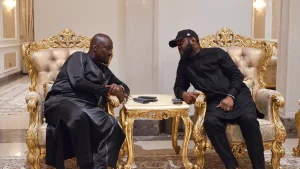
Iyiegbu, an Anambra-born entrepreneur and socialite, recently confirmed his appointment as South-East coordinator of the City Boy Movement. He disclosed the development after receiving his appointment letter from Seyi Tinubu, son of President Bola Ahmed Tinubu.

In a post shared on his official Instagram page, Iyiegbu said Seyi Tinubu visited his residence to formally present the certificate of appointment, adding that their discussions also touched on national issues.
Responding to mixed reactions following the announcement, Iyiegbu said he accepted the role because meaningful change required participation rather than distance. He argued that engagement within political and civic structures offered a better opportunity to influence outcomes.
He also assured supporters that the appointment would not conflict with his personal values or long-standing community work, stressing that inclusiveness would remain central to his approach.
Iyiegbu added that his focus in the new role would be to promote unity and broad participation, noting that national development required collaboration across regions and social groups.

