 Follow Us on Google News



 Follow Us on Google Discover
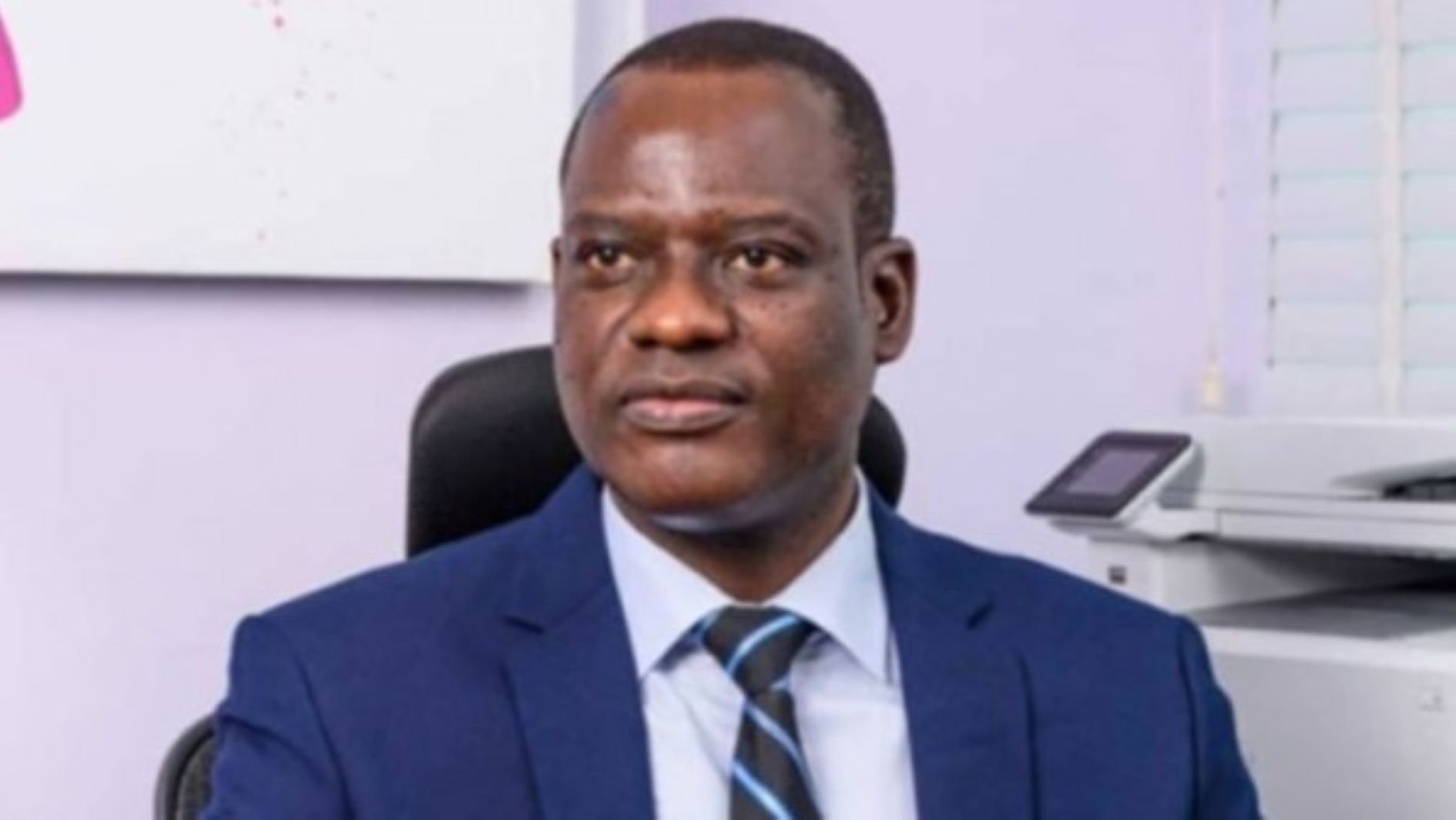
The Minister of Finance and Coordinating Minister of the Economy, Taiwo Oyedele, has warned that returning to petrol subsidy could trigger capital flight, undermine investor confidence and push the naira to between N3,000 and N4,000 per dollar.
Oyedele gave the warning during a press briefing at the International Monetary Fund (IMF) and World Bank Annual Meetings in Bangkok, Thailand, on Monday.
He said investors had repeatedly questioned whether the Federal Government would abandon its economic reforms ahead of the next election cycle.
Oyedele, who ruled out reversing the reforms, said any indication that President Bola Tinubu’s administration was considering reinstating petrol subsidy could unsettle financial markets, raise borrowing costs and worsen economic pressures on households.
“In all the meetings I have had, I came to a conclusion that the markets, including the domestic market, which you can read from the capital market, and the international market, have largely written off the opposition in Nigeria as being unserious.
“If, for any reason, the President were to say we are merely considering the return of fuel subsidy, capital would react immediately. Air fares would struggle, the naira would come under severe pressure, potentially moving towards N3,000, N3,500 or even N4,000. The very fuel people want subsidised would become far more expensive in naira terms,” he said.

The minister warned that capital flight could extend beyond foreign investors, as wealthy Nigerians, business owners and middle-class investors might also turn to dollars to protect their assets, increasing demand for foreign exchange.
He said ordinary Nigerians would ultimately bear the consequences through higher import costs, rising prices, and increased economic hardship.

