 Follow Us on Google News



 Follow Us on Google Discover
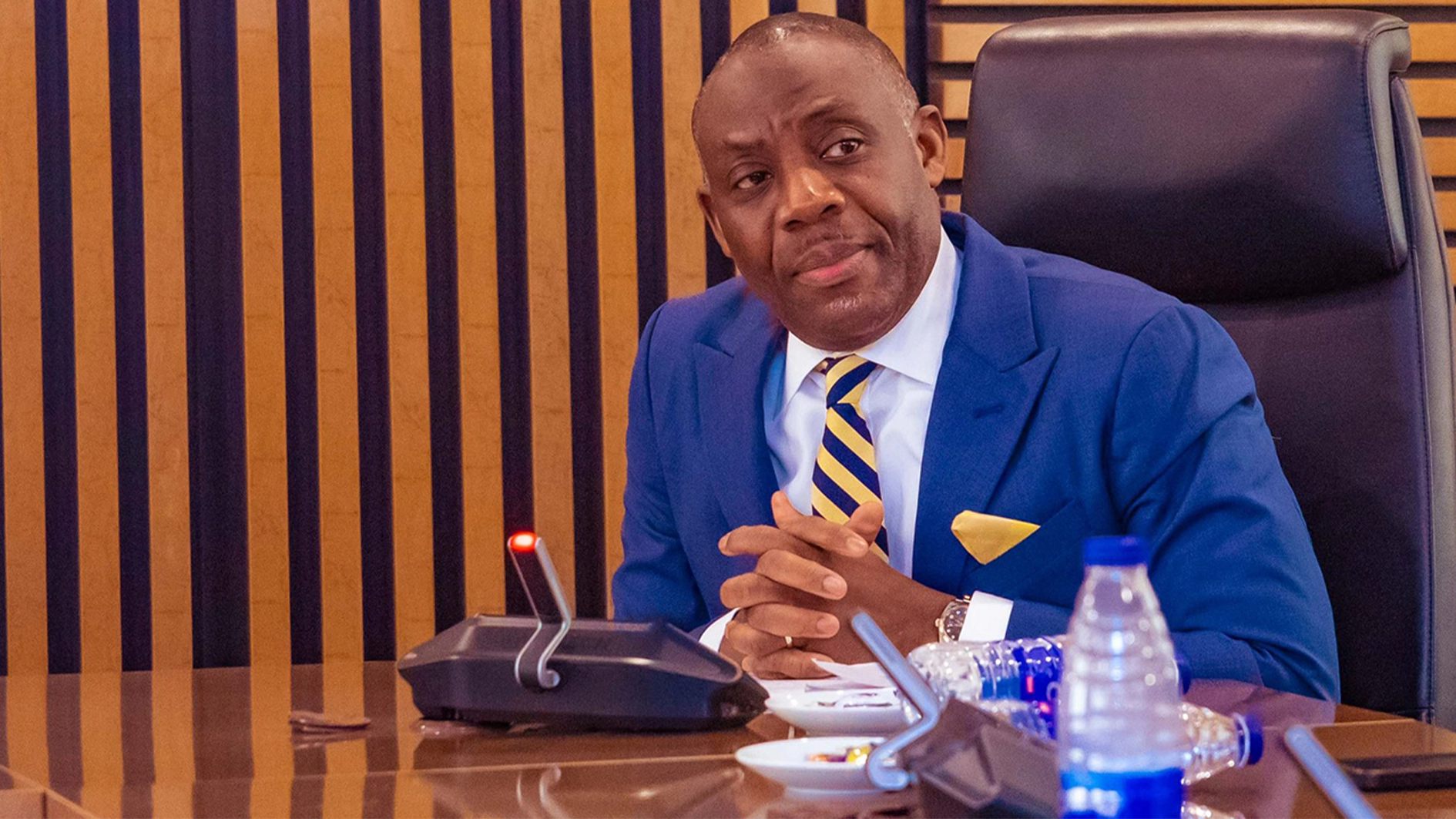
The House of Representatives Committee on Federal Polytechnics and Higher Technical Education and the Minister of Education, Dr Tunji Alausa, have agreed to strengthen engagement over the implementation of the Federal Government’s Technical and Vocational Education and Training (TVET) programme.
The agreement followed a meeting in Abuja on Tuesday, where Alausa explained the ministry’s failure to respond to six letters from the committee seeking updates on the programme between January 2025 and July 2026.
The committee chairman, Fuad Kayode Laguda, said the meeting followed an earlier engagement scheduled for July, which neither the minister nor any ministry representative attended.
“We wrote six different correspondences on the same subject matter, requesting status reports on TVET’s activities and programmes. We did not get any response from your ministry,” Laguda said.
The development followed an August report in which the committee issued Alausa a final summons and directed the ministry to submit documents on the programme’s implementation after lawmakers expressed concern over its failure to honour their invitations.
At Tuesday’s meeting, Alausa apologised to the committee, explaining that he had not personally received the letters.

He attributed the communication breakdown to the transfer of a desk officer responsible for receiving correspondence from the National Assembly, which he said occurred without his knowledge.
“I would have to profusely apologise and let you know that I did not get any of the correspondence that you sent,” the minister said.
He acknowledged the legislature’s oversight responsibilities and pledged to improve communication between the ministry and the committee.
Following an executive session with the minister and his team, Laguda described the meeting as productive, saying the committee was satisfied with the explanations provided.
“Our meeting was progressive and purposeful. We are satisfied and, like I said, we will be moving forward and having better engagements,” he said.
The chairman added that members needed a better understanding of the TVET programme to perform their oversight duties effectively.
“Information is power. Having more knowledge about what is going on will aid us in carrying out our expected duties and having oversight functions,” he said.
Speaking with journalists after the meeting, Alausa said the government had repositioned technical and vocational education as a key component of the country’s education system.
He disclosed that more than 250,000 Nigerians were receiving training at about 1,200 skills training centres nationwide.
According to him, each trainee receives a monthly stipend of N30,000, while the government pays training centres N50,000 per student monthly to support instruction and improve facilities.
The minister said the programme had attracted strong interest, with nearly 1.4 million applications recorded during its second enrolment exercise.
He added that the government was expanding opportunities for trainees to secure jobs or establish businesses through a job portal and support from the Bank of Industry.
“We don’t just want them to be job seekers. We want them to be micro-entrepreneurs and do business themselves,” Alausa said.
He also said technical education was free at all federal technical colleges and one selected state technical college in each state, with the Federal Government covering tuition and other school fees.
The TVET programme aims to equip young Nigerians with practical, industry-relevant skills, improve employment prospects and address gaps in the country’s technical workforce.

