 Follow Us on Google News
 Follow Us on Google Discover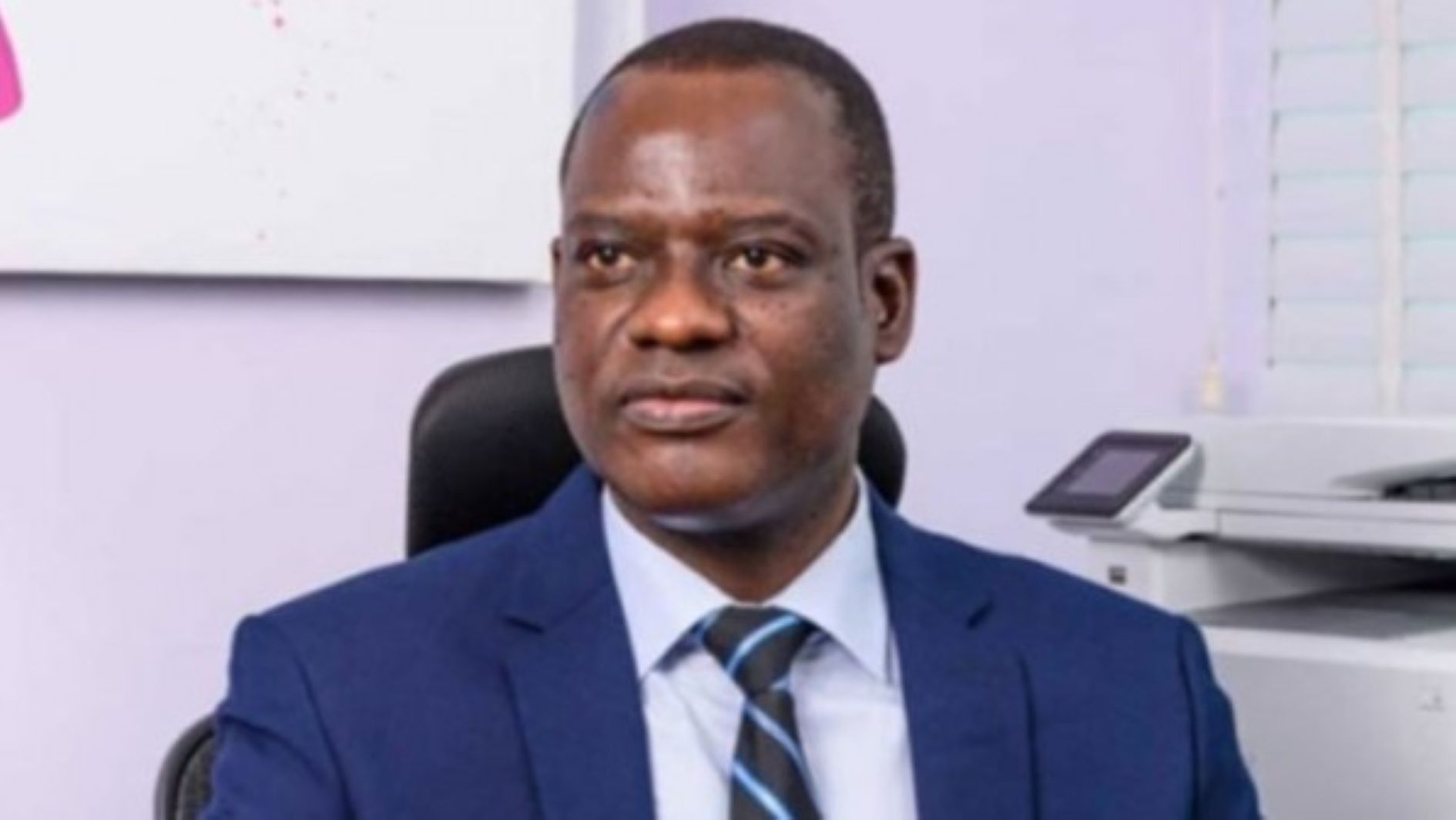
**as FG Says Protecting Schools Is a Shared National Duty
***Oyedele Defends Funding Structure, Says Priority Is Timely Release of Funds, Not Which Ministry Controls Budget
The Senate Ad-hoc Committee on the Safe Schools Initiative on Friday intensified its investigation into the management of billions of naira earmarked for the protection of schools, as the Minister of Finance and Coordinating Minister of the Economy, Mr. Taiwo Oyedele, appeared before lawmakers to account for the administration of funds allocated to the programme.
The hearing, chaired by Senator Orji Uzor Kalu at the National Assembly, came barely hours after the committee engaged the Minister of Education, Dr. Tunji Alausa, in what has become a sweeping legislative probe into government appropriations and international donor funds released under the Safe Schools Initiative.
Welcoming the minister and his delegation, Kalu commended Oyedele for honouring the committee’s invitation, describing his consistent appearance before Senate committees as a demonstration of respect for democratic accountability.
“Honourable Minister, permit me to commend you publicly. Every time the Senate invites you, you make yourself available. That demonstrates respect for Parliament and for the Nigerian people whom this institution represents,” Kalu said.

The chairman explained that the committee was established by the Senate to investigate the funding, implementation and accountability framework of the Safe Schools Initiative following concerns arising from its preliminary review of financial records.
According to him, the Ministry of Finance occupies a pivotal position in the investigation because of its constitutional responsibility for managing public finances and supervising the disbursement of government and donor funds.
“Our responsibility is to trace financial allocations, donor contributions, disbursements and the utilisation of resources dedicated to protecting Nigerian schools and guaranteeing a safe learning environment,” he stated.
Kalu stressed that the exercise was neither political nor intended to witch-hunt any ministry or official.
“This investigation is not a witch-hunt. It is a constitutional responsibility under Sections 88 and 89 of the 1999 Constitution. Our objective is to ensure financial accountability, value for money and the protection of Nigerian schoolchildren.”
He further acknowledged that many of the transactions under review predated Oyedele’s appointment but maintained that public institutions remain accountable regardless of changes in leadership.
“We recognise that you were not the Minister of Finance when many of these transactions occurred. Nevertheless, government is a continuum, and institutions remain accountable.”
Because of the security implications of the subject matter, Kalu directed that detailed deliberations be held in executive session.
“We cannot discuss sensitive operational details in public because criminals are listening. Matters relating to the protection of our schools require confidentiality.”
In his opening remarks, Oyedele reaffirmed the Federal Government’s commitment to transparency and collaboration with the National Assembly.
He described school safety as a national priority, saying protecting educational institutions was critical to Nigeria’s future.
“We appreciate the Senate’s interest in the safety of our schools because this is not only about protecting today’s students; it is about safeguarding the future of our country.”
The minister introduced members of his delegation, including the Permanent Secretary of the Federal Ministry of Finance, Mr. Mohammed Salisu, senior officials overseeing the Safe Schools Initiative and his Chief of Staff.
Responding to questions from the committee, Oyedele said the Federal Government had already identified weaknesses requiring urgent attention, particularly in the timely release of funds to agencies implementing the programme.
“We have identified areas requiring improvement, especially the prompt release of funds to agencies such as the Nigeria Police Force, the Nigeria Security and Civil Defence Corps, the Department of State Services and other institutions involved in protecting schools.”
He assured lawmakers that the ministry was strengthening transparency and accountability mechanisms to ensure public resources are properly managed.
“We are fully committed to transparency. Where shortcomings exist, we will work with the National Assembly to correct them and strengthen our systems.”
Echoing the position earlier expressed by the Minister of Education, Oyedele said government institutions must take responsibility for actions taken before the current administration.
“Whether those issues occurred before my appointment or not is secondary. Government is a continuum. Once we accept public office, we also accept responsibility for the institutions we lead.”
Speaking with journalists after the closed-door session, the minister addressed comments by the Minister of Education that the Safe Schools Initiative had been transferred from the Ministry of Finance to the Ministry of Education.
Oyedele said the debate should not centre on which ministry controls the funds but on ensuring that resources are released promptly and utilised effectively to protect schools.
“The first point to emphasise is that keeping our schools safe is a shared responsibility. Whether it is the National Assembly, the Executive, the Ministry of Finance, the Ministry of Education or the state governments, everyone has a role to play.”
He explained that different agencies have distinct responsibilities within the Safe Schools framework, with the Ministry of Finance performing its statutory role as custodian of government finances through the Office of the Accountant-General.
“The real issue is not who controls the budget. Certain intervention funds and service-wide votes are, by law, administered by the Ministry of Finance because it serves as the financial manager of the Federal Government.”
According to him, the focus should be on ensuring that adequate resources reach implementing agencies before attacks occur.
“What matters most is ensuring that funding is adequate and released on time. Timely funding helps prevent attacks rather than forcing government into damage control after tragedies have occurred.”
Oyedele, however, cautioned that funding alone would not completely eliminate insecurity.
“There is no guarantee that even unlimited resources would eradicate insecurity entirely. However, adequate funding and timely intervention can significantly reduce risks and strengthen preventive measures.”
He also appealed to the media and Nigerians to support ongoing security operations by avoiding narratives capable of undermining public confidence or amplifying the propaganda of criminal groups.
“Sometimes, we unintentionally amplify the activities of terrorists while questioning every effort made by security agencies. The narratives we promote can either strengthen or weaken the fight against insecurity.”
Calling for national unity, the minister said the responsibility of protecting schools extends beyond government institutions.
“It is in our collective interest to come together as one people in confronting insecurity. Protecting our schools and securing the future of our children is a responsibility shared by every Nigerian.”
The Senate committee is expected to continue its investigation after reviewing documents and evidence obtained during the closed-door session before submitting its recommendations to the Senate.

