 Follow Us on Google News



 Follow Us on Google Discover
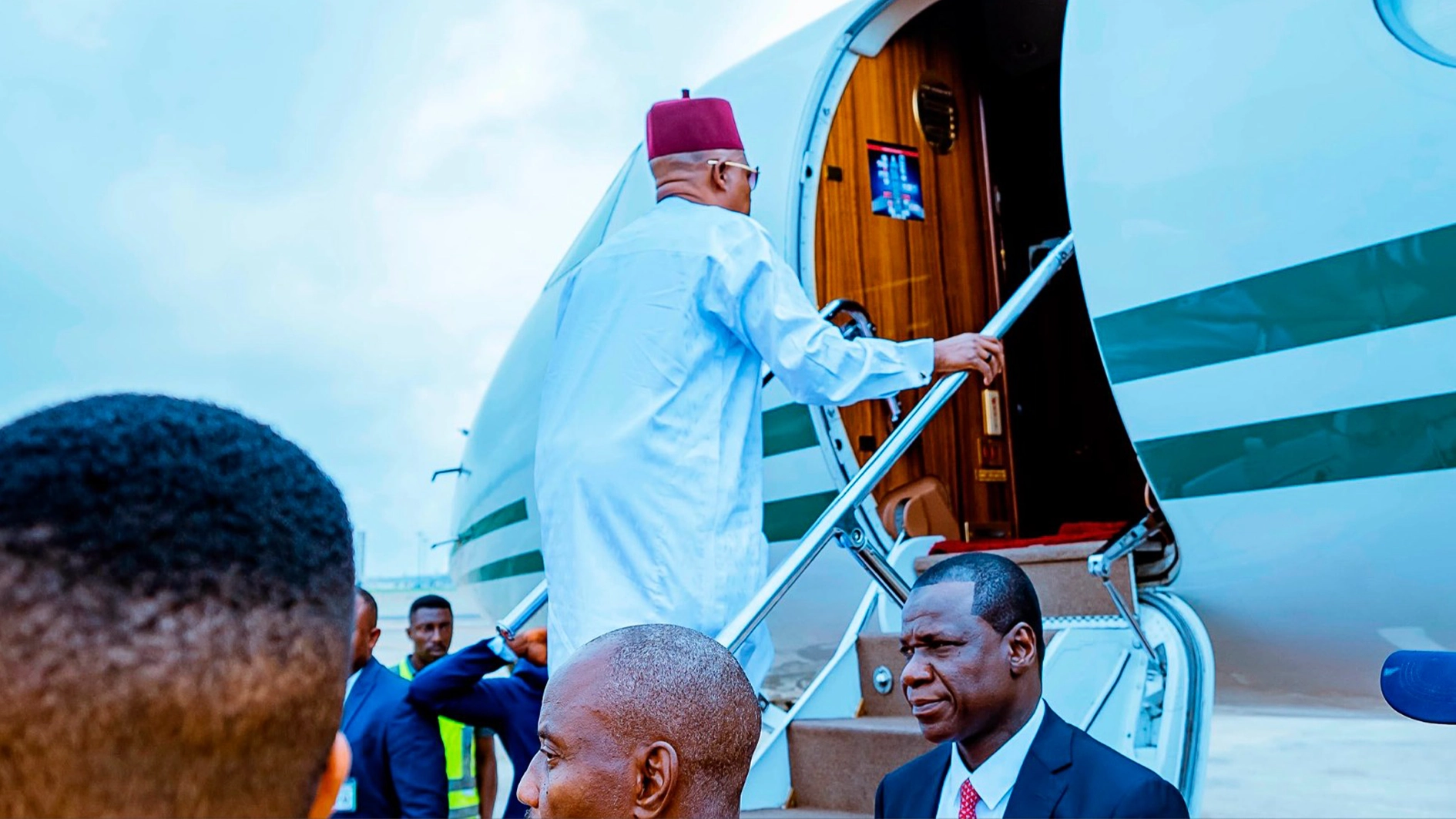
FG says investment, not gas reserves, will unlock Nigeria’s industrial growth
Vice President Kashim Shettima has challenged state governments to end their reliance on the Federal Government for electricity solutions, urging them to establish functional power markets, attract private investment and harness their local energy resources to drive economic growth.
Shettima said Nigeria’s ambition to build a competitive industrial economy would remain unrealised unless the ongoing electricity reforms translated into reliable and affordable power for businesses, households and public institutions.
He spoke yesterday while declaring open the National Stakeholders’ Workshop on the Electricity Act 2023 at the State House Banquet Hall, Presidential Villa, Abuja.
The workshop, themed “Unlocking the Opportunities of the Electricity Act 2023 for Sustainable Energy Development and Economic Growth in Nigeria,” brought together federal and state institutions, regulators, and other stakeholders to examine the legislation’s implementation.
Represented by the Deputy Chief of Staff to the President, Senator Ibrahim Hassan Hadejia, the Vice President said the Act had opened up opportunities for states to take greater responsibility for electricity governance and develop markets tailored to their economic needs and available energy resources.

Shettima identified Nigeria’s diverse energy resources as a major opportunity for states to expand electricity access, citing solar power potential in Sokoto, Borno and Katsina; natural gas resources in Delta, Rivers and Bayelsa; and hydroelectric opportunities in Niger and Kebbi states.
He urged state governments to translate these natural advantages into viable investments capable of powering agriculture, manufacturing, healthcare and education.
The Vice President, however, warned that the passage of legislation alone would not guarantee improved electricity supply, stressing the need for states yet to establish regulatory institutions to commence the process without delay.
Meanwhile, the Federal Government has identified sustained investment as critical to converting Nigeria’s more than 200 trillion cubic feet (Tcf) of proven gas reserves into industrial growth, electricity generation and job creation, as it disclosed that over N100 billion in longstanding gas debts had been settled since January 2026.
The Special Adviser to the President on Energy (Oil and Gas), Mrs Olu Arowolo Verheijen, disclosed yesterday at the Africa Interviews Sustainability Forum 2026 in Lagos, stressing that natural resource abundance alone could not guarantee economic prosperity without consistent investment and a stable business environment.
The settlement of the gas debts, made under the Presidential Power Sector Financial Reforms Programme, forms part of efforts to address outstanding financial obligations in the electricity sector and strengthen the gas-to-power value chain.
Speaking on the theme, “Energy Security and Africa’s Energy Transition: Defining the Role of Gas,” Verheijen said Nigeria must focus on translating its vast gas resources into commercially viable projects capable of supporting industries, creating jobs and raising incomes.
Verheijen said President Bola Ahmed Tinubu had given his administration a mandate to identify and address the factors preventing investment from matching Nigeria’s economic potential.
She described gas as central to the administration’s reform agenda because of its importance to electricity generation, manufacturing, transportation, fertiliser production and cleaner cooking.
The presidential adviser disclosed that Nigeria had recorded four final investment decisions (FIDs) in gas projects in less than two years, including the Ima project in September 2026. Average daily gas production, she added, had risen from about seven billion cubic feet (7bcf) to eight billion cubic feet (8bcf).
She said indigenous producers were also playing an increasingly significant role in domestic gas supply, adding that the government was working to create conditions that would encourage investment and expand gas utilisation across the economy.
On household energy, Verheijen said the government had introduced import duty waivers and zero-rated value-added tax (VAT) measures for liquefied petroleum gas (LPG) and gas cylinders to encourage cleaner cooking and reduce dependence on firewood.
Addressing Africa’s energy transition, she said the continent must prioritise energy security, industrial development and job creation while pursuing environmental sustainability.

