
 Get Guardian on Google
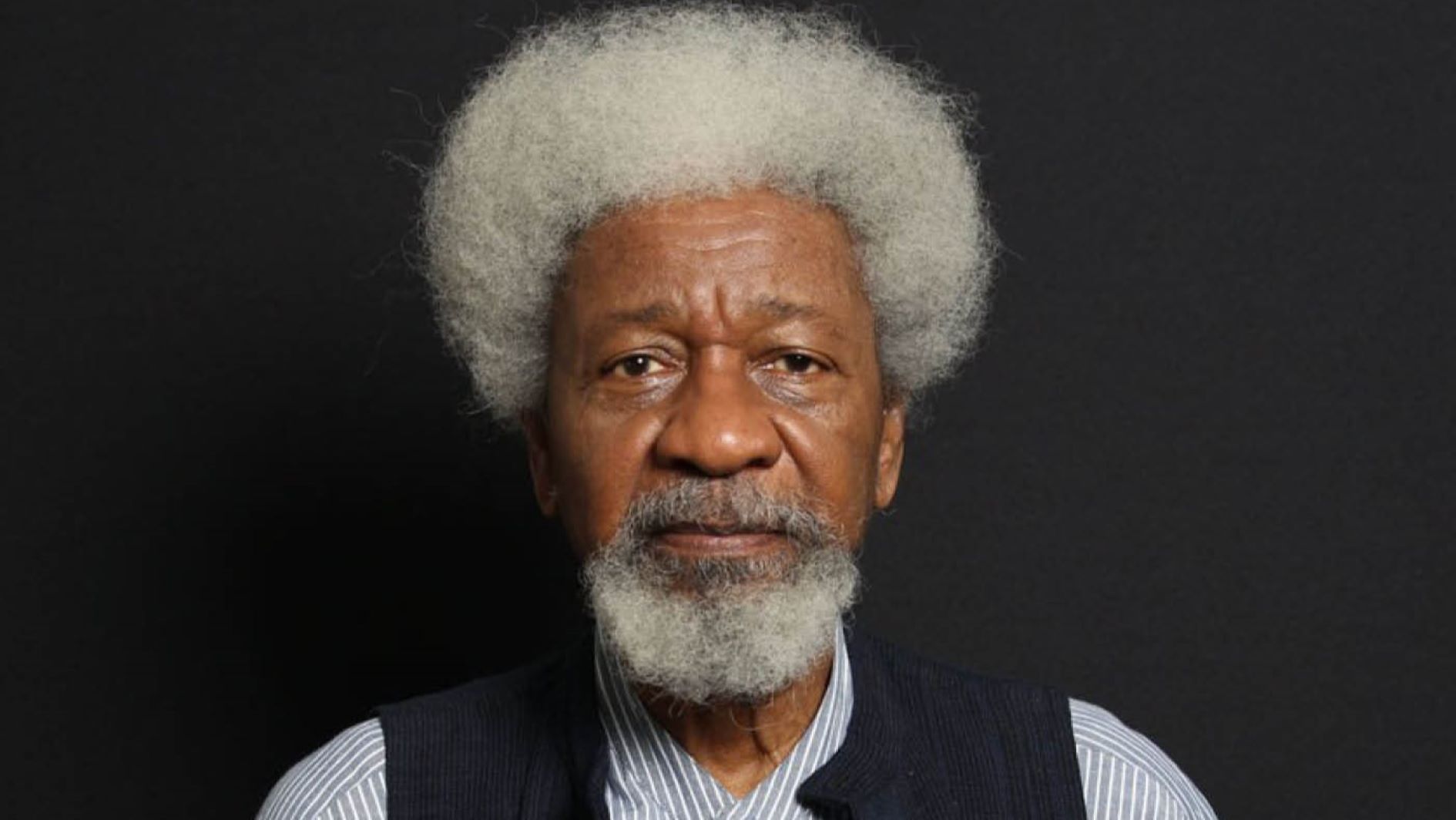
Nobel laureate, Prof. Wole Soyinka, has urged African youths to take advantage of changing global circumstances to drive a new renaissance that would reposition the continent and reverse its history of exploitation and deprivation.
Soyinka, who spoke during a panel session on ‘Building a Creative Economy in Global Africa’, at the ongoing Creative Africa Nexus (CANEX) WKND 2026, organised by Afreximbank in Lagos, on Friday, said the continent needed to look inward and develop its own capacity rather than depend on external support.
He argued that the younger generation must use opportunities in creativity, technology, artificial intelligence and the economy to demonstrate Africa’s productive capacity and strengthen its position in the world.
He also challenged young Africans to build on the experiences of previous generations and use their skills and opportunities to transform the continent.
According to him, the changing global order provides an opportunity for Africa to rethink its position and take advantage of new developments.
He also called for regular engagements between political leaders and creative practitioners, stressing the need for relationships based on equality, trust and mutual respect.

Soyinka said such engagements would help reduce suspicion between those in government and people in the creative industry and encourage more productive discussions.
In her contribution, the International Finance Corporation (IFC) Division Director for West Africa and the Gulf of Guinea, Natalie Koussi Akon, said changing attitudes among parents, artists and financial institutions were creating new opportunities for the creative industry.
She said the industry had not received the attention and financing it deserved for many years, but financial institutions were increasingly recognising its commercial potential.
Akon disclosed that the IFC had channelled $1.6 billion into the creative industry over the past five years.
She said the institution was working to strengthen the sector through improved visibility, capacity building, market access and stronger connections between creative businesses and markets.
According to her, technology offers opportunities to improve the visibility of creative professionals and generate data that can help identify businesses and artists with investment potential.
She also stated that practitioners needed support in accessing markets, navigating regulatory requirements as well as overcoming infrastructure and logistics challenges that limit the movement of creative products across countries.
Rwanda’s Minister of State for Youth and Arts, Sandrine Umutoni, said governments must facilitate business activities by creating policies that make it easier for people to operate and move their goods across borders.
She said there was a need to invest in initiatives that would support the movement of people and goods, adding that policymakers must identify and address existing barriers to trade.
According to her, facilitating mobility and easing business operations would help strengthen economic activities and create opportunities for the creative industry.
Similarly, the Minister for Grand Bahama, Ginger Moxey, urged African countries to trade more among themselves and take advantage of the Pan-African Payment and Settlement System (PAPSS).
She said African countries must empower their people, strengthen collaboration and build partnerships to unlock the continent’s economic potential.
Moxey stressed that greater cooperation among African countries would support trade and create opportunities for businesses and creative industry practitioners.
Earlier, Founder of Silverbird Group, Ben Murray-Bruce, urged African creative industry practitioners to seek political positions to influence policies and laws that would support the growth of the sector.
He called for a law mandating financial institutions to allocate 2.5 per cent of all loans to the creative industry, saying this would improve access to funding and help practitioners develop their businesses.
Murray-Bruce, who delivered the keynote address at the session, said Africa’s history of slavery, colonialism, military rule and political instability had restricted creativity and prevented many talented people from developing their potential.
He said military rule across several African countries created an unfavourable environment for creative expression, adding that democracy and media liberalisation helped Nigeria’s entertainment industry to grow.
According to him, creative professionals must participate in governance rather than depend solely on governments to address the challenges facing the industry.
He urged practitioners to contest elections and seek positions in their respective countries’ legislatures and governments to influence policies that would support the sector.
“You must take a political position and run for office. The only way you can change the laws of your countries and make it possible for you to have infrastructural development and the copyright you need to be rich and successful is to take a political position,” he said.
Murray-Bruce said one of the first laws creative industry representatives should pursue was a requirement for financial institutions to direct 2.5 per cent of their lending to the sector.
He also stated that intellectual property should be recognised as collateral when creative entrepreneurs seek loans, rather than relying entirely on conventional forms of security.
Murray-Bruce identified piracy and weak copyright enforcement as major challenges confronting African creatives, recalling his experience with efforts to protect musicians’ intellectual property.
He said the industry needed a change in public attitudes towards copyright, stressing that creators of artistic works should benefit financially from their productions.