 Follow Us on Google News


 Follow Us on Google Discover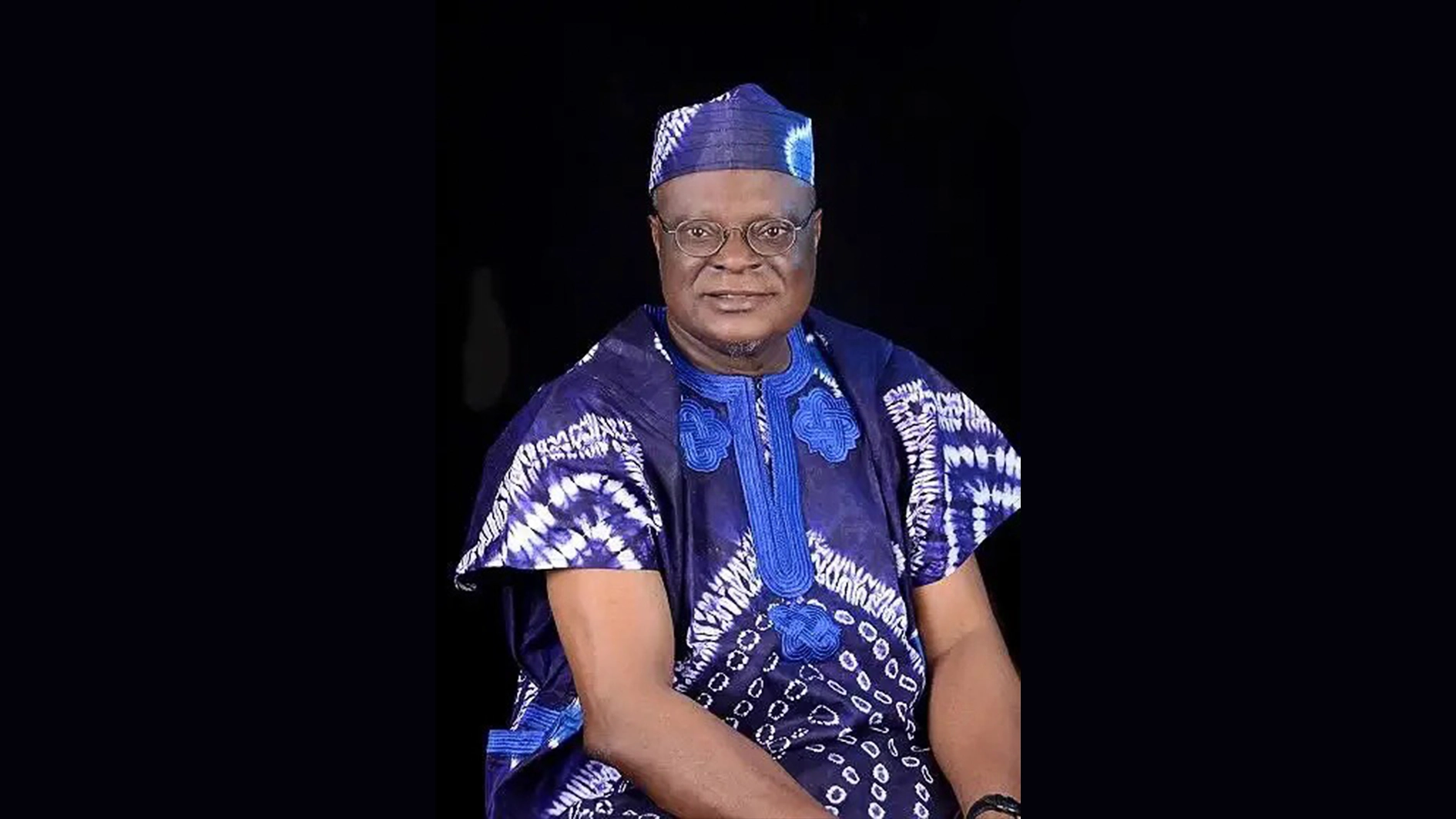
Playwright and Professor of Theatre Arts, Femi Osofisan, has said that meaningful social and political changes in Nigeria require the collective action involving everyone, including the followers.
Osofisan who was a keynote lecturer at the 2026 Annual Reunion Public Lecture of the Government College Ibadan Old Boys’ Association (GCIOBA), held in Lagos yesterday, challenged Nigerians to look beyond political systems and examine the character of those entrusted with power.
Speaking on the lecture titled: ‘From the Nobel to the Thalia Prize: GCI and the Making of Modern African Theater,’ declared that the country’s leadership crisis was rooted in the people themselves.
The lecture preceded the association’s main reunion scheduled for Saturday at Government College Ibadan, Oyo State.
Osofisan, a member of the school’s 1959 set, said the end of military rule had failed to produce the leadership transformation many Nigerians had anticipated.
He said: “It is increasingly clear that the kind of people we are breeding on the continent, not just in Nigeria, are the problem. Not the system as well; it is the people themselves. What kind of people are we?

“We need a collective struggle involving the victims themselves, not changing things for people, but changing things with the people.”
The playwright also emphasised the role of the arts in challenging oppression, exposing corruption and influencing public consciousness.
On the lecture’s theme, Osofisan said Prof. Wole Soyinka’s 1986 Nobel Prize in Literature brought international recognition to Nigeria and inspired generations of writers and artists.
He noted that African dramatists had historically faced the challenge of adapting oral traditions into written works suitable for conventional theatre, while grappling with language and accessibility in a continent characterised by diverse ethnic communities.
Osofisan urged writers and artists to revisit history from the perspectives of ordinary people, particularly women whose contributions to resistance movements had not received adequate attention.
He cited the Aba Women’s riots and women’s resistance in Abeokuta as examples of historical events deserving greater representation in artistic works.
The professor also called for a reassessment of Nigeria and Africa’s position in a rapidly changing world, particularly in the face of artificial intelligence and the growing influence of global powers.
He challenged younger members of the Government College Ibadan community to develop new theatrical expressions that would address contemporary realities and anticipate future challenges.
Nobel laureate Soyinka, who attended the event as Guest of Honour and a member of the school’s 1946 set, urged the old boys to preserve the institution’s tradition of independent thinking and pushing boundaries.
President of GCIOBA, Olawale Babalakin, also urged attendees to reflect on Osofisan’s question about the character of people in positions of responsibility.
“I think when we all get home tonight, we should all ask ourselves that question individually,” Babalakin said.
He lauded Oyo State Governor, Seyi Makinde for granting the association the concession to manage Government College Ibadan, saying the arrangement had enabled the old boys to improve the school’s infrastructure, support learning and preserve its traditions for current students.
At the event, Babalakin presented special recognition awards to Soyinka and Osofisan in acknowledgement of their contributions to the arts.
Besides, Chairman Emeritus of PUNCH Nigeria Limited, Ajibola Ogunshola, who chaired the occasion, observed that artificial intelligence was transforming disciplines beyond the arts, noting that mathematicians were concerned about its capacity to solve problems that had remained unresolved for centuries.

