
 Get Guardian on Google
Stakeholders in built environment have advocated the technology enabled financial services, calling
for alternative housing finance models, like cooperative arrangements to support payment systems and connect prospective homeowners with verified housing opportunities.
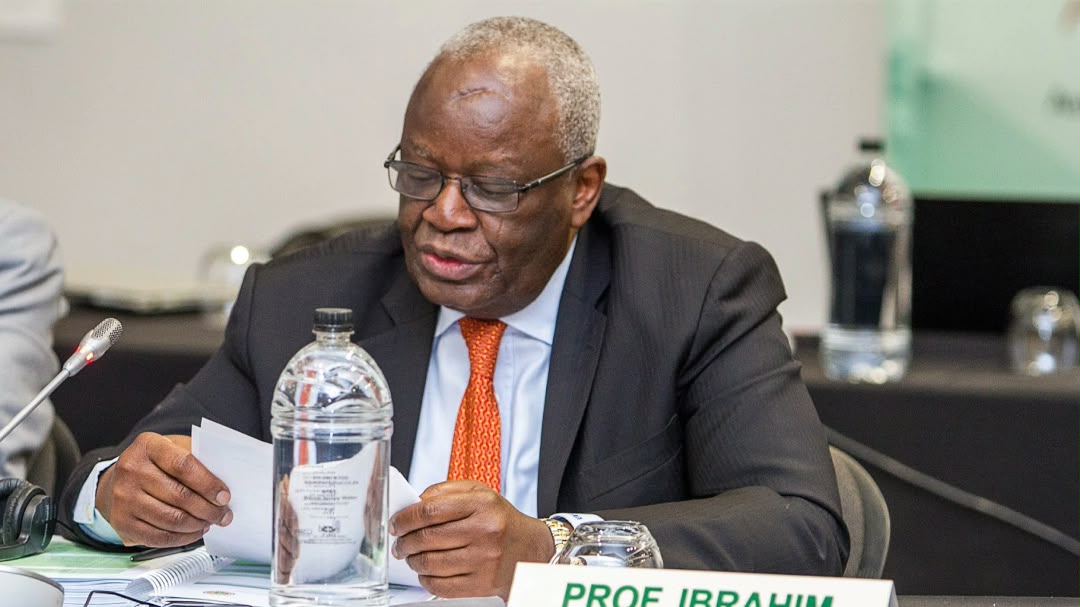
They spoke at the 9th Affordable Housing Finance & Investment Summit and Expo, AHFIS 2026 in Abuja, saying, we must explore innovative loan arrangements that bring together mortgage institutions,pension funds, companies, and commercial banks into financing mechanisms.
The Chairman of the Summit, Prof. Ibrahim Gambari said that housing must increasingly be recognised as an investable economic sector capable of attracting domestic and international capital, creating employment, deepening financial inclusion and stimulating industrial growth.
Gambari also explained that to addressing these challenges will require a fundamental shift in how we approach housing delivery, adding, “We must move beyond viewing housing exclusively as a government responsibility or a construction-sector activity.”
“The challenge is not the shortage of housing units, but also the limited availability of affordable long-term finance, the high cost of construction, land accessibility, inadequate infrastructure, fragmented housing markets and the absence of sufficiently integrated systems connecting housing demand with housing supply.”
He argued that housing remains one of the most important pillars of human development, economic stability and social inclusion, and yet, across Nigeria and much of Africa, the challenge of affordable housing continues to persist and appropriate homeownerships.
According to the Chairman, the future of affordable housing in Nigeria will depend significantly on our ability to connect finance with effective demand, investment with delivery, technology with inclusion, and policy with implementation.
He further maintained, over the years, the Summit has continued to evolve as a meeting point and platforms for government, financial institutions, housing developers, cooperative societies ,investors, technology providers and development partners.
“Equally important is the need to aggregate effective housing demand. Millions of Nigerians aspire to homeownership, but individual purchasing power is often constrained by inadequate financing structures and the high cost of accessing housing,” he added.
Also, AHFIS Summit Convener, Dr. Saheed K.Yemi Adelakun said that “we are particularly hopeful that through the cooperation and corporate social responsibility commitment of the sponsors and industry partners, affordable housing projects will benefit from preferential dealership arrangements.
He said that Nigeria faces estimated housing deficit of over 28 million units, while Africa’s housing deficit is more than 53 million,yet, millions of households continue to spend substantial resources on rent without building housing assets or intergenerational wealth.
“So, we are proposing a 500 unit model affordable housing development in Abuja. This model affordable in Federal Capital Territory will serve as a flagship demonstration project for integrated, cooperative -driven, developers- financed and digitally enabled homeownership,” he added.