
 Get Guardian on Google
The House of Representatives has received a bill from President Bola Tinubu seeking to decriminalise attempted suicide and provide mental health support for people who survive suicide attempts.
The proposed National Mental Health (Amendment) Bill, 2026, seeks to amend the National Mental Health Act, No. 46, 2021, by removing criminal penalties for attempted suicide and replacing prosecution with appropriate medical and psychological intervention.
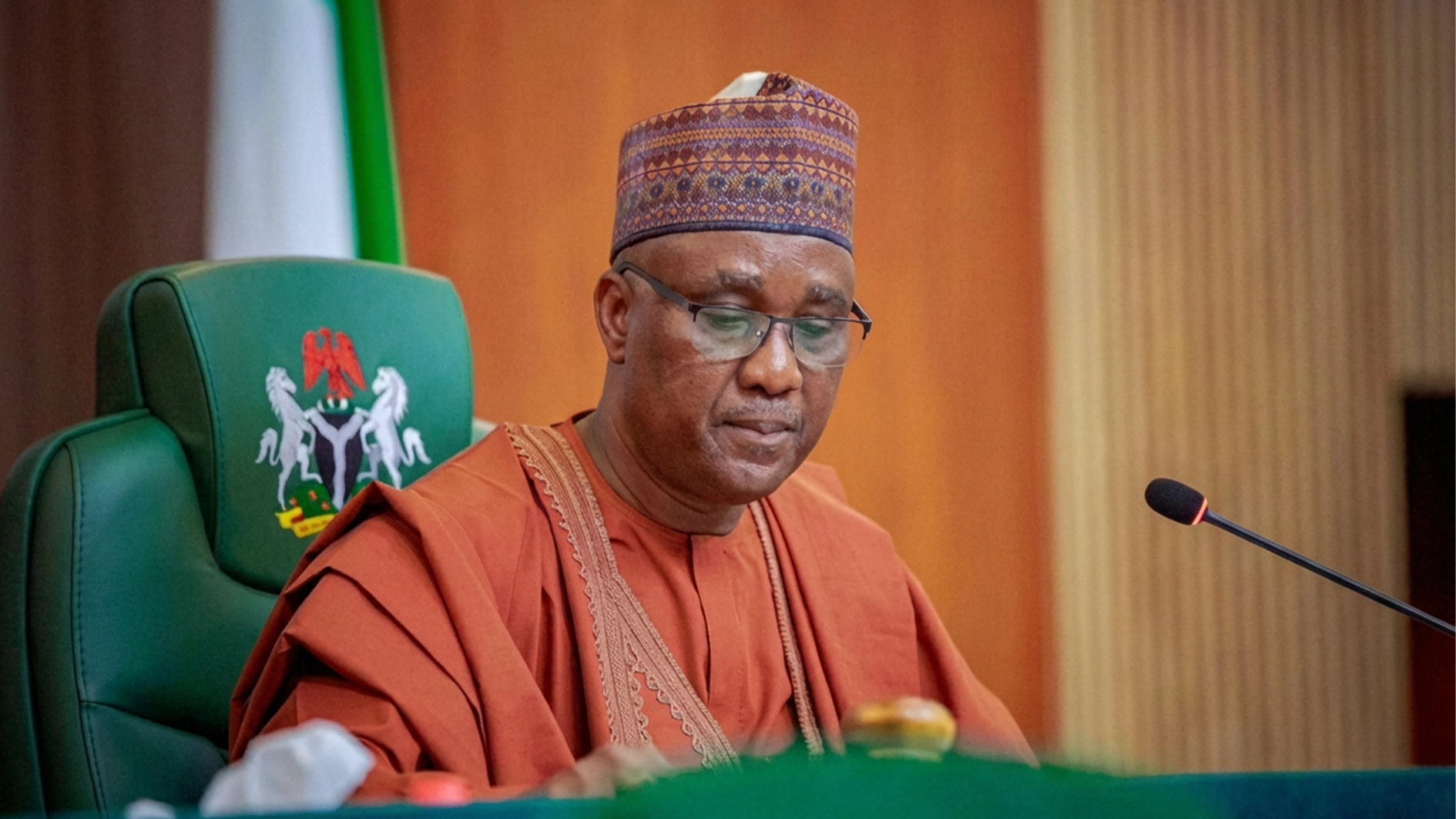
Speaker of the House, Abbas Tajudeen, read the President’s letter transmitting the bill during Wednesday’s plenary.
Tinubu said he forwarded the proposed legislation in line with Section 58(2) of the 1999 Constitution, as amended.
In the letter, the President said the amendment was designed to “decriminalise attempted suicide and to provide support to any person who attempts to commit suicide in Nigeria”.
He urged the lawmakers to give the bill expeditious consideration.
The proposed legislation follows sustained calls by mental health professionals for Nigeria to abandon the criminalisation of suicide attempts and treat affected persons as patients requiring medical attention.
At a public hearing organised by the House Committee on Health Specialty on May 5, 2024, the President of the Association of Psychiatrists of Nigeria (APN), Professor Taiwo Obindo, called on the Federal Government to decriminalise attempted suicide.
Obindo, who led a delegation of medical directors from neuro-psychiatric hospitals across the country, argued that criminal prosecution could worsen the plight of people experiencing mental health challenges.
He cited evidence indicating that 90 per cent of people who die by suicide have a history of mental health conditions, with depression accounting for 80 per cent.
“Why do we, as a nation, then punish individuals who are ill and need medical attention rather than prosecution?” he asked.
The psychiatrist described the continued criminalisation of attempted suicide under the Criminal Code and Penal Code as outdated.
He argued that the government must first remove the criminal provisions before establishing counselling centres and other support services.
Obindo warned that counselling centres could face legal complications if the existing provisions remained in force.
“Establishing a Counselling center, without abrogating this archaic law would put, even the counselors are at risk because the law also prescribes penalties for those who are aware of the plan but did not report,” he said.
He also noted that Nigeria lagged behind several African countries that had abolished similar provisions.
Beyond decriminalisation, the APN president raised concerns over the Federal Government’s failure to fully implement the National Mental Health Act.
He particularly identified the absence of a Mental Health Services Department in the Federal Ministry of Health as a major gap in the implementation of the legislation.
“The first step in addressing the many years of neglect of this important aspect of our nationhood is the implementation of the Act!” he said.
According to him, the department would coordinate and supervise the implementation of the law across the country.
Obindo further stressed the need for trained clinical professionals to identify people at risk of suicide and refer them for appropriate treatment.
He called for community-based mental health rehabilitation centres across the 360 federal constituencies to support people living with chronic mental health conditions.
The proposed centres, he said, should provide emotional, cognitive and social rehabilitation to help affected persons regain the skills required to live and work productively.
He recommended that the facilities should operate within the community-based intervention framework provided by the Mental Health Act.
He also urged the government to train personnel in primary healthcare centres to identify patients who require specialised mental health services and refer them appropriately.
Alternatively, Obindo proposed that the Federal Government strengthen neuro-psychiatric hospitals and mental health departments in federal tertiary institutions.
He said such facilities should have adequately equipped rehabilitation units and sufficient trained personnel to improve access to mental healthcare and rehabilitation.