 Follow Us on Google News


 Follow Us on Google Discover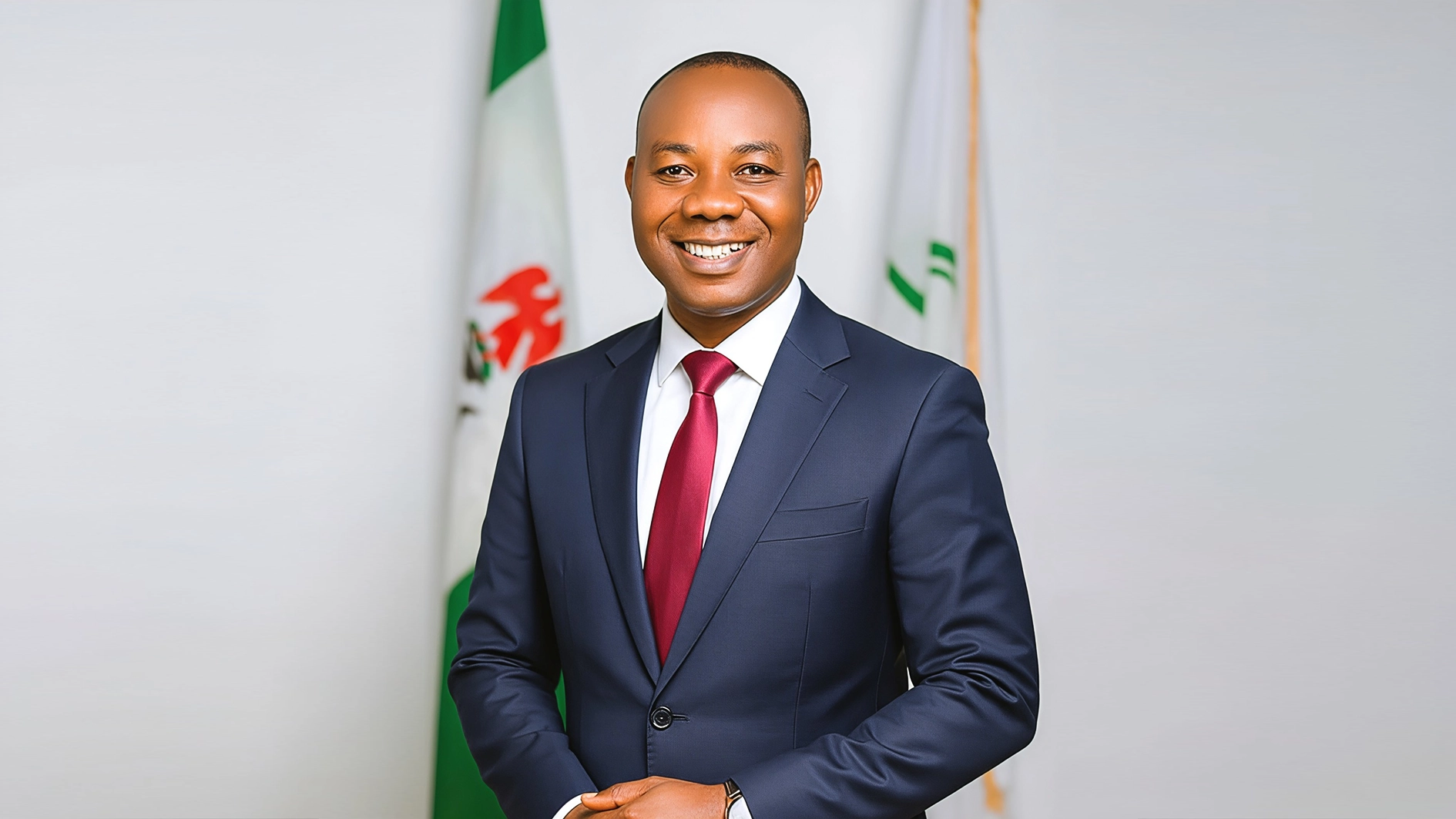
Federal Government has called for a fundamental overhaul of Nigeria’s transportation system, with greater integration of road, rail, waterways, ports and other modes to reduce logistics costs and unlock the country’s economic potential.
The Technical Adviser to the Vice President on Transportation, Logistics and Innovation, Segun Ochuko Obayendo, made the call yesterday at the 2026 Transport Industry Summit organised by the Transportation Correspondents Association of Nigeria (TCAN) in Lagos.
Speaking on the theme, “Unlocking Economic Growth Through Transportation Logistics,” Obayendo said Nigeria’s economic growth was being constrained by structural weaknesses in its transport and logistics system, including fragmented transport modes, delays, multiple checkpoints, insecurity, poor coordination and informality in road transportation.
He said the government’s objective should go beyond constructing individual roads, bridges, rail lines or terminals to building an integrated system in which infrastructure, operators, technology and users are connected.
According to him, countries such as Singapore, Germany and China demonstrate how transportation can be deliberately deployed as an instrument of economic development.
He explained that when cargo remained at ports or terminals for days because of delays, the additional costs incurred by importers were eventually reflected in the prices of goods.

He also raised concerns about multiple checkpoints, informal charges and other costs imposed on freight operators, saying their cumulative effect increased the cost of moving goods across the country.
He said institutional continuity would also be critical to attracting investment into the sector, noting that investors and financiers needed confidence in the institutions and professionals managing transport projects.
Obayendo said the challenge was not necessarily the absence of financing but the shortage of bankable projects and institutional structures capable of efficiently managing available funds.
The Managing Director of the Nigerian Railway Corporation, Dr Kayode Opeifa, represented at the event, said rail had a critical role to play in reducing pressure on highways and lowering logistics costs because of its ability to move large volumes of passengers and bulk freight over long distances.
The National Inland Waterways Authority also called for greater integration of inland waterways into Nigeria’s national logistics network.
Represented by its Lagos Area Manager, the NIWA management said the country’s rivers, creeks and lagoons could support passenger and cargo movement, particularly when connected efficiently to roads, rail and ports.
The Special Adviser to the Governor on Blue Economy, Oluwadamilola Emmanuel, said Lagos was investing in water transportation through initiatives such as the Omi Eko Project, aimed at introducing modern ferries, upgrading terminals and improving connectivity between waterfront communities and economic centres.
The various stakeholders agreed that the efficiency of Nigeria’s transportation system would ultimately depend on the extent to which its different modes could work as a single logistics network.

